

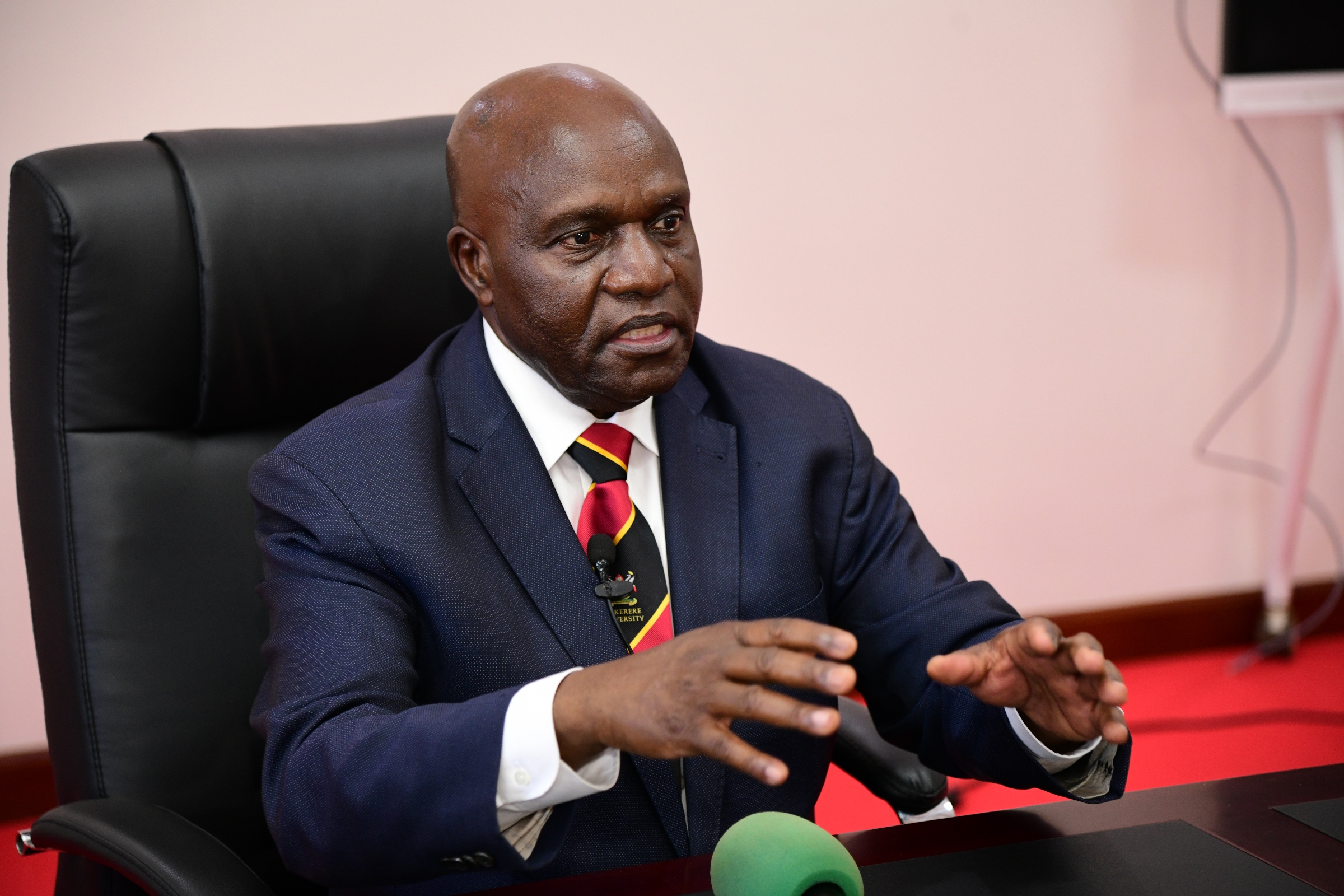
Veteran politician Crispus Kiyonga has made a return to Uganda’s top political leadership after being appointed Second Deputy Prime Minister and Deputy Leader of Government Business in Parliament by President Yoweri Museveni.
The appointment comes after Kiyonga reclaimed the Bukonzo West parliamentary seat in the recently concluded general elections, marking a major political comeback for one of Uganda’s longest-serving statesmen.
Kiyonga is widely regarded as one of the most experienced leaders within the ruling National Resistance Movement, having served in both Parliament and Cabinet for more than four decades.
A trained medical doctor, Kiyonga first entered Parliament in 1980 when he won the Bukonzo West seat under the ticket of the Uganda Patriotic Movement, becoming the only candidate from the party to win a parliamentary seat during that election.
Following the National Resistance Movement’s takeover of power in 1986, Kiyonga became one of the key figures in Museveni’s government, serving in several influential ministries.
He first served briefly as Minister for Cooperatives and Marketing before being appointed Minister of Finance, a position he held from 1986 to 1992.
During his tenure at the Finance Ministry, he was credited with contributing to major economic reforms, including the establishment of the Uganda Revenue Authority aimed at strengthening tax administration and government revenue collection.
After his service at the Finance Ministry, Kiyonga served as Minister of Internal Affairs between 1994 and 1996 before being appointed Minister of Health from 1996 to 2001.
His leadership at the Health Ministry gained international recognition during Uganda’s management of the Ebola outbreak in Gulu in 2000, where the country was praised for its swift response and public health coordination.
Kiyonga later served as Minister without Portfolio in the Office of the President and National Political Commissar before becoming Minister of Defence from 2006 to 2016, making him one of Uganda’s longest-serving defence ministers.
During his tenure at the Defence Ministry, he played a key role in regional security matters and the strengthening of Uganda’s military operations.
In 2016, Kiyonga lost the Bukonzo West parliamentary seat, ending an uninterrupted parliamentary career that had lasted since 1980.
Following the defeat, Museveni appointed him Uganda’s Ambassador to China, where he served as the country’s chief diplomat in Beijing.
He later became Chancellor of Makerere University, Uganda’s oldest and largest public university.
Political analysts view his latest appointment as a sign of renewed confidence in his experience, administrative ability, and long-standing loyalty to the ruling party.
They say his return to Cabinet could strengthen government coordination in Parliament while bringing seasoned leadership back into the executive at a time when Uganda is focusing on economic transformation, infrastructure development, and service delivery.
Leaders in Kasese District and across the Rwenzori sub-region have welcomed the appointment, describing it as recognition of Kiyonga’s decades of national service and a proud moment for the region.
