

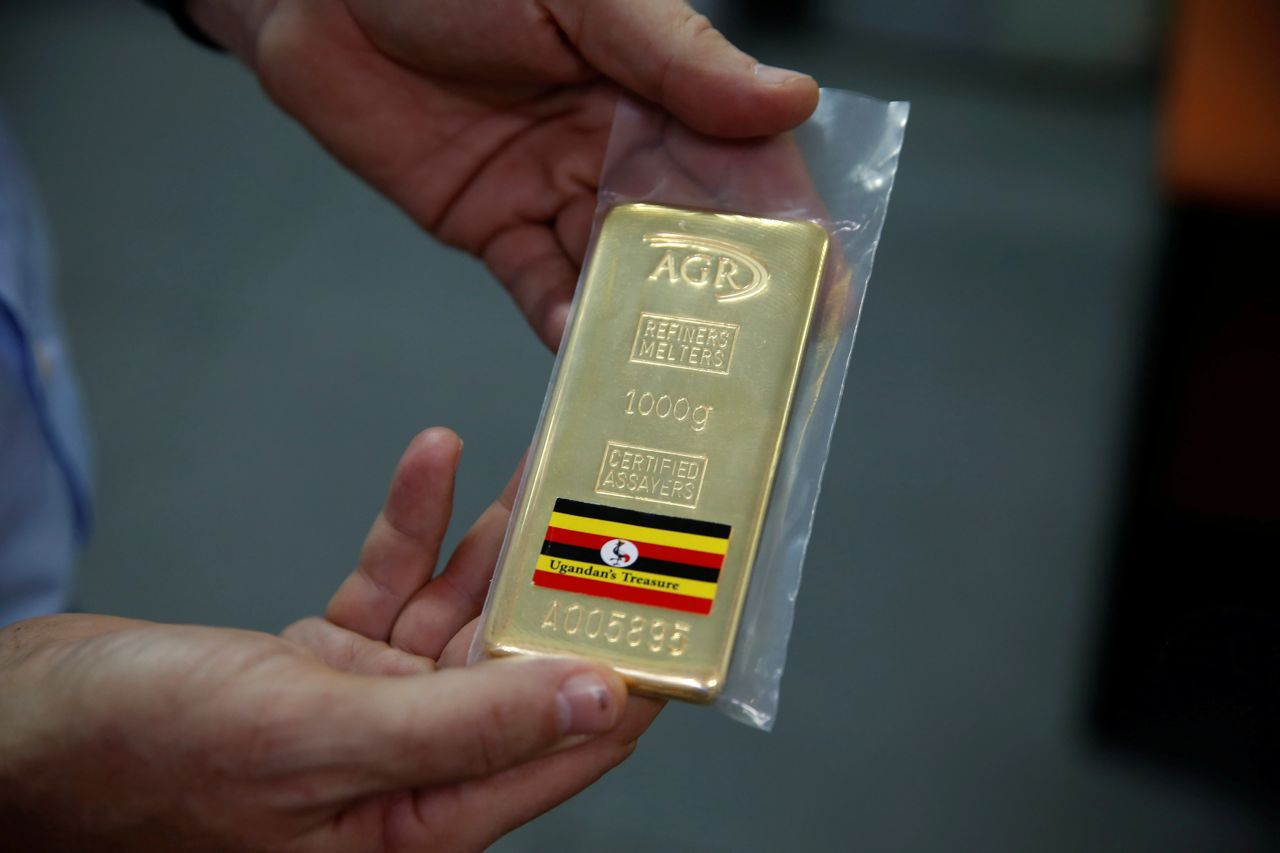
Uganda’s gold export industry is experiencing a major surge, with export earnings from refined gold now exceeding $5 billion (Shs18.5 trillion), according to the Bank of Uganda.
The growth has been driven largely by increased domestic refining capacity and liberalized capital account policies that have enabled smoother movement of investment and trade flows within the mineral sector.
Officials at the central bank say the country’s shift toward value addition has transformed Uganda into an emerging regional gold refining hub, allowing exporters to ship refined bullion instead of raw minerals.
“Value addition has changed the game,” a senior Bank of Uganda official said. “Uganda is no longer merely a transit point for raw gold. The country is now refining gold locally, and that has greatly increased export earnings.”
The sharp rise in export revenues comes at a time of soaring global gold prices and increased international demand for refined bullion. Uganda’s refiners have also benefited from expanded regional supply chains, with gold sourced both locally and from neighboring countries before being processed and exported.
Economists, however, say the country is still failing to fully benefit from the booming sector due to widespread informality and weak oversight across parts of the gold trade.
According to analysts, a significant share of gold transactions still takes place outside formal tax and regulatory systems, limiting government revenue collections and weakening traceability.
Fred Muhumuza said Uganda could earn substantially more from the sector if the trade was fully commercialized and formalized.
“The numbers are impressive, but the country could earn far more if the sector was fully commercialized and formalized,” Muhumuza said. “There are still too many informal transactions, undocumented flows, and gaps in traceability.”
Experts argue that formalizing artisanal miners, improving licensing systems, and strengthening export monitoring mechanisms would enhance transparency, improve investor confidence, and increase tax revenues.
Analysts also believe Uganda has an opportunity to establish itself as a credible international gold refining and trading center if governance and compliance gaps are addressed effectively.
In recent years, the government has intensified efforts to regulate the mining industry through revised mineral laws and licensing reforms aimed at increasing accountability and boosting state earnings from the extractives sector.
Industry players say stronger oversight, investment in modern mining infrastructure, and improved compliance systems could position gold as one of Uganda’s most important long-term sources of foreign exchange.
With global demand for gold expected to remain strong, policymakers are now under pressure to ensure the ongoing export boom translates into wider economic benefits, including job creation, industrial growth, and sustainable national development.
