


Uganda’s economic outlook has come under fresh scrutiny after the Bank of Uganda (BoU) warned that the proposed Protection of Sovereignty Bill, 2026 could trigger exchange rate instability, weaken the shilling, and reignite inflationary pressures if enacted in its current form.
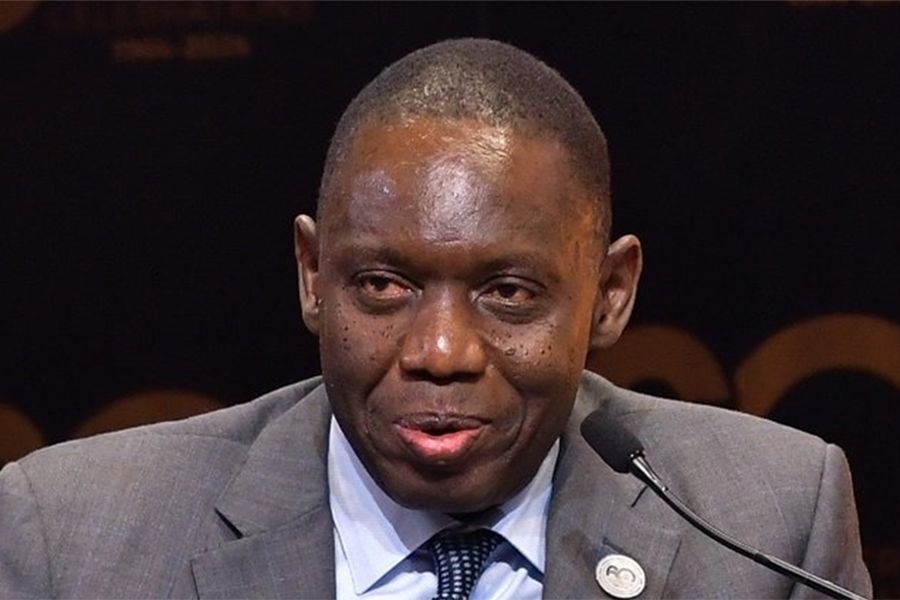
Appearing before the Joint Committee on Defence and Internal Affairs and Legal and Parliamentary Affairs of Parliament, BoU Governor Michael Atingi-Ego said the country’s recent macroeconomic stability could be undermined by unintended consequences of the Bill, particularly on capital inflows and foreign exchange reserves.
“True national sovereignty is built on economic strength and financial independence. While the goal of protecting national interests is legitimate, the Protection of Sovereignty Bill, 2026, as currently drafted, risks reversing three decades of successful financial development through liberalisation that has sustained economic growth,” Atingi-Ego said.
He warned that any disruption to foreign inflows could weaken Uganda’s balance of payments position and pressure the local currency.
“Because of the depreciation of the currency that is likely to occur as an unintended consequence of this Bill, we are likely to have a depreciated currency and the pass-through of imported items into domestic prices is going to raise prices significantly,” he said, noting that inflation could rise above the central bank’s 5% target.
The BoU Governor further cautioned that Uganda’s foreign reserves—currently estimated at around USD 6 billion—could come under strain if investor confidence declines.
He said the country’s balance of payments surplus of about $1.5 billion in the last financial year has been key in stabilising the shilling.
“The moment you tamper with these inflows, we risk running down our reserves, and that is economic disaster for a country,” he added.
The warning comes at a time when the Shilling has shown mixed but generally resilient performance against major currencies, supported by seasonal inflows from exports, remittances, and development financing.
As of recent trading trends, the shilling has hovered in the range of about Shs3,650–3,850 per US Dollar, reflecting relative stability compared to earlier years when sharper depreciation episodes were recorded.
Against the British pound, the currency has traded around Shs4,600–4,900, while the euro has remained near Shs3,900–4,200 depending on market conditions.
Regionally, the shilling has maintained moderate stability against the Kenyan Shilling, trading roughly around 1 KES = Shs28–30, and against the Rwandan franc, where it has remained broadly steady due to closely linked cross-border trade dynamics.
However, economists caution that this stability remains fragile and heavily dependent on sustained foreign exchange inflows.
Uganda’s inflation has recently been contained within the central bank’s medium-term target of around 3–5%, supported by tight monetary policy and stable food prices.
However, BoU warns that a sustained depreciation of the shilling could reverse these gains.
Currency weakness typically raises the cost of imported goods such as fuel, machinery, medicines, and industrial inputs.
This “imported inflation” effect could push up production costs across manufacturing, transport, and services sectors.
Over the long term, economists warn that a weaker shilling could erode household purchasing power, increase debt servicing costs for foreign-denominated loans, and reduce investor appetite for Ugandan assets.
BoU stressed that maintaining investor confidence is critical to sustaining Uganda’s economic transformation agenda, including the ambition to reach a $500 billion economy.
The debate now places Parliament at the centre of balancing sovereignty-driven legislative goals with macroeconomic stability considerations.
While proponents of the Bill argue for stronger national control frameworks, the central bank is urging technical revisions to avoid destabilising financial systems built over decades of liberalisation.
As discussions continue, markets are expected to closely watch signals from both Parliament and BoU, with currency traders particularly sensitive to any indication of reduced foreign inflows or policy uncertainty.
For now, BoU’s message is clear: economic stability—and the strength of the shilling—remains a cornerstone of Uganda’s sovereignty itself.
