

The government’s plan to borrow approximately Shs11.97 trillion in the next financial year has triggered renewed debate over whether heavy domestic borrowing could strain private sector access to credit and slow economic growth.
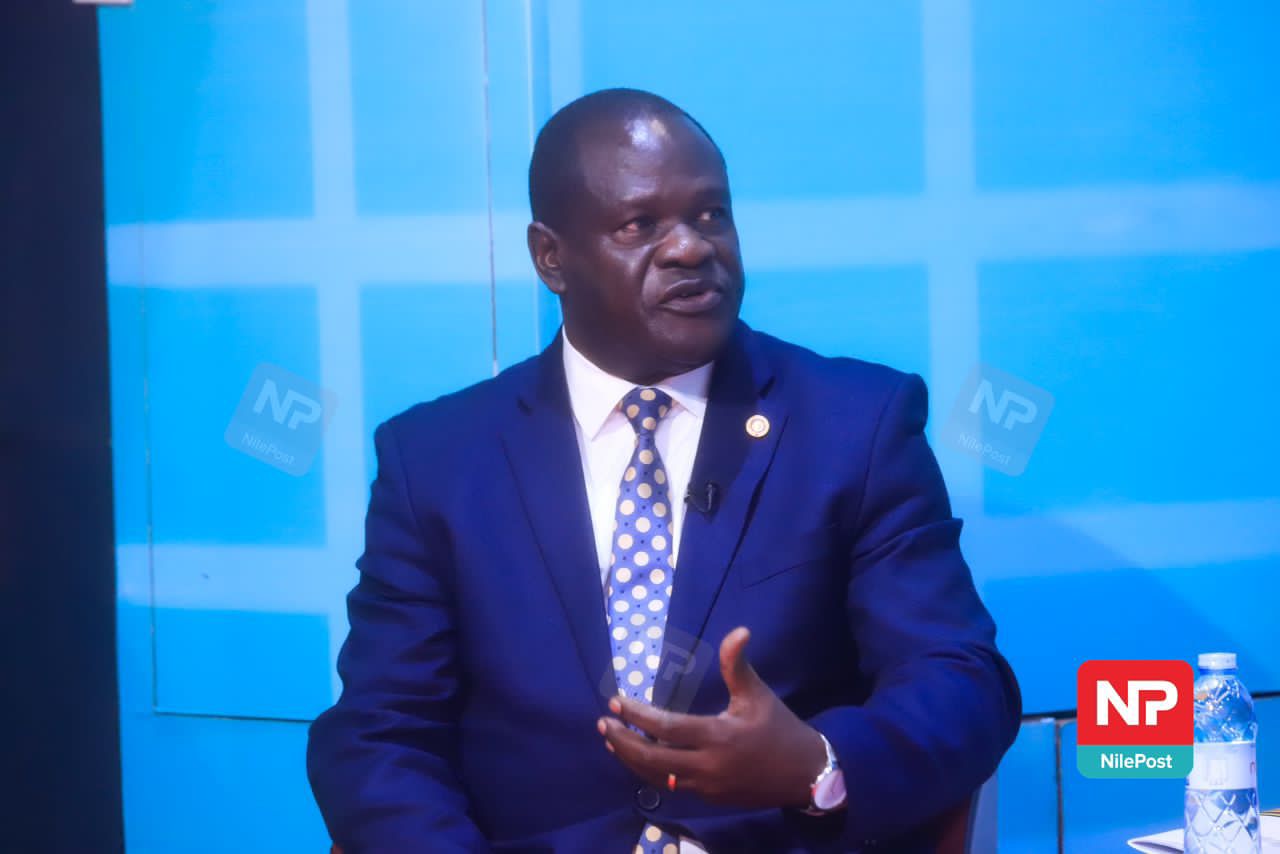
Deputy Permanent Secretary to the Treasury Patrick Ocailap defended the borrowing strategy, arguing that it is directed toward productive investments that will ultimately stimulate rather than suppress private sector activity.
Ocailap said government borrowing is focused on infrastructure development, including roads, energy systems, and connectivity, which he believes will expand economic opportunities.
“The government’s borrowing is targeted at productive investments such as infrastructure. When we build roads, energy systems, and connectivity, we are actually enabling private sector growth. In that sense, government spending can crowd in private investment rather than crowd it out,” he said.
His argument is based on the economic concept of “crowding in,” where public investment creates conditions that encourage private sector expansion rather than competing with it.
However, economists disagree, warning that increased domestic borrowing intensifies competition for available credit, pushing up interest rates and making borrowing more expensive for businesses.
They argue that Uganda’s growing reliance on internal financing is already reflected in its debt structure, with about 54 percent of public debt now sourced domestically—equivalent to roughly 13 percent of GDP.
This shift, they say, has contributed to a high-cost credit environment, with government borrowing rates hovering around 14 percent. As a result, commercial lending rates remain elevated, limiting access to affordable financing for businesses, particularly small and medium enterprises.
Economists further caution that such conditions risk “crowding out” private investment, as banks prefer lending to government securities over riskier private sector projects.
They also point to structural reasons behind the government’s preference for domestic borrowing. While multilateral financing often comes with conditions such as fiscal reforms, transparency requirements, and policy adjustments, domestic borrowing offers faster access to funds with fewer external constraints.
However, analysts warn that this short-term flexibility may come at a long-term cost if it continues to tighten liquidity in the financial system.
As the government advances its domestic borrowing programme, the key policy question remains unresolved: whether sustained public investment can drive economic growth without constraining private sector expansion.
While the Treasury maintains that infrastructure spending will unlock growth opportunities, economists argue that rising borrowing pressures could dampen business activity by increasing the cost and scarcity of credit.
