

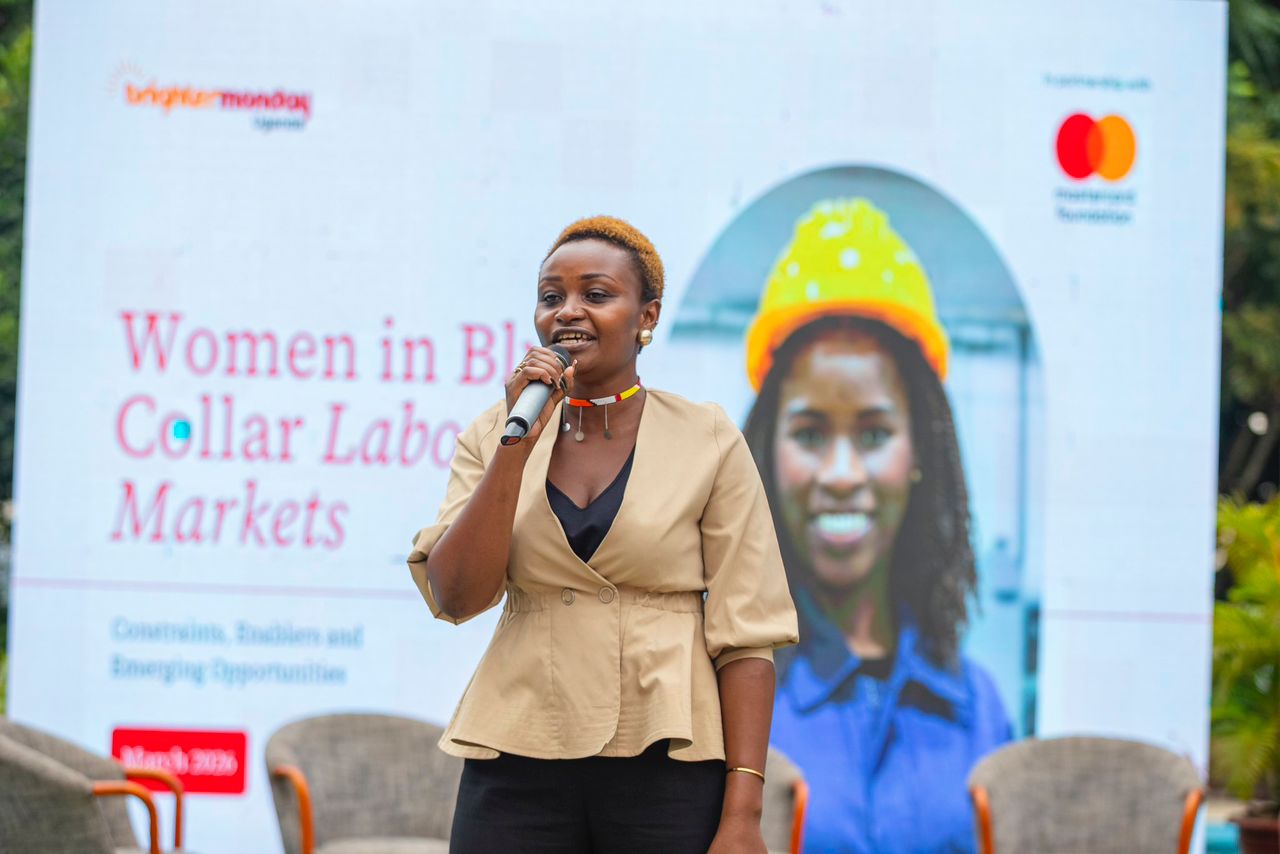
A new study by BrighterMonday Uganda has highlighted deep-rooted barriers preventing many Ugandan women from fully participating and advancing in blue-collar labour markets.
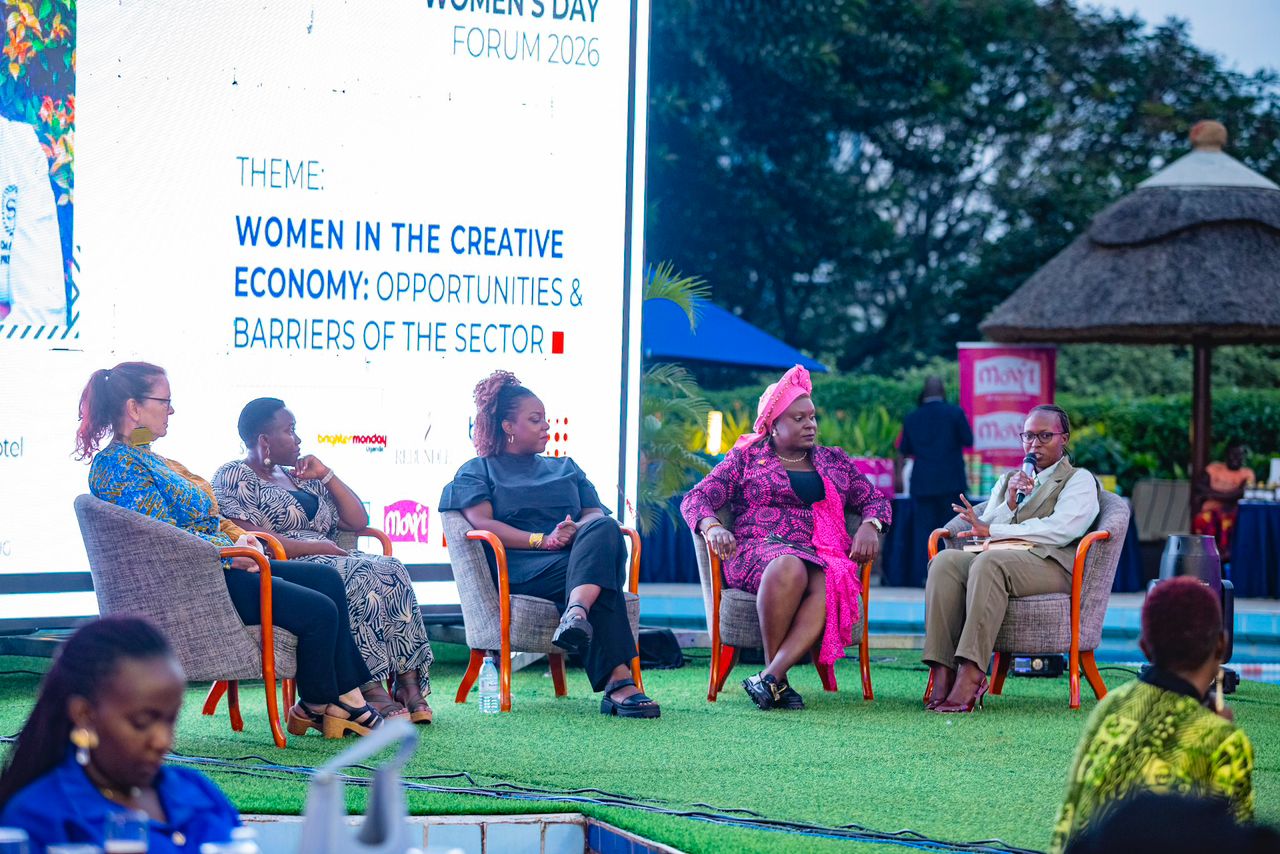
The report, “Women in Blue Collar Labour Markets,” was unveiled during an Annual Women’s Day event organised by the American Chamber of Commerce Uganda at the Sheraton Kampala Hotel on Thursday.
The event held under the theme: “Women in the Creative Economy: Opportunities & Barriers of the Sector" drew women from various organizations, government
While the study found that women’s participation in sectors such as construction, manufacturing, electrical installation and agro-processing is increasing, it revealed persistent structural challenges that continue to limit their entry, growth and leadership within these fields.
According to the findings, 28% of women cited entrenched gender norms and occupational segregation as the biggest barrier to entering blue-collar trades traditionally dominated by men.
Many respondents reported facing skepticism from male colleagues who often question their ability to perform technical work.
The report notes that discriminatory attitudes, gender-based task allocation and cultural stereotyping remain common in workplaces, especially in informal employment settings.
The study also identified limited access to technical training and apprenticeships as another major obstacle, with 16 percent of respondents indicating that women often struggle to access the skills development opportunities necessary to enter technical trades.
For women with little or no formal education, entry into the sector often happens through informal daily wage arrangements, which usually lack contracts, labour protections and stable income.
These women also face weak bargaining power and limited ability to negotiate better working conditions.
Even for women who possess vocational or secondary education, financial limitations remain a major hurdle.
The report found that many technically skilled women are unable to translate their knowledge into employment or business opportunities due to limited access to capital, tools and enterprise financing.
As a result, many remain dependent on employers rather than establishing independent businesses.
Workplace safety and inclusivity were also flagged as key concerns, with 13% of respondents reporting unsafe or non-inclusive working environments.
Nearly 46%of women said they had experienced negative cultural attitudes from male colleagues, while others reported discrimination, harassment and unequal pay.
These challenges are particularly pronounced in informal workplaces where labour protections and reporting mechanisms are weak.
For women aged between 25 and 35 years, the report found that social expectations related to marriage, childcare and household responsibilities significantly affect their ability to sustain employment in blue-collar trades.
These responsibilities often limit working hours and reduce opportunities for career advancement.
The study also found that women in blue-collar sectors struggle to climb into supervisory or leadership roles.
Although many expressed strong ambitions to grow professionally, the lack of mentorship, structured career pathways and financial resources continues to restrict upward mobility.
The report calls for stronger partnerships between training institutions and employers, improved workplace inclusion policies, and expanded access to tool financing and equipment support.
It also recommends the introduction of mentorship programmes, better labour protections and increased access to technical training to help women overcome systemic barriers and thrive in Uganda’s blue-collar economy.
Speaking at the event, the CEO of BrighterMonday Uganda Xenia Wachira said the organization is focused on addressing unemployment by connecting young people—especially women—to job opportunities.
Wachira explained that the organization has recently prioritized placing young people in jobs, with women taking up the majority of the opportunities.
“Brighter Monday is a career development and placement partner, and what we do is solve the employment problem in Uganda. Over the last one year, we have been very deliberate about placing young people in jobs, with about 70 percent of them being women,” she said.
“Today we are presenting findings from a comprehensive study we conducted over the last six months. The report looks at women in the blue-collar and creative spaces—examining the opportunities available to them, the challenges they face, and the enablers that support their participation. This research will guide the initiatives we take forward.”
Meanwhile, Eve Zalwango, the General Manager of the American Chamber of Commerce Uganda, emphasized the need for women creatives to position themselves better to attract investment.
“Women creatives must formalize their businesses, protect their intellectual property, show consistent revenue streams, build strong brands, document their finances, design their businesses for scale, and target the right investors,” Zalwango said.
She noted that Uganda’s creative sector holds significant potential if women entrepreneurs are supported with the right networks and financing opportunities.
“Collaborations will enhance opportunities through creative investor roundtables, women’s creative accelerator programs, intellectual property and branding training, building export-ready creative brands, and engaging investors who apply a gender lens in their funding,” she added.
Lagrima Kelub Byamugisha, also speaking on behalf of the American Chamber of Commerce Uganda, encouraged young women to boldly pursue their ideas and creative ambitions.
“To every young girl watching or listening today: your voice matters. Your ideas matter. Your creativity matters. Do not be afraid to dream boldly, to speak confidently, and to pursue the path that excites your heart,” she said.
