

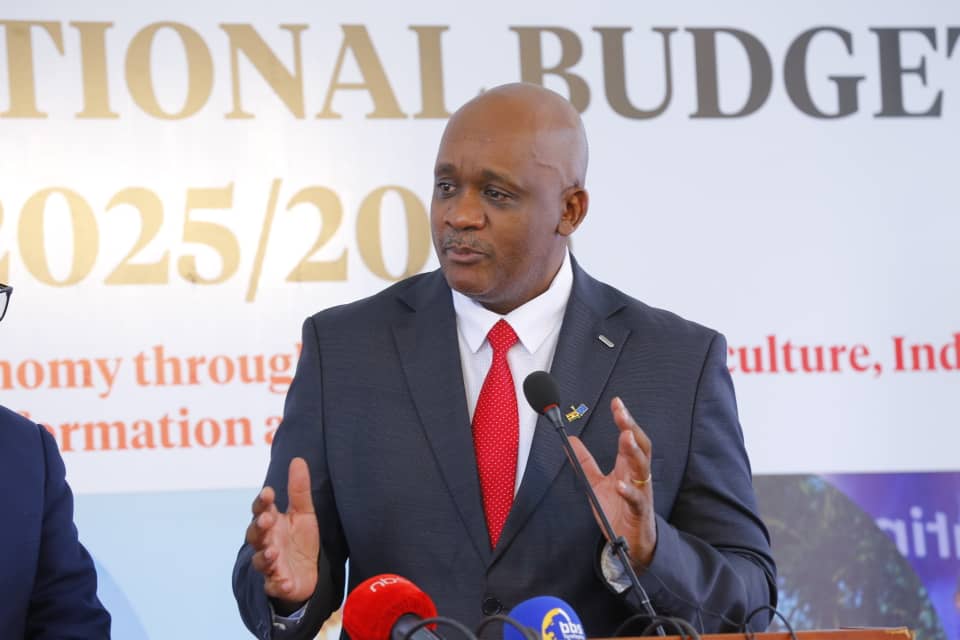
Despite allocating billions to pro-poor initiatives, Uganda’s FY2025/26 national budget faces questions over regional disparities, execution efficiency, and program impact.
Uganda’s national budget for the Financial Year 2025/26, amounting to UGX 72.376 trillion, signals a cautious push towards poverty reduction, economic resilience, and human capital development. But with a modest growth of just 0.3% from the previous year, the budget reflects the tightrope walk the government must perform to finance development while addressing debt obligations and service delivery gaps.
According to budget documents from the Ministry of Finance and a post-budget analysis by the Civil Society Budget Advocacy Group (CSBAG), domestic financing will account for 81.5% of the budget—about UGX 58.96 trillion—while the remaining 18.5% will come from external sources, including grants and project loans.
A significant chunk—UGX 26.84 trillion, or 37.1% of the budget—is earmarked for debt servicing. This prioritization underscores the burden of public debt even as the government attempts to invest in high-impact sectors such as education, infrastructure, and social protection.
The top expenditure categories include human capital development (UGX 11.44 trillion), governance and security (UGX 9.9 trillion), and transport infrastructure (UGX 6.38 trillion). The government also allocated UGX 2.7 trillion to private sector development, UGX 1.86 trillion to agro-industrialization, and UGX 1.03 trillion to sustainable energy. Smaller but critical envelopes target digital transformation (UGX 381.75 billion) and social programs like the Parish Development Model (PDM), Emyooga SACCOs, and youth and women’s empowerment initiatives.
Poverty: A Mixed Record
Uganda has reduced its national poverty rate from 31% in 2005/06 to 16.1% in 2023/24, thanks to targeted interventions and economic growth. Yet over seven million Ugandans still live below the international poverty line of $1 per day. Rural areas continue to bear the brunt—accounting for 75.7% of the poor—with Karamoja standing out at an alarming poverty rate of 74.2%, in stark contrast to Kampala’s 1.1%.
The government aims to transition more households from subsistence farming into the “money economy,” where incomes are earned through business or wage employment. Currently, 66.9% of households are in the money economy, while 33.1% remain in subsistence.
Big Promises, Limited Reach
The budget sets aside UGX 1.059 trillion for the PDM and UGX 100 billion for Emyooga SACCOs, along with over UGX 44 billion for youth, women, older persons, and persons with disabilities. However, data shows only 23.5% of subsistence households benefited from the PDM in the past year, raising doubts about reach and effectiveness.
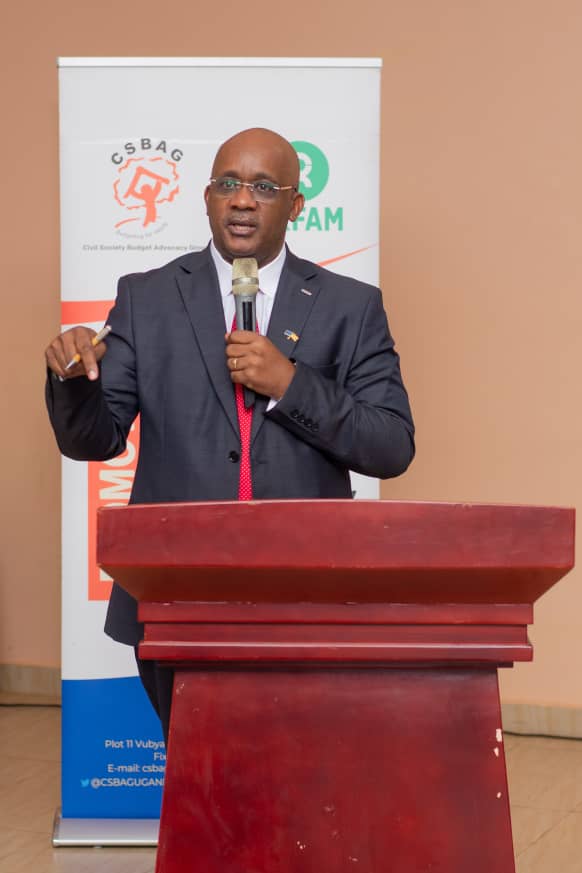
“These are well-designed interventions on paper, but weak implementation and limited follow-through continue to blunt their impact,” said a CSBAG analyst during a post-budget forum in Kampala.
Execution Gaps and Rising Supplementaries
In FY2023/24, budget execution underperformed by 3%, with UGX 1.49 trillion in released funds going unused. The government’s increasing reliance on supplementary budgets—rising from UGX 3.25 trillion in FY2019/20 to UGX 8.93 trillion in FY2023/24—has sparked concern among civil society actors about fiscal discipline and planning predictability.
A Bold Vision, But Questions Remain
The Permanent Secretary to the Treasury has outlined a transformative long-term ambition: to expand Uganda’s economy tenfold to USD 500 billion by FY2039/40, lifting per capita GDP to USD 7,000. Achieving this will depend on improving budget efficiency, ensuring that poverty alleviation programs reach their targets, and addressing entrenched regional inequalities.
Analysts recommend stronger oversight of pro-poor interventions, improved absorption of public funds, and renewed focus on delivering services where they are most needed. Public-private partnerships and smarter borrowing for productive investments will also be key to sustaining progress without escalating the debt burden.
Uganda’s FY2025/26 budget presents both an opportunity and a test. The resources have been allocated—but the real challenge lies in implementation, equity, and accountability.
