

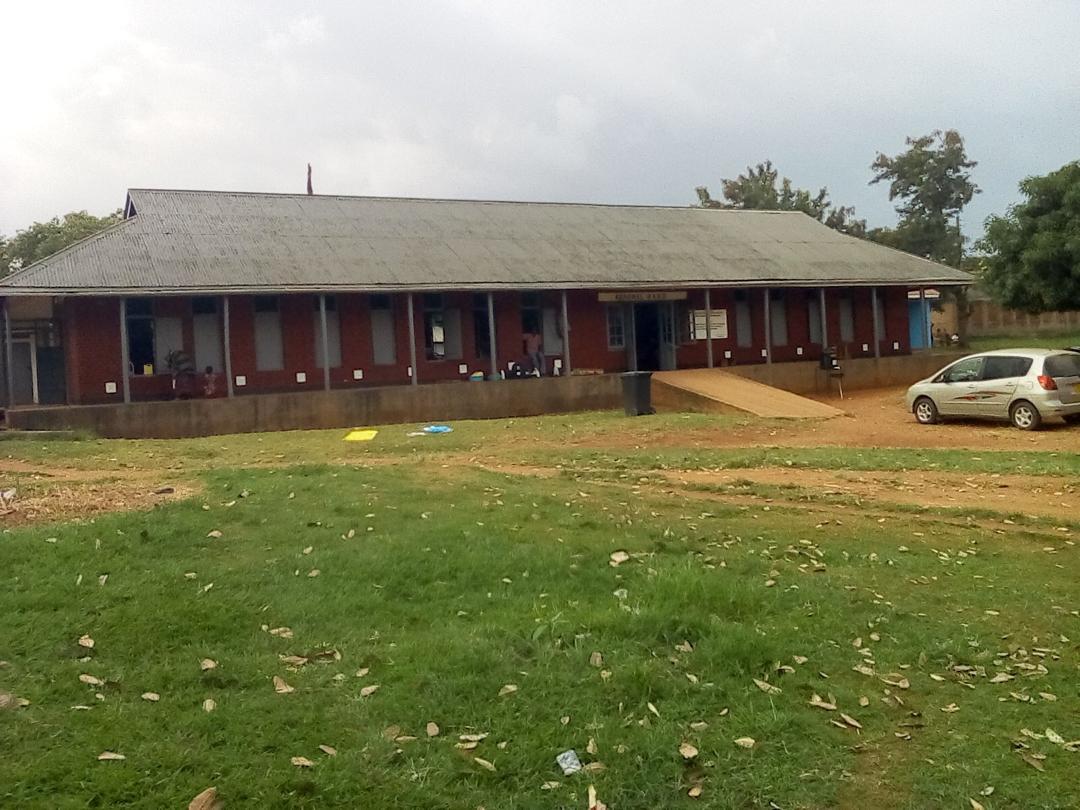
In the quiet villages of Budaka, the promise of quality healthcare is being threatened not only by medicine shortages and underfunding but by a more fundamental challenge – a lack of housing for health workers.
At most health facilities across the district, the few available staff quarters are overcrowded, forcing some health workers to either rent privately or travel long distances to reach their duty stations.
“We cannot realize the vision of having a healthy and productive population that contributes to economic growth and national development when some of these challenges are not addressed,” said Elisa Mulwani, the District Health Officer (DHO).
Budaka District has a projected population of 291,391 people. However, the shortage of staff accommodation is severe, with most health facilities able to house only two critical staff members. The health sector staffing level currently stands at 26% under the new staffing structure, compared to 78% under the previous structure.
The status of staff accommodation across health facilities is dire. Some health centers have as few as one or two units: Iki-Iki Health Center III has only two units, Lyama Health Center III has one, and Naboa Health Center III has two. Several sub-counties, including Tademerii, Kamonkoli, Kakoli, Iki-Iki, Kachomo, and Kabuna, have no staff accommodation at all.
The shortage of housing has far-reaching consequences. Health facilities struggle to operate 24-hour services, leaving patients unattended during nights and weekends. This has led to delays in maternal care, increased patient referrals, and preventable deaths.
“The severe shortage of staff accommodation continues to undermine service delivery and morale among health workers,” said Emmanuel Pajje, Budaka District Chairman.
The Ministry of Health acknowledges a national shortage of health staff housing, with rural areas being particularly affected. However, progress in addressing the problem has been slow due to limited budgets.
Shaban Kabise, Budaka District Planner, explained that the FY 2026/27 budget marks the second year of implementing the National Development Plan IV (NDPIV) and the fourth District Local Government Development Plan. This plan is the first to deliver the Tenfold Growth Strategy and the final plan to deliver the United Nations Sustainable Development Goals (SDGs) Agenda 2030.
According to the first budget call circular issued on September 15, 2025, Budaka District’s resource envelope under the Medium-Term Expenditure Framework (MTEF) was Shs 34,782,303,322, broken down as Shs 22,283,431,955 for wage expenditure and Shs 2,203,191,224 for development.
The total envelope has since been increased to Shs 37,087,364,877 through locally raised revenues, transfers from central government, and external financing.
While the additional resources provide hope, district leaders emphasize that targeted investment in staff housing is critical to improving healthcare delivery and ensuring the well-being of both health workers and the communities they serve.
