

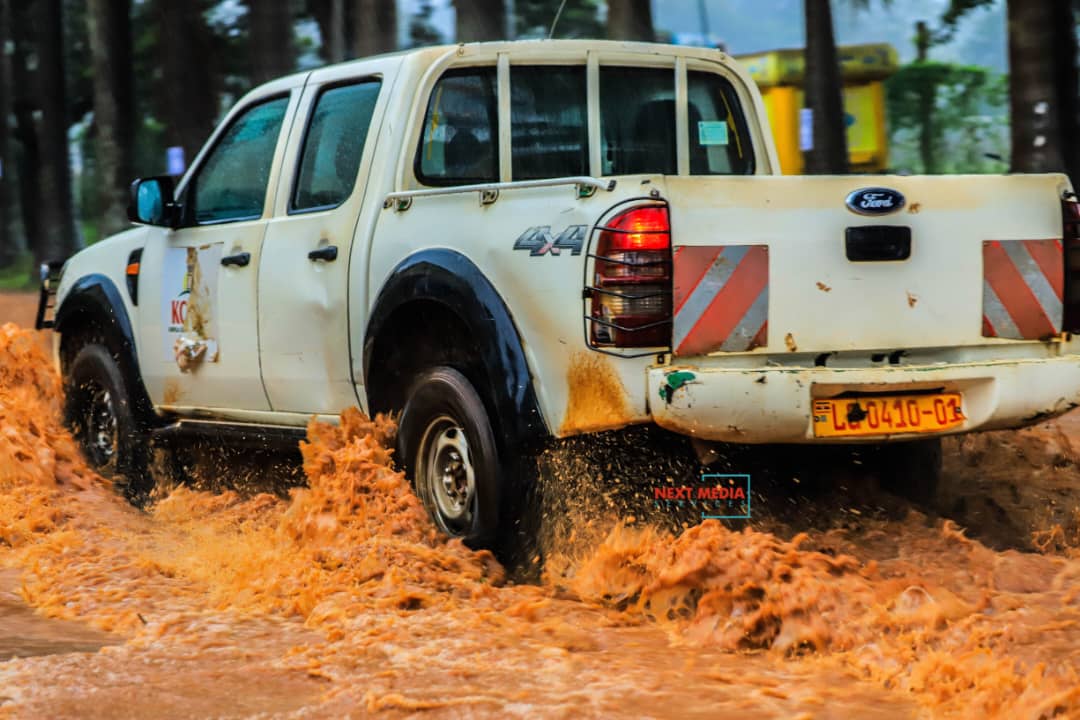
Engine Damage
The damage you can cause to a car’s engine by driving through flood water is nothing to scoff at. If the floodwaters are deep enough, your engine may end up ‘hydro locking,’ which, in layman’s terms, translates to “stalling” and “costly damage.” When hydro locking occurs, water enters the engine cylinders via the air intake system, causing the pistons to freeze which results in stalling of the vehicle. In many cases, the damage caused by hydro locking is irreversible.
Transmission Damage
While some transmissions are more resistant to water than others, none are designed to be submerged in water. When driving your car through a flash flood, water can easily flow over the transmission and into the vent. Once water gets in, it dissolves the transmission’s linings and the lubricant begins to fail, resulting in total failure of the transmission. Water can also damage your car’s transmission by causing the gears to slip.
Brake & Rotor Damage
Did you know that your car’s rotors and brake pads can reach temperatures as high as 392 degrees Fahrenheit during normal use? It makes sense when you consider the amount of friction needed to stop a two-ton vehicle. But have you considered the damage you can cause to brakes and rotors when they are submerged in water after getting that hot? This can actually cause your rotors to warp, resulting in vibrating and potentially unpleasant sounds when you apply the brakes while driving.
Issues With Suspension
Most newer cars have their suspension joints lubricated for life at the factory during assembly but driving through deep water can flush out the lubricant and cause premature rusting. Your suspension joints may end up failing a year or later after driving through the water during a flood, and you’d probably just chalk it up to standard wear and tear.
But there’s a good chance that driving during a flood was the direct cause.
Electrical Issues
New cars these days are practically giant, mobile computers — from brakes and transmissions to heated seats and air-conditioning, modern-day vehicles are increasingly relying on advanced sensors and computer systems to provide a safe and comfortable driving experience.
So, it should go without saying that you risk damaging many of those electrical components when driving a car in floodwaters. Depending on how deep a car is submerged in water, and for how long, any of the following parts can malfunction or sustain some level of damage:
- Electrical Control Unit
- Headlights, brake lights, blinkers, etc.
- Power Window Controls
- Air Conditioning System
- Windshield wipers
- Power Door Locks
- Sunroof Controls
- Power Seat Controls
In addition to the items listed above, you also run the risk of corroding your car’s battery terminals when you drive through deep water, which can result in difficulty starting the vehicle.
Nelson Xavier Ssenyange
Team Leader
Germax Autos, Spares & Garage Ltd
Lukade Road, Naalya
0779250886/0752088734
