

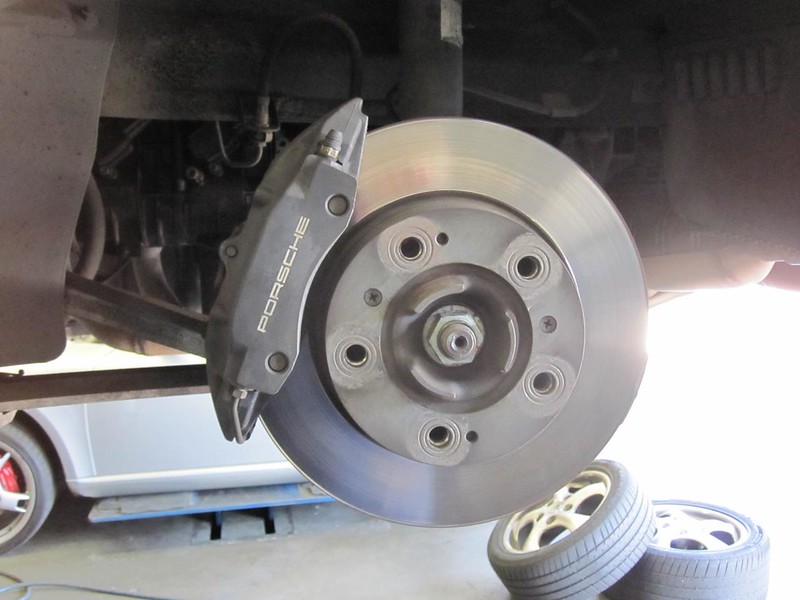
Have you ever taken a close look at your car’s brake rotors? Brake rotors play a crucial role in your car’s braking system and knowing more about them is important. But what exactly are rotors on a car? Let’s take a closer look at them, what they are, where they’re located, how they work and when they need replacing.
What are rotors on a car?
Brake rotors are circular flat discs, usually made of metal such as steel, stainless steel, or alloy, that attach to each wheel. When you need to stop, the friction between the brake pads and rotors slows down your car. If you remove your wheel to change a flat tyre, the disk you see exposed in the wheel well is the rotor. They were first mass-produced by Citroen beginning in 1955.
How do brake rotors work?
The brake rotor converts kinetic energy into heat through the friction caused by slowing or stopping motion. When you step on your brake pedal in your car, this sends hydraulic pressure throughout your braking system. The hydraulic pressure moves pistons that push the brake pads against the surface of the rotating disc, causing friction and slowing or stopping motion.
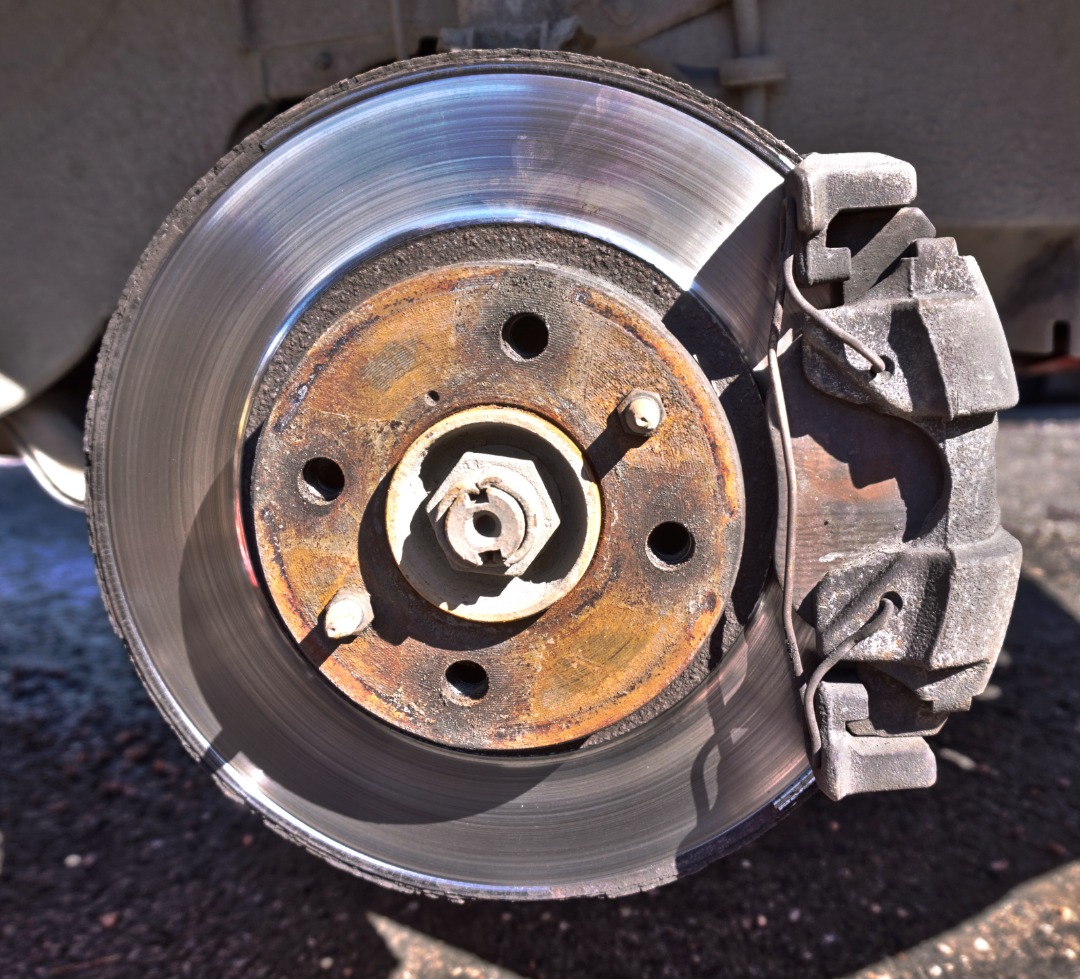
Type of brake rotors
The four main types of rotors are smooth and blank, slotted, drilled, and slotted and drilled. Each has their advantages and disadvantages.
Smooth & blank
Smooth and blank rotors have no holes or slots cut into them. These come stock on most sedans and many other cars. Still, some heavy-duty trucks need more ventilation to release heat from the brake system to prevent overheating. Vehicles that do not require this extra ventilation typically come equipped with these types of rotors.
Slotted
Slotted rotors have slots around the outside circumference of the rotor. The slots are present to release hot gasses generated during heavy braking to prevent brake fade when brakes can no longer bring a vehicle to a complete stop. These rotors also have directional vanes that increase braking performance in wet weather by creating channels for water on the rotor surface.
Drilled
Drilled rotors are like slotted rotors but have holes drilled around each slot. These holes are deeper than those found on slotted rotors and allow even more heat to be released from the brake system under heavy or prolonged braking situations. This helps prevent brake fade under the same conditions that slotted rotors avoid.
Slotted & drilled
Slotted and drilled rotors combine all the advantages of both types. They have directional vanes like those found on slotted rotors and deeper slots with holes drilled around them like those found on drilled rotors. These types of rotors generally work best for heavy-duty trucks or higher-performance vehicles because they prevent overheating in extreme conditions.
How often should you replace brake rotors?
The general rule for replacement is every 50,000km. However, this number heavily depends on driver behaviour, weather conditions and driving style.Brake rotor replacement is usually needed when it reaches the end of its service life. Look for grooves, cracks, and signs of excessive wear in the rotor’s material. In some extreme cases, brake rotors may show signs of severe damage after only 15,000 to 30,000 kms. Your rotors’ lifespan comes down to driving style and how often you use the brakes while the car is moving. For example, there will be a lot of friction between brake pads and rotor surfaces during repeated severe braking. This friction can overheat the rotor and warp it.
Regardless of what has led to the repair, brake rotor replacement is a maintenance item that you must regularly perform for safe vehicle operation, it’s not a one-time service. As always, you should consult your owner’s manual or the car manufacturer for more info on the brake system and its replacement interval. Your mileage may vary. Worn-out brake rotors will also affect several other safety features of your car, such as:
ABS or Anti-lock Braking System
Stability Control
Traction Control Systems
All of these rely on sensors mounted inside the wheel hubs. These sensors send traction and braking force data to the car’s ECU to control brake pressure and steering angle. Unfortunately, these systems may not work correctly under heavy braking conditions if this data is incorrect. All these problems can come down to worn brake rotors.
Nelson Xavier Ssenyange
Team Leader
Germax Auto Spares & Garage
Lukade Road, Naalya
0779250886/0752088734
