

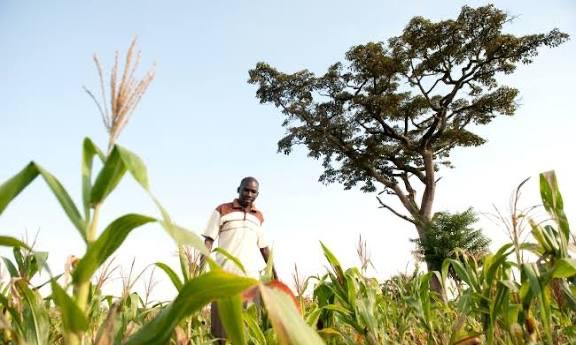
Farmers in Masindi District, particularly in Pakanyi sub-county, Buruli County, have been urged to embrace alternative crops to reduce losses from striga weed, a parasitic plant that has increasingly attacked maize crops.
The appeal was made during a stakeholder engagement at Gukwatamanzi Farmers’ Cooperative Society headquarters, bringing together actors from across the agricultural value chain, including finance, fertilizer production, and environmental sectors.
Tadeo Wabyoona, manager at Gukwatamanzi Farmers’ Cooperative Society, explained that maize farmers have suffered heavy losses due to the infestation.
“Maize has been profitable for many years, but the invasion of striga weed is forcing farmers to abandon it,” said Kanaginagi Melkizedeki Ateenyi, a cooperative member.
He noted that farmers are now being encouraged to diversify into crops that are less susceptible to the weed.
Rutindo, another stakeholder, warned that if the spread of striga is not controlled, the region could face famine, threatening families’ livelihoods and overall food security.
Francis Byamukama, programs manager at the cooperative, highlighted that partnerships between maize and soya bean farmers can help reduce losses while maintaining productivity.
Olivia Kiiza, a soya bean farmer and vice chairperson of SOFACO, noted that soya bean cultivation offers multiple economic benefits and urged farmers to embrace it.
The Masindi District Agricultural Officer, Job Byaruhanga, confirmed that poor farming practices have contributed to the proliferation of striga weed, significantly reducing maize productivity.
He added that some farmers have already shifted to alternative crops as a survival strategy.
Byaruhanga said the district has implemented several interventions, including farmer sensitization programs, and advised farmers to regularly monitor their fields to identify and uproot striga at an early stage.
To further address the problem, the Ministry of Agriculture is conducting research and plant breeding initiatives to develop crop varieties resistant to parasitic weeds, including striga, providing a long-term solution to the challenge.
