

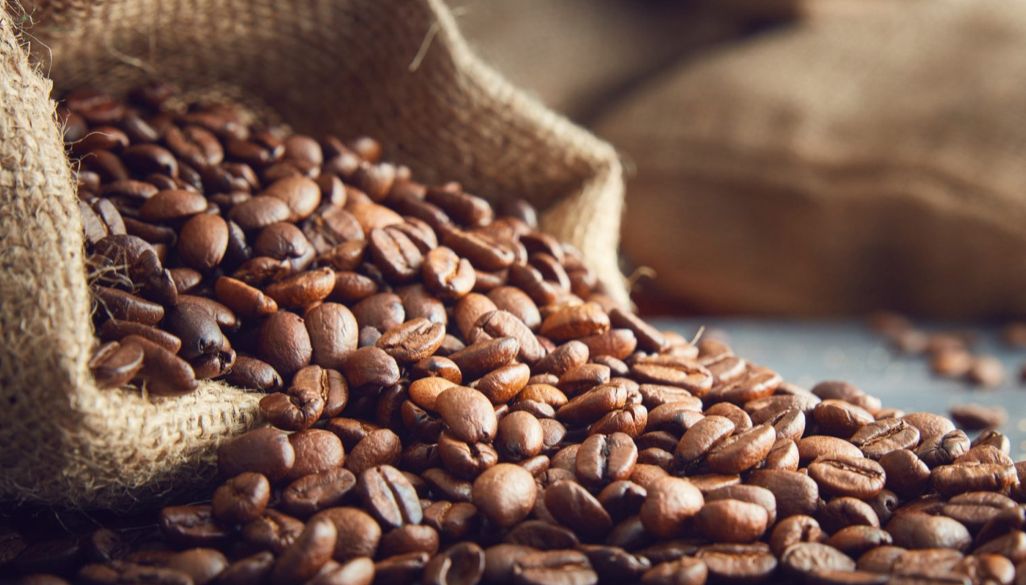
Uganda exported 855,441 60-kilogram bags of coffee worth shs722.58 billion in August 2025, according to the latest report from the Ministry of Agriculture, Animal Industry and Fisheries (MAAIF).
This marks a 2.45% increase in volume compared to the same month last year, though export earnings fell by 8.19% due to lower global prices.
Robusta dominated the exports, accounting for 797,363 bags valued at $180.79 million (about Shs705.08 billion), while Arabica contributed 58,078 bags worth $21.96 million (Shs85.64 billion).
Despite a decline in Robusta’s value, Arabica recorded strong growth, rising by 11.88% in volume and 63.96% in value compared to August 2024.
The average export price in August stood at $3.95 per kilogram (≈ shs15,405/kg), down from $4.19 in July and $4.41 in the same month last year.
MAAIF attributed the weaker Robusta earnings to “spillover effects” from July when global prices dropped.
Over the twelve months from September 2024 to August 2025, Uganda shipped 7.93 million bags of coffee worth Shs7.94 trillion, up from 6.73 million bags worth Shs5 trillion the previous year. This represents growth of 17.88% in volume and 58.72% in value.
At the farm-gate, prices were generally higher than in July. Robusta Kiboko averaged Shs6,500/kg, Robusta FAQ Shs13,500/kg, Arabica parchment Shs14,500/kg, and Drugar Shs13,500/kg, though Drugar prices fell slightly.
Europe remained the leading destination for Uganda’s coffee, accounting for 62% of exports. Italy led with a market share of 29.27%, followed by Sudan (13.13%) and Germany (10.02%).
Coffee shipments to African countries stood at 195,858 bags, representing 23% of the total.
Kyagalanyi Coffee Ltd topped exporter rankings with an 8.73% market share, ahead of Export Trading Company (8.61%) and Olam Uganda Ltd (8.26%).
The top 10 exporters accounted for 64% of total exports.
Globally, coffee production for 2025/26 is projected to reach a record 178.7 million bags, driven by recovery in Vietnam and Indonesia and record output in Ethiopia, according to the United States Department of Agriculture.
Locally, MAAIF reported supportive weather across coffee-growing regions, which enabled planting, pruning, and farmer trainings.
In August, 145 farmer trainings were conducted across 11 regions, reaching over 4,000 farmers, with emphasis on good agronomic practices, pest management, and climate-smart production.
Looking ahead, Uganda’s coffee exports in September 2025 are projected at 750,000 bags, with the main harvest season beginning in parts of Central and Eastern regions.
