

Developing countries are facing an escalating public debt burden, with figures showing that by 2024 they owed an estimated $11.7 trillion, spending about $1.6 trillion in government revenue annually just to service this debt.
More than three billion people—nearly half of the world’s population living in developing countries—now reside in nations that allocate more resources to debt repayment than to critical public services such as health and education, a situation economists warn is undermining long-term development.
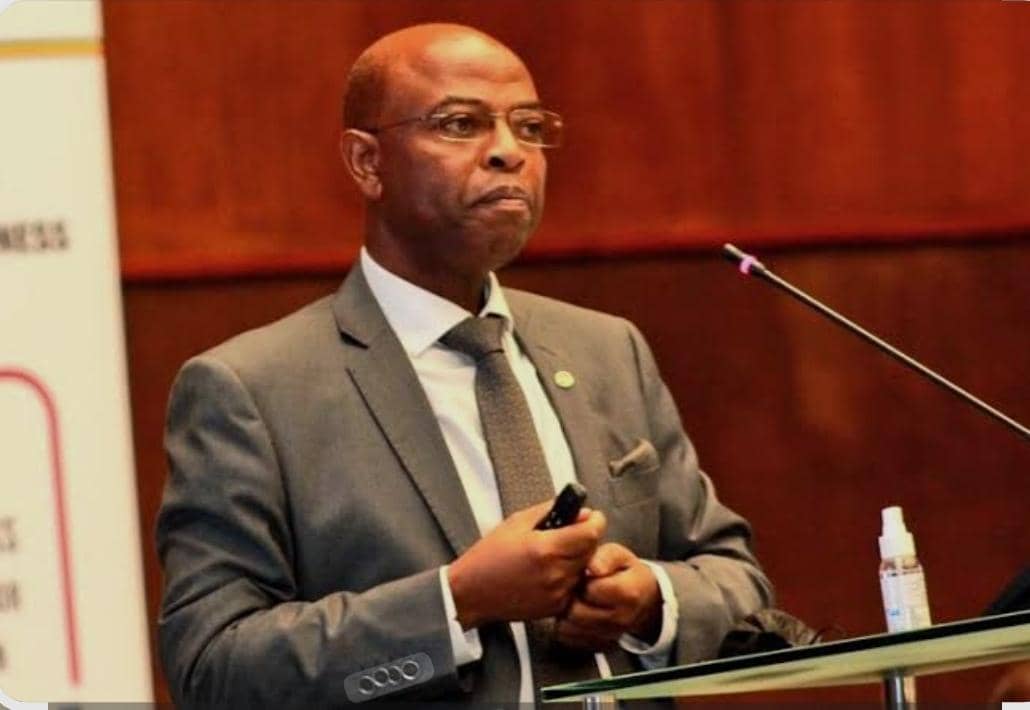
“This is not bad budgeting; it’s a broken global system,” said Prof. Augustus Nuwagaba, Deputy Governor of the Bank of Uganda, in a post on his X account.
“Developing countries borrow at interest rates two to four times higher than those faced by rich countries. When global interest rates rise, we feel the shock first.”
While acknowledging the importance of debt relief initiatives, Prof. Nuwagaba cautioned that such measures cannot replace economic growth.
“Debt relief without growth is simply buying time. You don’t grow by cutting expenditure alone; you grow by producing and trading more,” he said, stressing that South–South trade—commerce among developing countries—holds untapped potential.
Currently, trade among developing nations is valued at approximately $5.7 trillion, accounting for nearly 25 percent of global trade. Over the past two decades, South–South trade has expanded faster than trade between advanced economies.
“The opportunity is real, but we are underutilising it,” Prof. Nuwagaba noted. “Expanding trade among developing countries creates jobs, increases tax revenues, reduces borrowing needs, and eases debt stress. Growth remains the best debt strategy.”
In Africa, a major driver of this opportunity is the African Continental Free Trade Area (AfCFTA), a landmark agreement bringing together 54 African countries to form a single continental market for goods and services.
The agreement promotes the free movement of people, investment, and business across borders, eliminates tariffs on 90 percent of goods traded within Africa, and harmonises trade rules to strengthen regional integration.
According to Prof. Nuwagaba, full implementation of the AfCFTA could significantly transform African economies.
“If Africa fully implements AfCFTA, intra-African trade could increase by more than 50 percent over time. That is growth achieved without new loans or additional debt. It is a practical pathway to reducing debt dependence while accelerating economic development,” he said.
He further emphasised that governments must create an enabling environment for trade to thrive, including investment in infrastructure, streamlined customs procedures, and targeted support for small and medium enterprises to access regional markets.
“Africa’s growth story should be driven by trade and production, not by borrowing more,” he added.
Prof. Nuwagaba issued a clear call to action for African policymakers: “Trade more, borrow less, and grow faster.”
By fully leveraging the AfCFTA framework and strengthening South–South trade, African countries can unlock sustainable growth, generate employment, expand domestic revenues, and reduce reliance on debt—laying the foundation for long-term economic resilience.
