

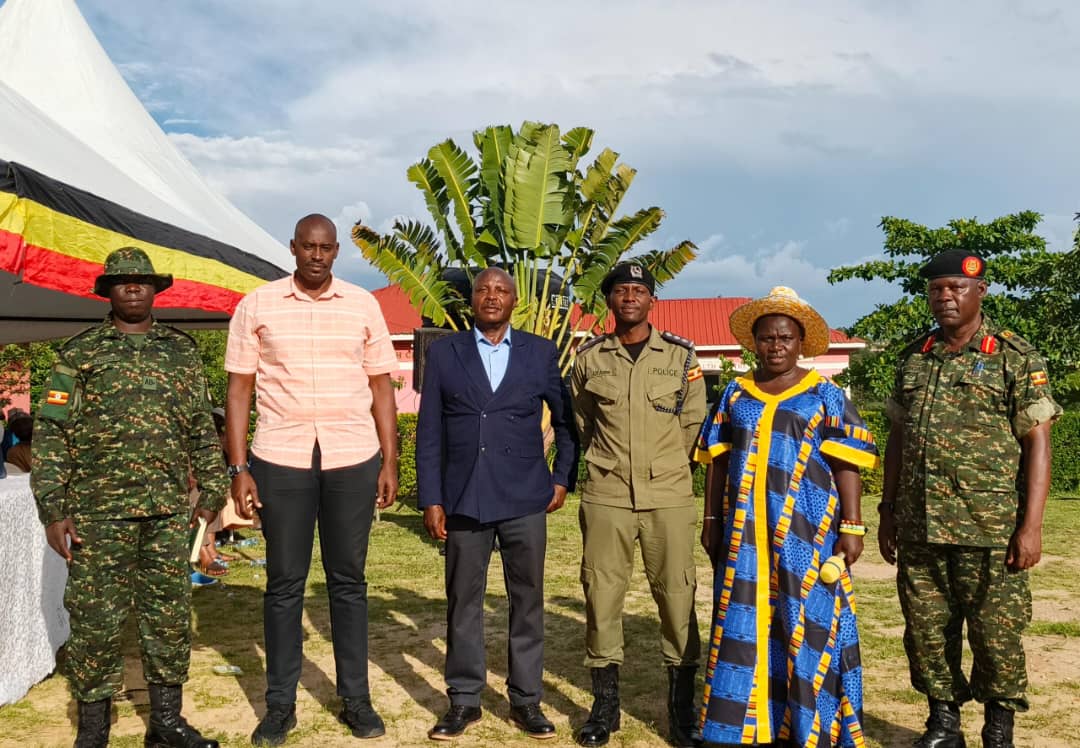
The Muslim community in Ntungamo District has raised alarm over what it describes as persistent discrimination, unfair arrests, and unresolved land disputes.
The grievances were formally presented to the Minister of Internal Affairs, Maj. Gen. Kahinda Otafiire, during a meeting held at the Ntungamo District Mosque over the weekend.
According to the District Qadhi, Sheikh Swaleh Kashangirwe, Muslims in the area continue to suffer social and administrative injustices, often being unfairly profiled as extremists and denied access to land legally owned by their community.
“The land in Kyafoora was given to us in 1977, and we obtained a judgment from the Equal Opportunities Commission in 1990 confirming our ownership. However, Rugarama North Subcounty has denied the Muslims access to this land,” Sheikh Swaleh said.
He added that the community had written to Minister Otafiire seeking police enforcement of the Commission’s order.
“We hope that soon, we shall be allowed to use our land in Kyafoora,” he stated.
Sheikh Swaleh further complained of repeated arrests of Muslim leaders in Kyafoora, Rugarama North, Kibeho, and Ntungamo Municipality, saying some cases were unjustly linked to terrorism.
“Several of our leaders have been held on police bond without clear charges. Some of these land-related issues have been wrongfully associated with terrorism, creating mistrust and frustration in our community. These actions have pushed some young people toward radical behavior,” he warned.
The meeting, which brought together Muslim leaders, local authorities, and security officials, aimed to ease tensions and address stereotypes that have strained relations between the Muslim community and law enforcement.
Representing the National Counter-Terrorism Centre, Col. Mande stressed that Islam should never be equated with violence, urging parents to protect their children from extremist manipulation.
“Islam is not terrorism. Muslims are not terrorists. Don’t kill anyone or destroy property because of money, religion, or leadership. Don’t allow your children to be lied to and end up in the forests of Congo,” Col. Mande said.
Ntungamo Resident District Commissioner (RDC), Miriam Mugisha Kagaiga, cautioned the community against allowing external influences to lure their youth into rebellion.
“Due to ignorance, some people have sent their children to join the ADF. When the UPDF went to fight, even those children were not spared. Such mistakes should never be repeated,” she said.
Kagaiga rejected claims of systemic discrimination, insisting that President Museveni’s government upholds religious unity.
“In the leadership of President Museveni, there has never been discrimination based on religion or region. The President has united everyone under the Inter-Religious Council. However, there are mafias who create divisions and lie to the public that the President doesn’t want Muslims,” she stated.
Representing Internal Affairs minister Kahinda Otafiire, Maj Gen Willis Byarugagaba urged both the security agencies and the Muslim community to foster peace, understanding, and mutual respect.
“Police should not arrest Muslims because of their faith but only for the crimes they commit. Peacekeeping is the only way to create development,” he said.
Gen Byarugagaba also assured the community that their land grievances would be escalated to the national level.
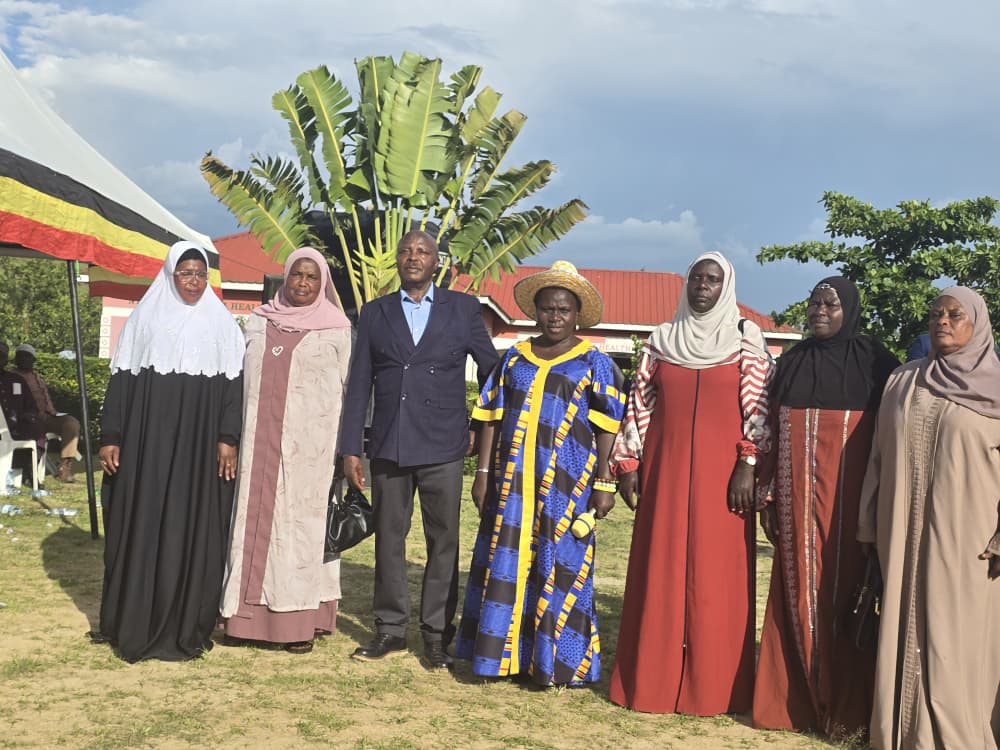
“The land conflicts in Ntungamo Municipality and Kyafoora will be presented to the Office of the President for follow-up." he said.
"Since development has already taken place on some of this land, negotiations will be necessary. If all fails, we shall write to the President to have this land gazetted and officially given to the Muslim community."
He concluded by urging all sides to avoid sectarianism. “Do not promote religion, tribe, or gender differences in all that you do. Peace and security are the foundations of development. Keep peaceful as Muslims and don’t assume that every arrest is because of religion,” he said.
The meeting ended with calls for sustained dialogue among Muslim leaders, local government officials, and security agencies to prevent religious polarization—particularly as Uganda prepares for the upcoming general elections.
