

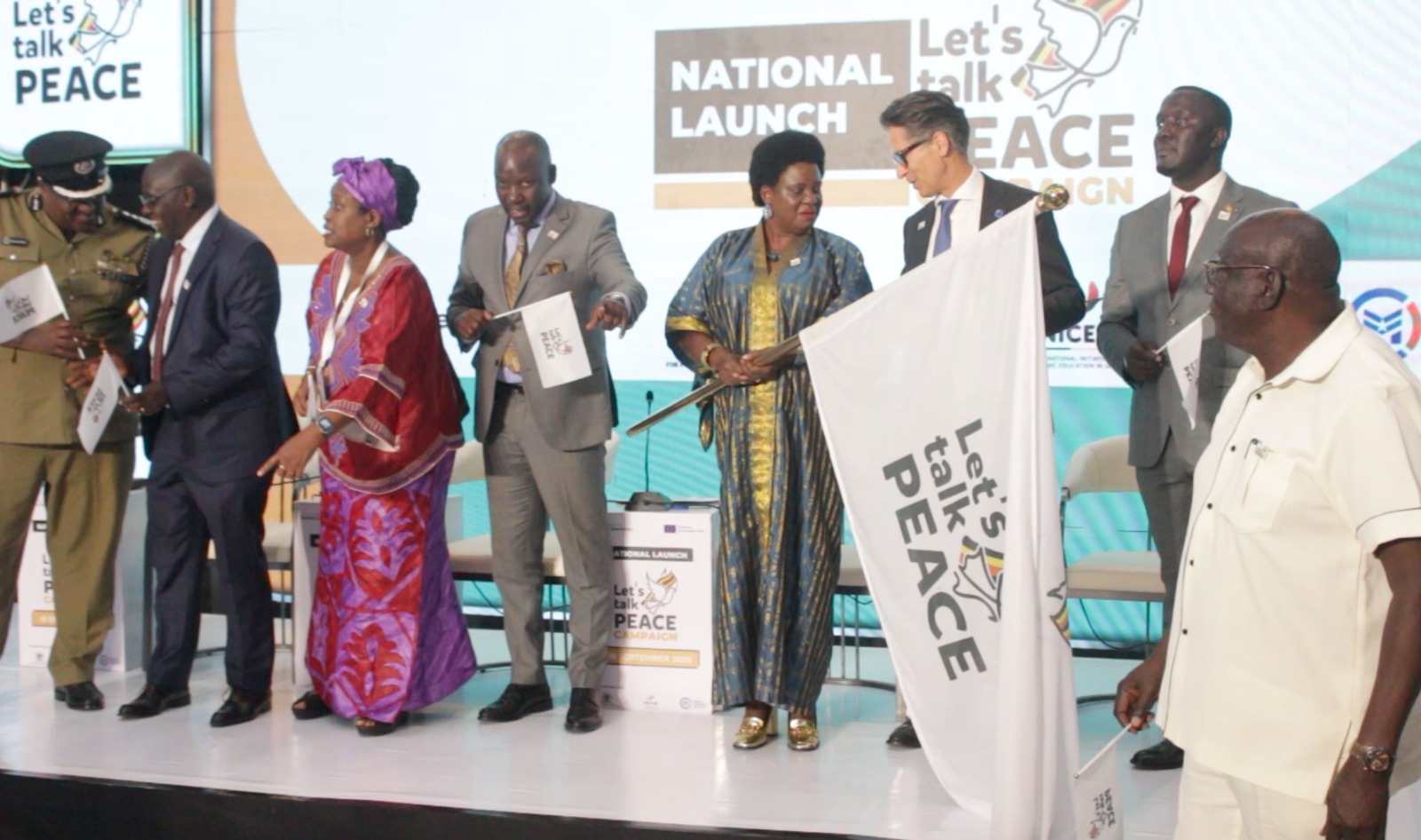
The Netherlands Institute for Multiparty Democracy has launched a nationwide peace campaign ahead of the 2026 general elections.
Branded “Let’s Talk Peace,” the initiative seeks to promote tolerance, dialogue, and respect for all voices during the electoral process.
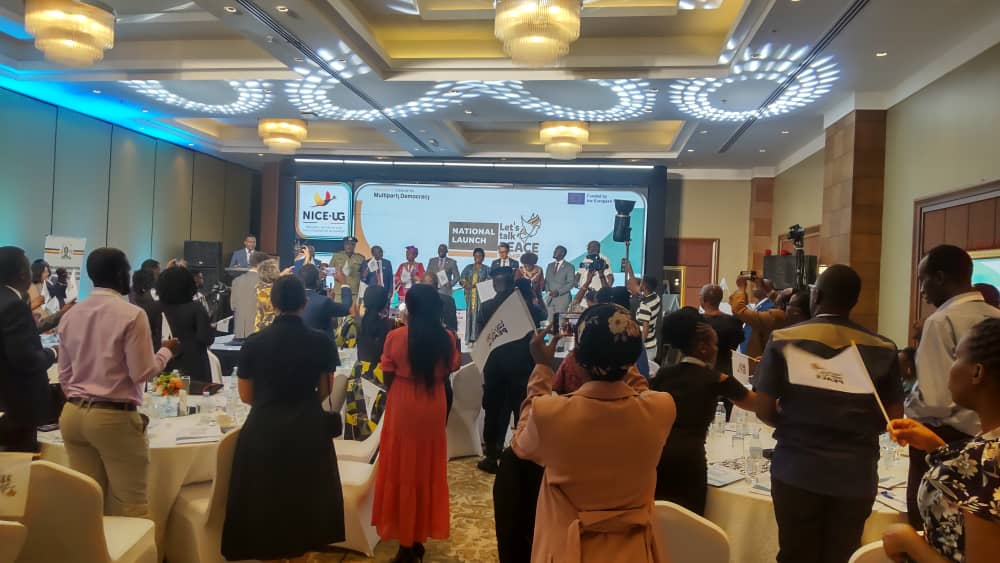
Unveiled in Kampala on September 18, 2025, the campaign is designed to nurture a culture of non-violence throughout the 2025/26 election period by encouraging Ugandans to embrace peace as a way of life rather than a political slogan.
Country Director Primus Atukwatse Bahiigi said the program aims to mitigate electoral violence and foster peaceful participation.
“This campaign is meant to encourage Ugandans to embrace peace as a lifestyle. It will feature a series of activities under the Tuongea – Let Us Talk project, funded by the European Union,” he explained.
The European Union Ambassador to Uganda, Jan Sadek, welcomed the initiative, noting that it reflects Uganda’s commitment to preparing adequately for the next general elections.
According to the institute, activities under the campaign will include the Let’s Talk Peace Caravan, a mobile hub that will tour electoral hotspots to host dialogue sessions, artistic performances, and civic education.
Edutainment events targeting young people, a national peace conference, and public commitments from political leaders are also planned.
However, the launch sparked criticism from sections of the opposition and policy analysts, who argued that the initiative ignored the role of security agencies often accused of driving electoral violence.
Benjamin Katana, Vice Chairperson of the National Consultative Council, faulted the approach: “They should be speaking to security agencies that are usually used by the ruling National Resistance Movement to spark violence during elections.”
Salaamu Musumba, leader of the People’s Front for Freedom, dismissed the campaign as “deceptive,” while analyst David Pulkol warned that peace campaigns that overlook entrenched power structures risk being ineffective.
“These are power edicts,” he said. “Power is out of reach for children, and pretending otherwise only risks messing up the country.”
Uganda’s history of elections, from independence in 1962 to the most recent polls in 2021, has often been marred by violence, intimidation, and mistrust. The Netherlands Institute for Multiparty Democracy says its mission is to help rewrite that story by promoting dialogue and tolerance ahead of 2026.
What began as a hopeful launch has quickly evolved into a political debate—an early sign of how contentious Uganda’s election season is likely to be.
