

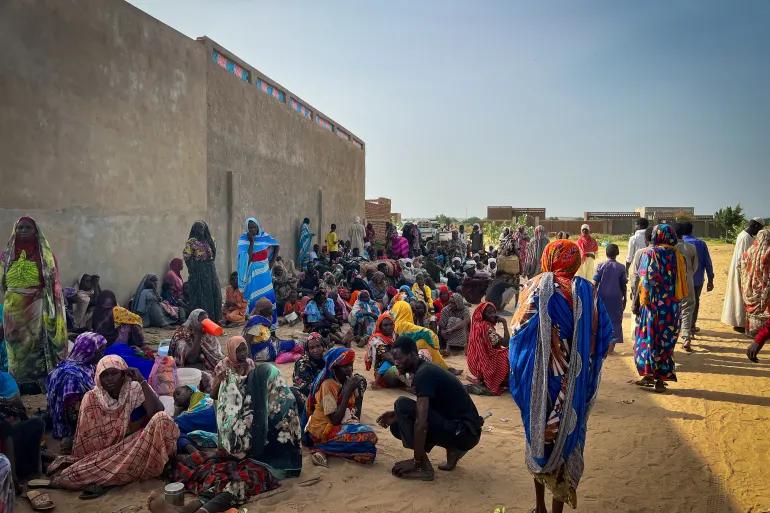
In a report released on June 4, Human Rights Watch warned of intensifying violations targeting civilians in Sudan, following the documentation of aerial attacks by the Sudanese Armed Forces on residential and commercial districts in Nyala, the capital of South Darfur, last February.
The military used unguided bombs with wide-area effects, killing and injuring hundreds of civilians, including women and children, in densely populated areas where precision strikes are virtually impossible.
According to Human Rights Watch, "the army’s aerial assaults are indiscriminate - deliberately or recklessly so - which constitutes a war crime."
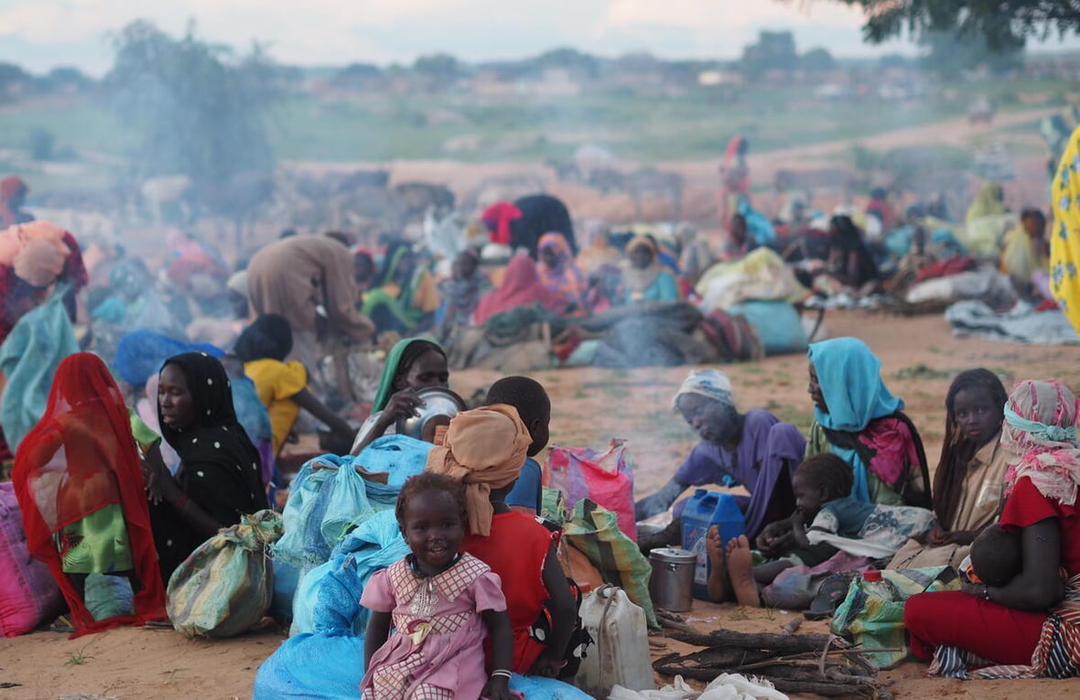
These developments reflect the complex reality on the ground, which extends far beyond a binary conflict between the army and the Rapid Support Forces.
“We are not fighting, but we are dying,” said a displaced resident of Nyala in a voice message. “We carry no weapons; we belong to no side... but we die every day. Who is fighting whom - and for what?”
Relentless Bombardment and Civilian Suffering
The attacks on Nyala mirror the experience of many towns and cities, particularly in Darfur and Kordofan, where civilians have become direct targets of relentless and often indiscriminate shelling. Hospitals, markets, and other non-military sites have been repeatedly struck.
Eyewitness accounts from residents describe mass displacement and the destruction of critical infrastructure, deepening an already dire humanitarian crisis.
Field reports also point to the alleged use of chemical weapons by the army or its allies in areas including East Khartoum, Darfur, and southern Gezira, with documented cases of suffocation and skin deformities in ill-equipped medical facilities.
The United States has confirmed the army’s use of drones armed with banned munitions, raising the possibility of crimes against humanity and prompting calls for an urgent, independent international investigation.
Extremist Militias and the Erosion of Command
Armed extremist militias allied with the army - some linked to Islamist movements - are gaining increasing influence.
These groups have been documented carrying out ethnically motivated operations, including looting, forced displacement, rape, and summary executions, particularly in neighbourhoods populated by non-Arab communities.
The situation is further complicated by the absence of a unified military command structure. Several field units operate with near-complete autonomy from army leadership, raising critical questions about who holds political and military accountability for the ongoing violations.
Al-Burhan, the Islamists, and the rift within the military
Behind the battlefield, a power struggle is unfolding within the military establishment itself. General Abdel Fattah Al-Burhan is under pressure from hardline Islamist officers who seek to reassert their influence within the armed forces.
Multiple sources report growing rifts over how the war is being managed, the role of militia battalions, and relations with armed movements.
Some Islamist leaders have adopted a tactical posture - supporting the army to strengthen their foothold - while being accused by military figures of overreach and domination.
What emerges is a picture of a fragile, fracturing alliance being consumed from within.
The Juba Agreement: Forgotten and Marginalised
As exclusionary politics persist, signatories of the Juba Peace Agreement find themselves increasingly sidelined.
They have been gradually pushed out of executive and military roles, amid accusations that Al-Burhan is rebuilding a centralised state that disregards Sudan’s ethnic and political diversity.
Some factions have hinted at a return to armed struggle as a response to the failure to implement the agreement.
Tribal Marginalisation: The Case of Ihab Al-Tayeb’s Death
A new crisis erupted amid this turmoil when military officials accused Brigadier Abdullah Janna - of the Zaghawa tribe - of betrayal following the death of General Ihab Al-Tayeb.
Military intelligence sources claimed Janna leaked Al-Tayeb’s location, which was later targeted.
Though the accusation remains unproven, its dissemination through military and media channels has unleashed a wave of collective suspicion and stigmatisation against the Zaghawa, deepening perceptions of ethnic exclusion within the armed forces.
The internal response - from both the military and tribal communities - was tense and angry, signalling a potentially irreparable rift driven by regional and ethnic fault lines.
A Crippling Humanitarian Collapse
Amid continued bombardment and deteriorating security, Sudan faces a worsening humanitarian catastrophe:
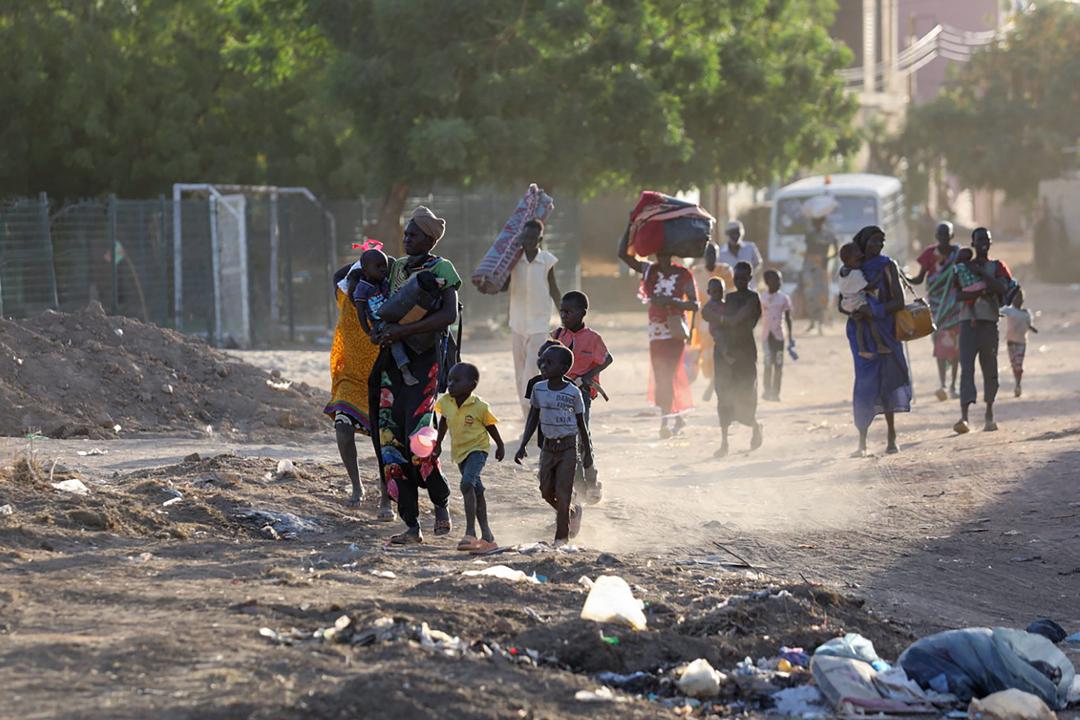
Over 10 million displaced persons, lacking shelter and food.
Hospitals shutting down due to shortages in medicine and power.
Schools remain closed, leaving an entire generation of children out of the education system.
International Law and the Absence of Accountability
International humanitarian law strictly prohibits indiscriminate attacks and the use of banned weaponry, and it mandates civilian protection.
Yet despite repeated appeals from organisations like Human Rights Watch, the global response remains far below what the situation demands, hindered by diplomatic and regional complexities.
The persistent violations, the breakdown of central authority, and the perpetuation of ethnic and political exclusion reveal that Sudan’s crisis has transcended conventional warfare; it now signals the collapse of state and society.
Rebuilding Sudan cannot proceed without: ending military rule and transferring power to civilians, an immediate ceasefire and halt to all violations, a transparent, independent international investigation, an equitable representation for all Sudanese, and a comprehensive transitional justice process to end impunity.
The Author is a Global Security For Africa Research and Good Governance (GLOSARRG)
