

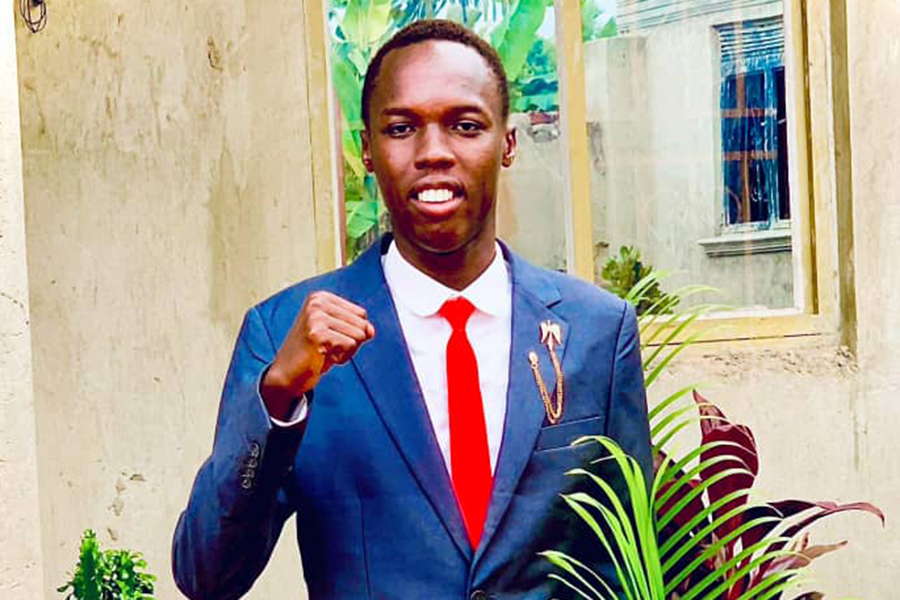
By Michael Chris Adonyo
The National Unity Platform (NUP) suffered a decisive defeat to the National Resistance Movement (NRM) in the recently concluded elections, particularly in Northern Uganda where the ruling party secured over 80% of the vote — a stark contrast to NUP’s relative success in 2021.
Several factors contributed to this outcome, but NUP must also acknowledge its failure to convert the energy and attendance at its rallies into actual votes. A key misstep was the party’s reliance on central-region personnel to identify and train polling agents in the North. This approach bred mistrust: many of these outsiders were intimidated or abandoned their duties, leaving polling stations without agents.
The party also overstretched itself by presenting candidates everywhere, many of whom were either inexperienced, unpopular, or unknown. Some were later compromised through inducements, weakening the party’s credibility and depleting its resources.
While NUP may allege vote manipulation in some areas, the reality in Northern Uganda is that many voters genuinely supported President Museveni. The NRM executed a well-coordinated strategy, combining large rallies with smaller, targeted engagements through deeply rooted party structures and delegates.
President Museveni leveraged the Parish Development Model (PDM) as a key campaign message, promising 200 million shillings per parish, whereas NUP leader Bobi Wine publicly opposed the PDM. For communities in Northern Uganda that endured over two decades of conflict, the PDM represents essential development support.
Additionally, Museveni promised completion of ongoing projects such as the Akii-Bua Stadium, road rehabilitation, and creation of new districts including Aber and Erute. His access to substantial financial resources and state machinery allowed him to campaign broadly, traveling across regions in a single day — a mobility advantage Bobi Wine could not match due to road restrictions and logistical challenges.
Northern Ugandans, particularly in Lango, ultimately voted for candidates whose messages addressed their immediate concerns. For NUP, this defeat is a stark reminder that electoral success depends on grassroots presence, credible candidates, and consistent engagement beyond central regions.
Moving forward, NUP must strengthen village-level structures capable of mobilizing voters effectively. The party must also rebrand and broaden its message beyond a focus on President Museveni, demonstrating that it is a truly national party with sustained presence and activities in all regions.
Supporting the party’s “wounded soldiers” — candidates who carried the NUP flag under challenging conditions — is also essential. Many faced intimidation and security threats, yet the party failed to provide follow-up support after the 2021 elections.
NUP should focus on fielding fewer but stronger candidates, channeling adequate support to improve their chances of winning parliamentary seats, rather than spreading resources thinly across numerous weak candidates.
The party is no longer young, and public sympathy cannot be assumed indefinitely. Learning from these structural and strategic shortcomings is crucial if NUP intends to remain competitive in Northern Uganda and nationwide.
The writer, Michael Chris Adonyo, is a student at Lira University and a former Youth Leader and Coordinator with the National Unity Platform, Northern Uganda.
