

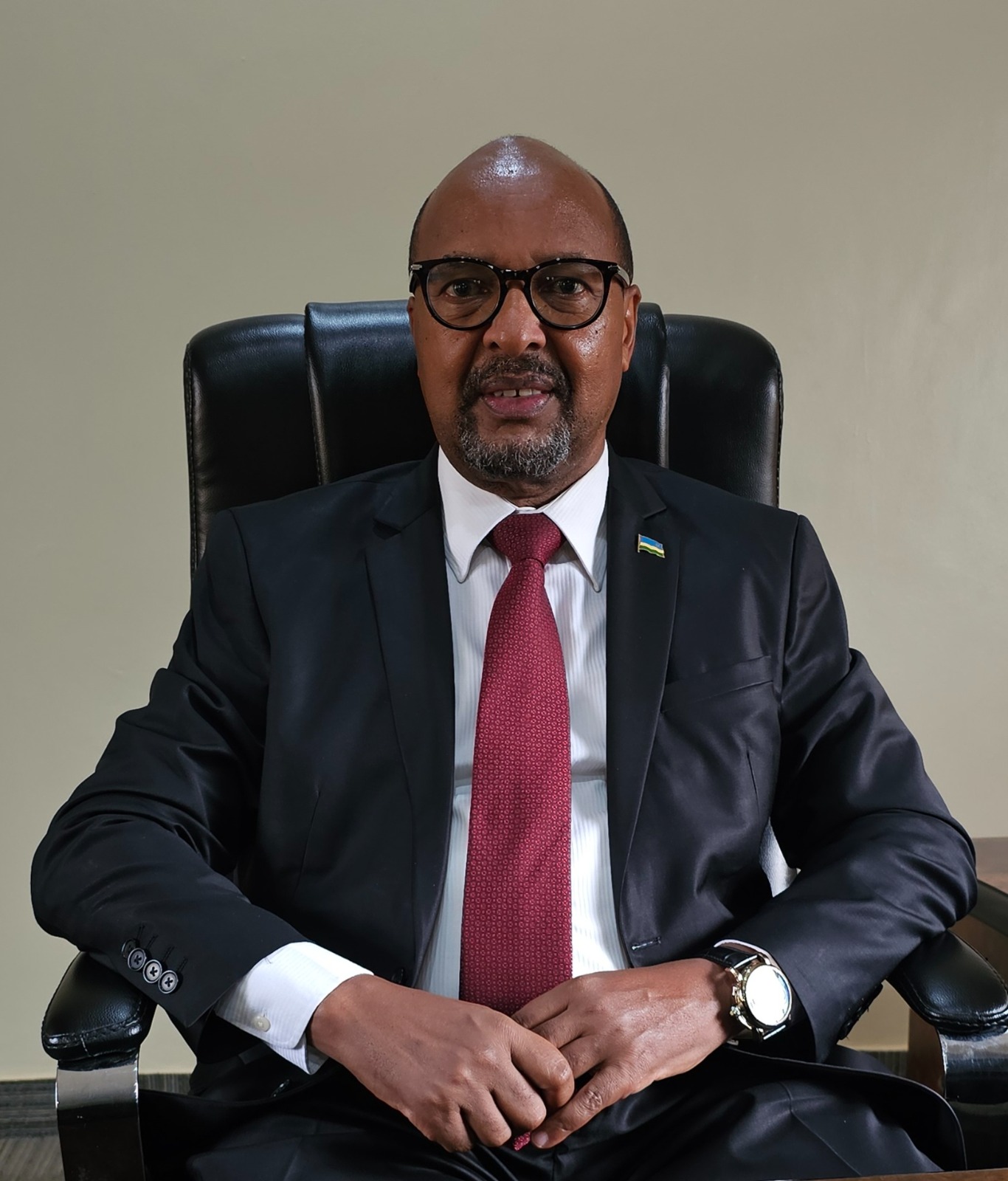
By Joseph Rutabana
This April, as the world joins Rwandans in commemorating Kwibuka31, the 31st remembrance of the 1994 Genocide against the Tutsi, we are called not only to reflect on the horror of one of the 20th Century’s darkest chapters, but to examine our shared responsibility in ensuring that genocide never happens again.
Under the theme, “Remember–Unite–Renew”, the commemoration brings together survivors, their descendants, government, friends of Rwanda and Rwandans in general, in solemn remembrance, unity in resilience, and collective renewal of purpose.
From Kigali to New-York at UN HQ and many other capitals, world over, the flame of memory is lit, honoring over one million lives extinguished in just 100 days between April and July 1994.
A Genocide Decades in the Making
The Genocide against the Tutsi did not occur in a vacuum. It was the culmination of decades of colonial-fueled ethnic division, hatred, and institutionalized discrimination. First introduced by the colonial administrators and propagated by missionaries, the seeds of division were fertilized by successive post-independence governments that marginalized, persecuted, and incited violence against the Tutsi population.
The mass killings of the Tutsi began as far as 1959, followed by decades of a series of pogroms that culminated in the orchestrated, systematic slaughter of 1994; planned and executed by the extremist Hutu regime of President Juvenal Habyarimana and carried out by the army, gendarmerie, militias and local leaders.
The genocide was marked not just by its brutality, but by the silence of a watching and passive International Community.
The Cost of Indifference
The International Community, including powerful western nations and the United Nations, stood by as the killings unfolded.
Despite early warnings and evidence of mass extermination, decisive intervention never came. For Rwandans, this betrayal is not merely a historical grievance, it is a warning.
The same genocidal ideology that led to Rwanda’s darkest days persists across borders, particularly in the Eastern Democratic Republic of Congo (DRC), where genocidal armed groups like the Forces Democratiques pour la Liberation du Rwanda (FDLR), continue to operate with impunity.
Alarmingly, hate speech and incitement against Congolese Tutsi communities have become normalised in mainstream discourse, echoing the dangerous rhetoric of 1994.
Resilience, Reconciliation, Renewal
Yet the story of Rwanda is not only one of tragedy, it is also one of incredible resilience. In the wake of the genocide, Rwanda rose from the ashes to become a beacon of unity and reconstruction.
The Government of National Unity, established in July 1994, anchored its efforts on reconciliation, justice, and rebuilding the social fabric torn by hatred.
Initiatives like Ndi Umunyarwanda, "I am Rwandan" have been central to fostering a shared national identity that transcends ethnic divisions.
The country’s transformation into one of Africa’s most stable and progressive nations stands as a testament to what is possible when people choose healing over vengeance.
Remembering with Purpose
Kwibuka 31 is not simply about looking back; it is about honoring the past by shaping a better future. It’s a time to recommit to international principles like the 1948 UN Convention on the Prevention and Punishment of Genocide, and to demand accountability from states harboring genocide fugitives or enabling hate.
As the Rwandan Diaspora and Global Community gather for this year’s commemorative events, the message is clear: silence is complicity. Whether through education, justice, or diplomacy, we each have a role to play in uprooting genocide ideology wherever it takes root.
In Rwanda, the phrase “Never Again” is more than a promise, it is a principle guiding every act of remembrance, every measure of justice, and every effort towards peace.
As we mark Kwibuka 31, let us not only grieve what was lost, but stand together in ensuring that such horrors are never repeated anywhere in the world.
Amb Joseph Rutabana is the Rwandan High Commissioner to Uganda
