


BY SOLOMON JOHN NABUYANDA
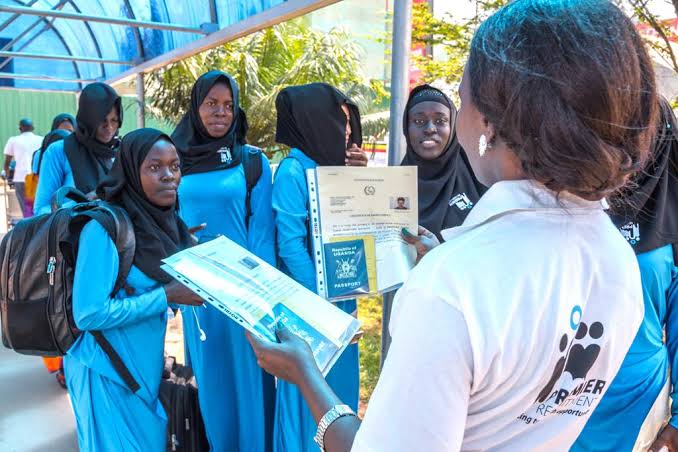
The media has been awash with images and posts calling for reconsideration of Uganda's labour externalisation policy.
As suggested previously by the Permanent Secretary of the Ministry of Gender, Labor & Social Development, Aggrey Kibenge, this policy is not intended to stop Ugandans from travelling to Middle Eastern countries in search of greener pastures.
Instead, its aim is to ensure that Ugandan workers are treated well and are not exposed to inhumane, degrading, and cruel treatment of fellow citizens, human trafficking, and illegal body organ transplants.
As a result, as of right now, some Ugandans are left on the streets while others are being held in detention facilities in Dubai, Qatar, Saudi Arabia, and Oman.
Instead of reacting emotionally, Kabenge should take an interest in the situation as a technical member of the ministry and adopt and implement protective measures for the Ugandan migrant workers in the Middle Eastern countries.
For instance, Ugandans working in this sector are exposed to their employers in Middle Eastern countries since they are governed by the Kafala system, whereas our nation carries none of these risks.
Regardless of one's faith, social-political affiliations, or economic status, this is a discourse we need to have and everyone involved must contribute.
The Ministry of Gender should review its labour externalisation policy, which most importantly aims at human resource management and protection, given that the Middle East's current working conditions have precedented, rampant deaths.
The detention of more than 3200 Ugandans in these countries is based on trumped-up charges even though domestic violence, high unemployment, and illiteracy are what dictate Ugandans' status quo.
The author is a human rights defender
