

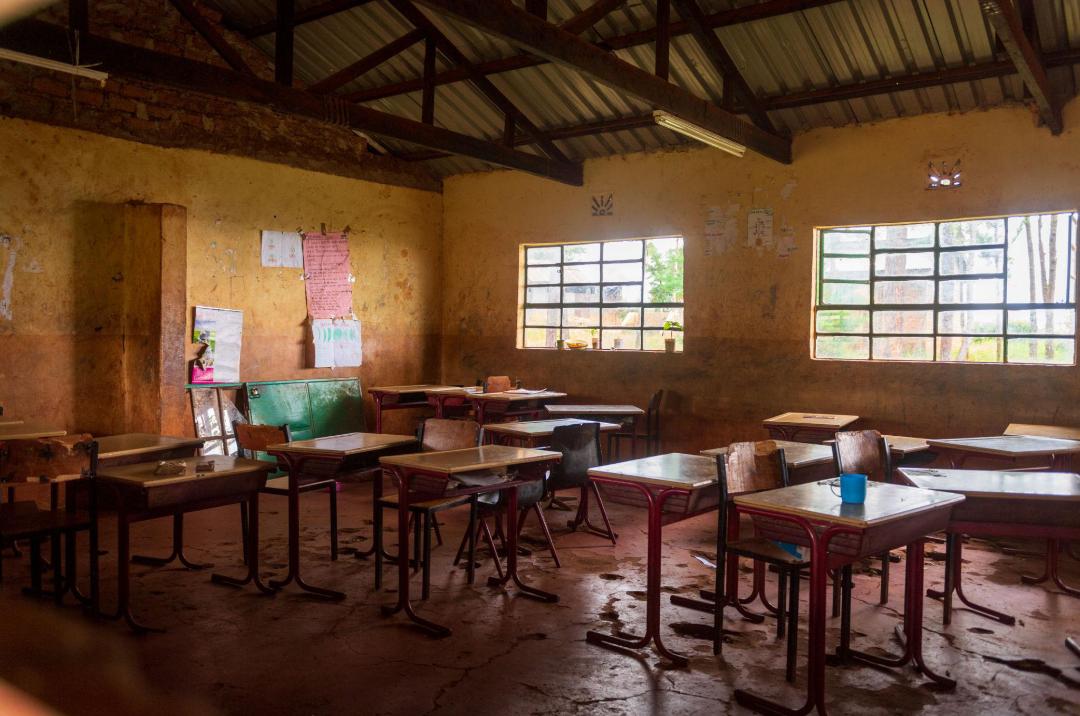
In rural communities across Bukomansimbi District, growing numbers of school-going girls are dropping out of school due to early pregnancies, lack of school fees, and domestic responsibilities, sparking concern among education stakeholders and community leaders.
Teachers and education officials say the trend is particularly common in upper primary and secondary school levels, where many girls fail to complete their education despite showing promise in earlier classes.
At several schools visited in the district, teachers said absenteeism among girls often begins gradually before eventually turning into permanent dropout.
Parents blame worsening economic hardship, saying many families can no longer afford school fees, sanitary materials, and other basic scholastic requirements.
“My daughter was very bright, but I failed to continue paying school fees. She stayed home and later got married,” said Grace Nakyeyune.
She added that in many homes, boys’ education is prioritized whenever family resources become limited.
“When money is little, people think educating a boy is more important, yet girls also have dreams,” she said.
Teachers also cited rising cases of teenage pregnancies as a major factor driving girls out of school.
“We register girls who suddenly stop coming to school, and later we discover they are pregnant. Most of them never return,” some teachers said.
They explained that peer influence, lack of parental guidance, and limited reproductive health awareness continue to expose many girls to early pregnancies.
In some communities, girls are also required to stay home to carry out domestic chores such as cooking, fetching water, and working in gardens.
“In our village, girls are expected to cook, fetch water and help in the gardens. Sometimes they miss school for long periods and eventually drop out,” said Aisha Namukasa.
Education stakeholders further pointed to lack of sanitary pads and poor menstrual hygiene management as a silent but significant contributor to absenteeism.
“When a girl misses school during her period and has no support, she becomes embarrassed to return. Slowly she leaves school completely,” said Sarah Edith Nakazzi.
Education officials warn that continued school dropouts among girls could have long-term social and economic consequences for communities.
“When a girl drops out early, her life chances are reduced. Most end up in early marriages or low-paying jobs,” officials noted.
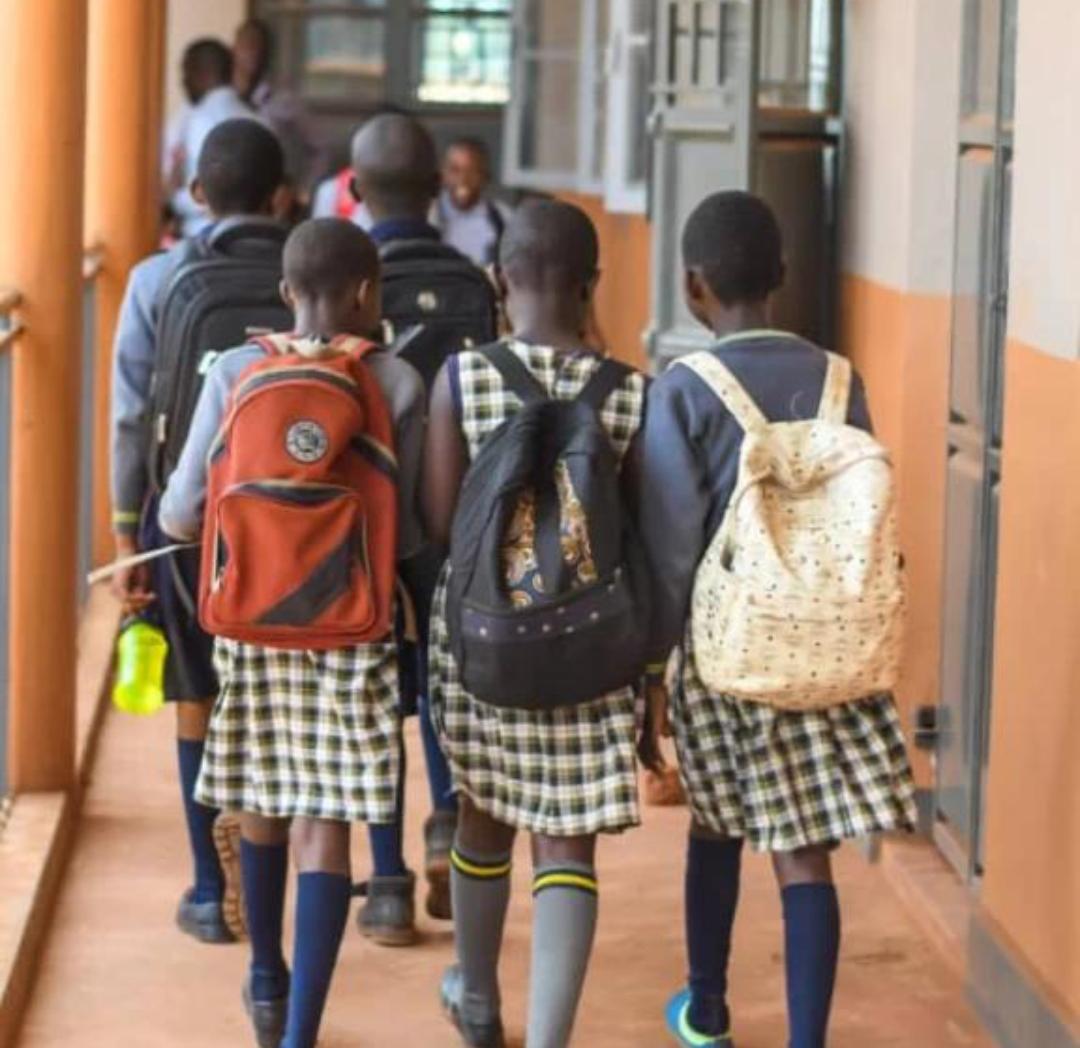
Local leaders say efforts are underway to work with schools and parents through sensitization campaigns, girl-child education programs, and support initiatives targeting vulnerable families.
“We are encouraging parents to value the education of girls equally. Education is the only way to break the cycle of poverty,” said Michael Nsubuga.
Community leaders have also appealed to non-governmental organizations to support girls with sanitary pads, school materials, counseling, and mentorship programs.
Despite ongoing interventions, many girls in rural parts of Bukomansimbi continue to face barriers that push them out of school. Stakeholders are now calling for stronger government support and deeper community involvement to ensure girls remain in school and complete their education.
