

Uganda will host the 4th Digital Government Africa Summit from October 6 to 8, 2026, as government moves to address persistent inefficiencies in public service delivery through expanded use of digital systems.
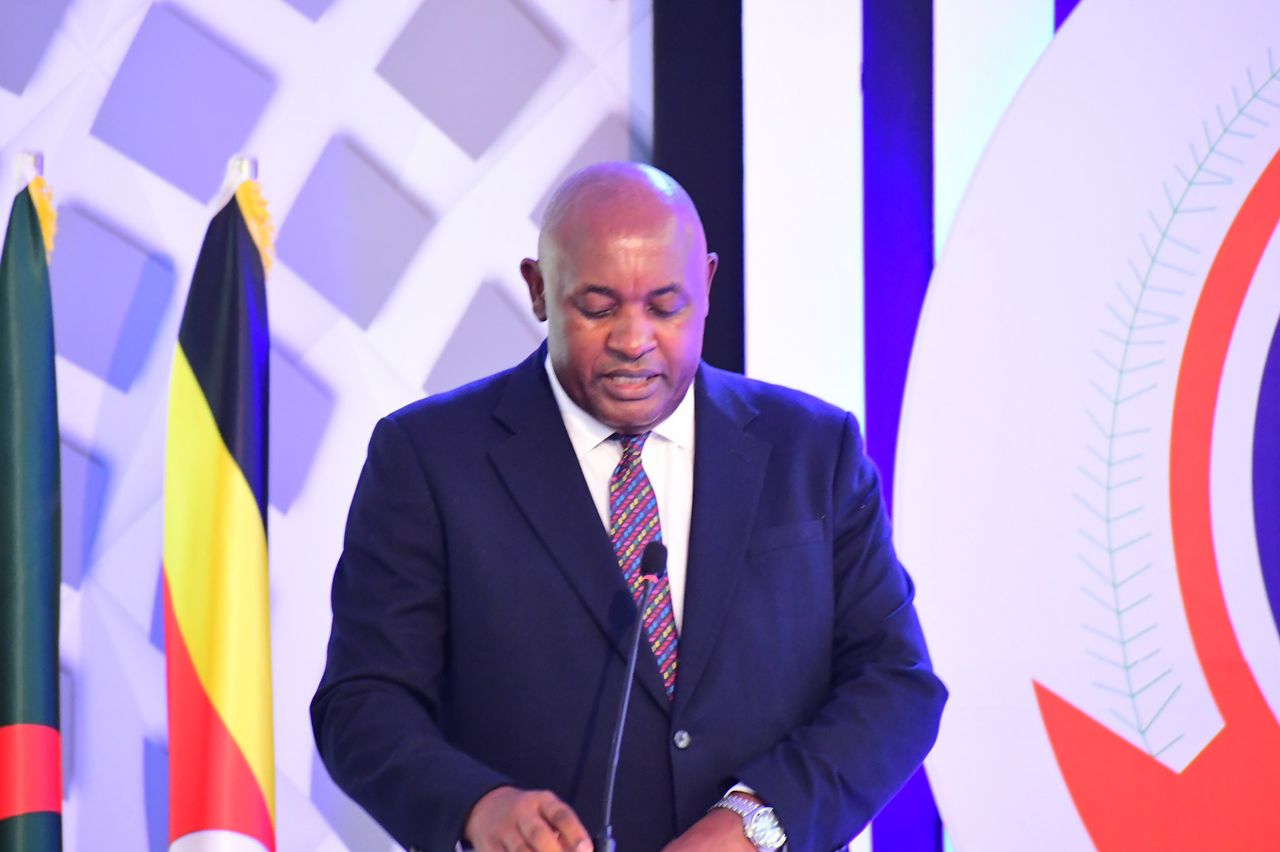
Announcing the summit, Minister for ICT and National Guidance Chris Baryomunsi said the meeting will bring together governments, technology firms and development partners from across the continent to tackle structural weaknesses in digital governance.
The event, organised by the Ministry of ICT and National Guidance, will focus on digital identity, e-government services, cybersecurity, data protection, digital payments and artificial intelligence.
Baryomunsi said gaps in service delivery, including delays, fragmented systems and limited access, highlight the urgency of reform.
“These are the foundations of modern public administration. They determine how efficiently a citizen can access a birth certificate, renew a licence, register a business or receive social services,” he said.
He acknowledged that despite progress in ICT infrastructure and digital inclusion, challenges remain, including weak integration of government systems, limited digital skills, cybersecurity risks and funding constraints.
“Digital transformation is a journey. It requires continuous investment, strong policy frameworks, institutional coordination and skilled people,” he said.
Officials say the summit will provide a platform for African countries to share practical solutions, particularly on interoperability and building public trust in digital platforms.
The Executive Director of the National Information Technology Authority Uganda, Hatwib Mugasa, said Uganda’s selection to host the summit reflects growing recognition of its digital progress.
“Hosting the Digital Government Africa Summit 2026 is a powerful vote of confidence in Uganda’s digital journey,” Mugasa said.
He cited improvements in global ICT rankings, including a GovTech Maturity Index score of 0.79 placing Uganda in the “very high maturity” category and an E-Government Development Index score of 0.45 in 2024, above the African average.
Mugasa attributed the gains to investments in digital infrastructure, including expansion of the National Backbone Infrastructure to 4,387 kilometres and rollout of platforms such as UGHub for data integration and UGPass for digital identity and electronic signatures.
“Our focus has shifted from simply connecting government institutions to delivering real digital services that impact citizens,” he said.
Government expects the summit to attract policymakers, investors and technology companies to Kampala, while providing an opportunity for Uganda to showcase its systems and learn from other countries.
Officials say the meeting will emphasise practical implementation, including designing citizen-centred services, protecting data and extending digital access to underserved communities.
The summit is expected to draw hundreds of delegates from across Africa as countries seek to strengthen collaboration in building more efficient, secure and inclusive digital government systems.
