

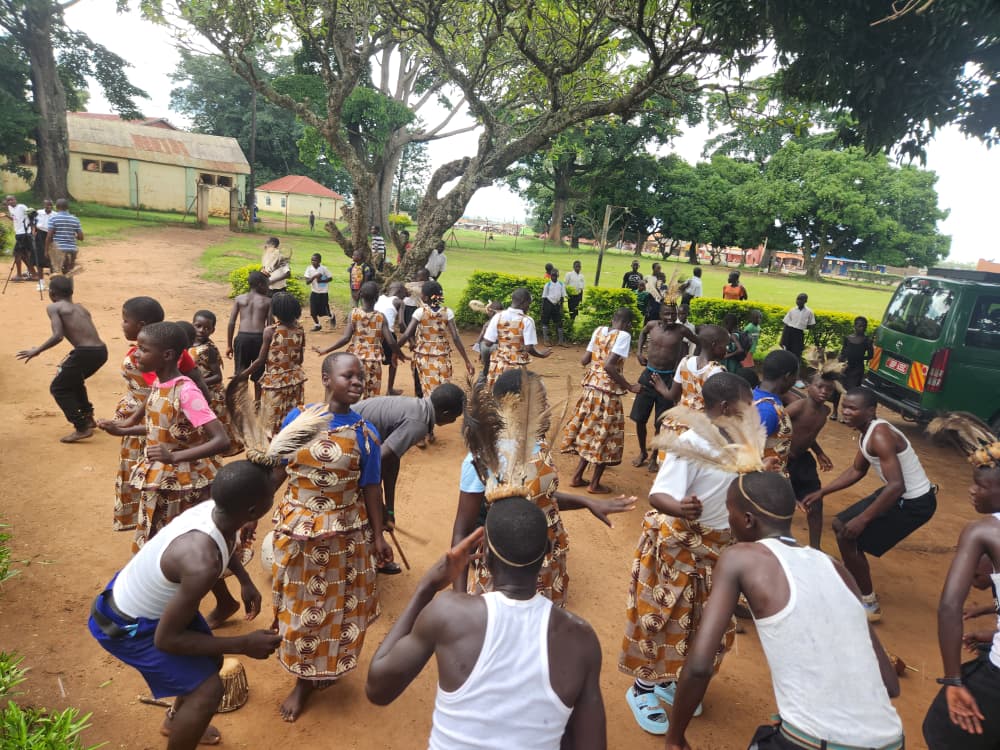
Oil exploration activities are not only contributing to the growth of Uganda’s economy but are also creating an opportunity to revive and promote cultural practices among learners in schools across the Albertine region.
Through a partnership between the Cross-Cultural Foundation of Uganda (CCFU) and TotalEnergies, deliberate efforts are being made to safeguard and promote the living heritage of communities in the region.
At the centre of this initiative is the Heritage Education Programme (HEP), which has been introduced in schools to help learners appreciate, understand, and take pride in their cultural identity. The programme is increasingly transforming how education is delivered, particularly in districts such as Nwoya District and Buliisa District.
By integrating cultural activities such as music, dance, drama, and craft-making into school life, HEP is turning culture into a practical tool for learning, identity formation, and income generation. Schools that previously struggled with low learner engagement are now using heritage clubs to make education more relevant and experiential.
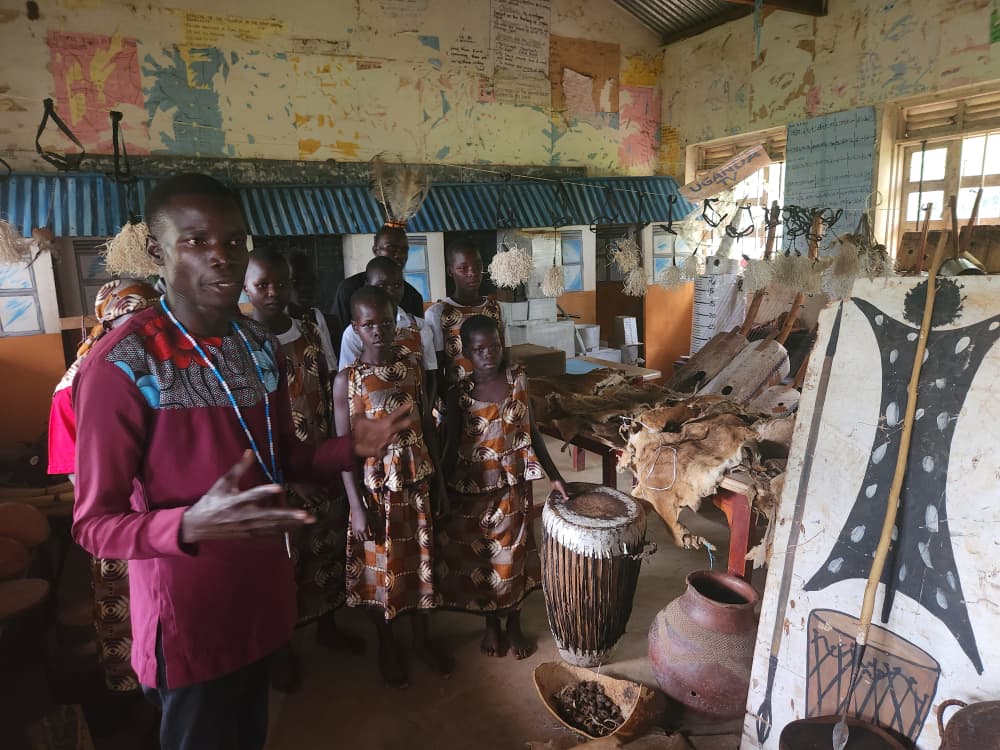
As a result, learners are reconnecting with their cultural roots while acquiring skills that can support their livelihoods—demonstrating that culture, when nurtured, can be both a source of pride and a pathway to opportunity.
The initiative was partly introduced to address concerns that oil and gas developments, along with the influx of people into the region, could erode local cultures.
According to CCFU Programmes Manager Simon Musasizi, strengthening cultural education in schools was identified as a practical solution.
“Oil and gas activities bring people from diverse backgrounds, which can affect local cultures. We are using heritage education to preserve culture while promoting coexistence,” he said.
From just a handful of schools, the programme has expanded to dozens across the region, with thousands of learners actively participating in heritage clubs.
At Anaka Primary School in Nwoya District, cultural activities have become part of everyday learning. Teacher Anthony Ocaya says the programme has transformed how learners relate to school.
“When learning is connected to culture, children become more interested. They stay in school, perform better, and even earn from their talents,” he explained.
He added that support from partners like CCFU has enabled the school to compete in music, dance, and drama festivals, where they have excelled.
“We have received costumes, props, and transport support. We are now champions in our sub-region and progressing to the national level,” Ocaya said.
In Buliisa District, similar progress is evident. Schools such as Kisansya Primary School are using heritage clubs to keep learners engaged, particularly those who struggle in traditional classroom settings.
“Some children are slow learners, but when they participate in cultural activities like music, they gain confidence and remain in school,” said Heritage Club patron John Isingoma.
A Primary Six pupil, Happy Taremwa, said the heritage club is helping learners reconnect with cultural practices that have been diluted by the influence of different ethnic groups and Western culture.
“We are learning what our ancestors used to do. We make crafts and generate income for our school and group,” he said.
He added that the mini museum, along with music, dance, and drama activities, has made school more enjoyable and encouraged even previously disengaged pupils to stay and learn.
“Many pupils who had lost interest in school now enjoy being here because the club brings joy while giving us useful skills,” he added.
Education officials say the approach is yielding positive results. Sophia Kabonesa, an Inspector of Schools in Buliisa District, noted a decline in dropout rates.
“Children enjoy practical activities. Through heritage clubs, they remain active, engaged, and in school. We are also seeing improved academic performance,” she said.
For many schools, the link between culture and income is proving essential.
“Learners can now use their skills to generate income, which helps them stay in school and meet some of their needs,” Ocaya added.
Despite the progress, stakeholders say more needs to be done to fully integrate cultural education into the formal school system.
“Culture is already part of the curriculum, but it is not prioritised. We need stronger government support to scale up this programme,” Musasizi emphasized.
Beyond HEP, CCFU, in partnership with TotalEnergies, is also implementing the Culture for Livelihoods (CUL) initiative, which targets community-based associations within the Alur, Acholi, Bagungu, and Bunyoro cultural groups.
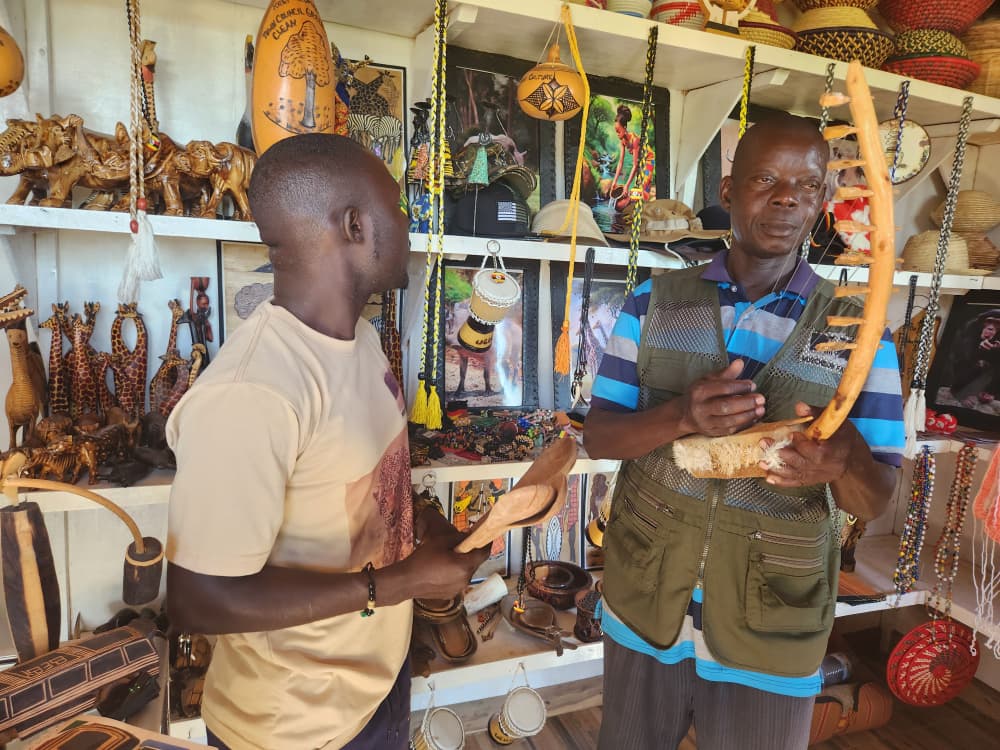
The programme is unlocking economic opportunities by providing grants to strengthen production and skills development. Many of these associations specialise in cultural crafts and performances, which are increasingly attracting buyers—especially with rising tourism and economic activity linked to oil developments around Murchison Falls National Park.
Community groups such as Boomu Women’s Handicraft Production Centre, Pakwach Art and Craft Association, Mubaku Sounds of the Nile Adungu Group, Tubehamwe Women’s Group, and Can Ber Ki Meyo Group are already benefiting from this growing market.
By producing and selling handmade items to tourists, oil workers, and other visitors, these groups are turning cultural heritage into a sustainable source of income while preserving their traditions.
Several groups have also secured dedicated operational spaces. The Pakwach Art and Craft Association now operates from Tangi Gate, while the Mubaku Sounds of the Nile Adungu Group has established a base near the bridge—supporting over 150 direct beneficiaries.
Since 2023, the Heritage Education Programme has trained 188 teachers and cultural resource persons, including 108 in Nwoya and Gulu, and 76 in Buliisa District. This has led to the establishment of 70 school heritage clubs with more than 2,500 members across the two districts.
The clubs have also participated in national Music, Dance, and Drama competitions at the district level, where top-performing schools receive cash prizes, instruments, and costumes. Additionally, more than five schools have established mini museums as learning centres to preserve and showcase local culture.
