

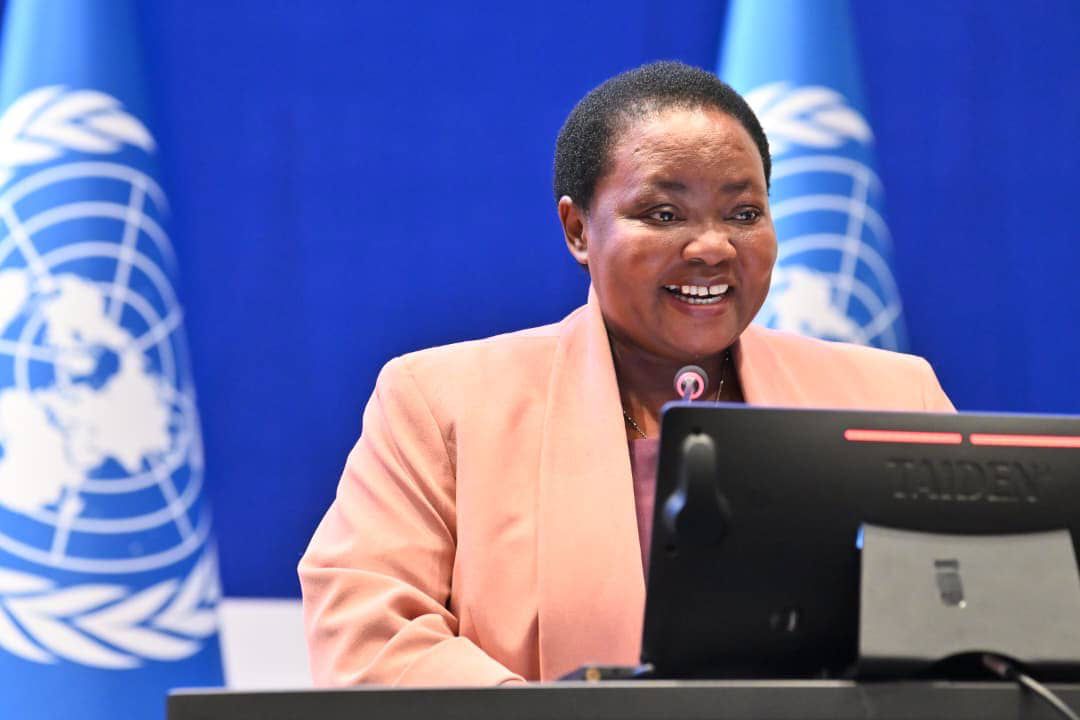
Prime Minister Robinah Nabbanja has called for urgent reforms to reduce the cost of doing business across Africa, warning that high operational expenses continue to slow economic transformation and sustainable development.
Nabbanja made the remarks on Tuesday while opening the 12th Africa Regional Forum on Sustainable Development at the United Nations Economic Commission for Africa, where she highlighted progress and challenges in advancing the continent’s development agenda.
She urged African countries to strengthen the link between peace and development, while fully leveraging the African Continental Free Trade Area (AfCFTA) to boost intra-African trade and industrial growth.
“We need to continue prioritising the link between peace and sustainable development, take full advantage of the African Continental Free Trade Area, and strengthen the enablers of development by reducing the cost of doing business,” Nabbanja said.
The Prime Minister, who also serves as Chairperson of the Bureau of the 11th Africa Regional Forum on Sustainable Development, outlined progress made over the past year, including improved alignment of national development plans with the Sustainable Development Goals (SDGs) and expanded data systems to support evidence-based planning.
“As Chairperson of the Bureau of the 11th Africa Regional Forum on Sustainable Development, I outlined the successes achieved over the past year, including strengthening alignment of national development plans with Sustainable Development Goals, and expanding data systems for evidence-based planning,” she said.
Nabbanja also commended State Minister for General Duties Justine Lumumba and technical teams at the Office of the Prime Minister for what she described as a successful one-year tenure.
The high-level forum brings together policymakers, development experts and partners to review Africa’s progress on SDG implementation and to propose strategies to accelerate delivery ahead of global targets.
Nabbanja’s remarks come amid growing calls for African governments to address structural barriers—such as high energy costs, limited access to affordable financing and logistical inefficiencies—that continue to affect business competitiveness across the continent.
