

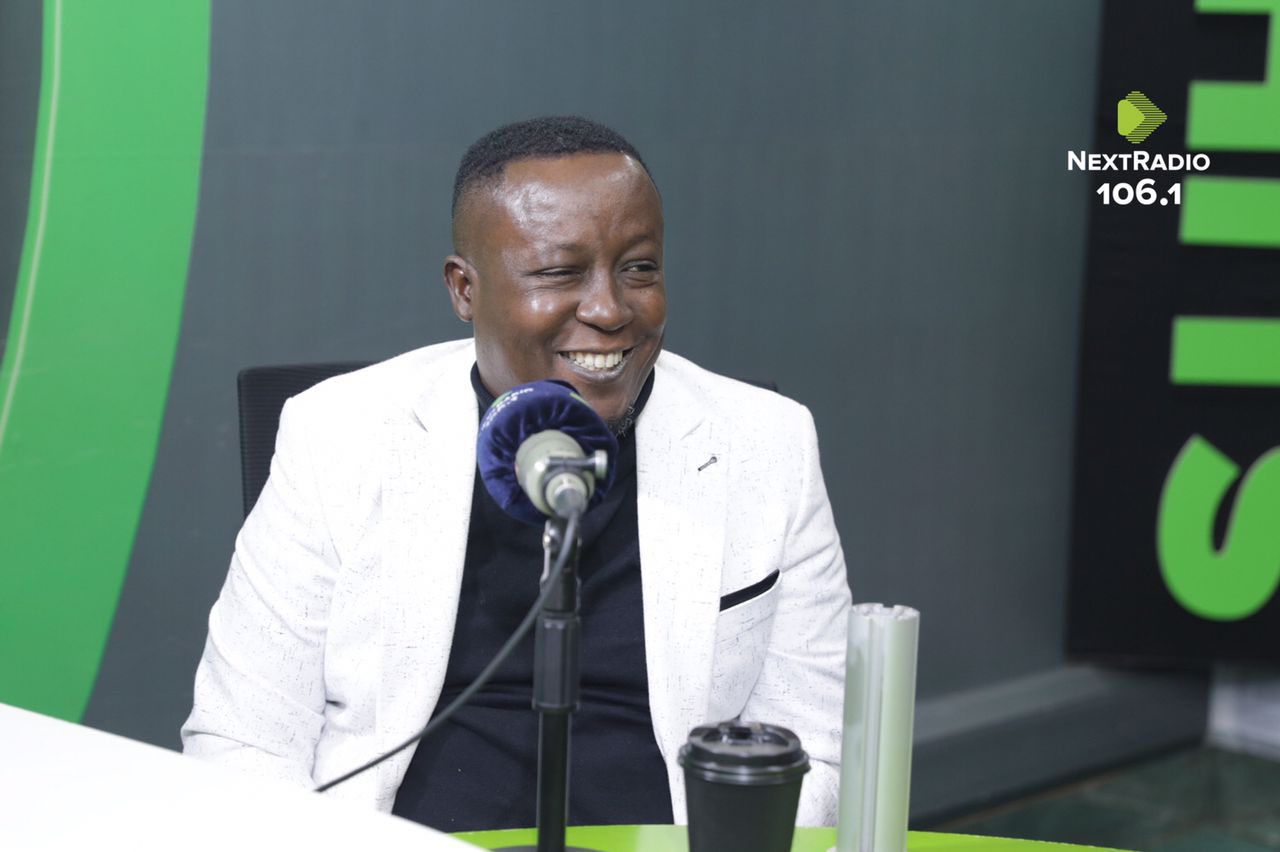
Former presidential candidate Joseph Kiiza Kabuleta has raised sharp concerns about the authenticity of political dialogue in Uganda, arguing that what is often described as “national dialogue” is, in reality, a negotiation of power rather than a pathway to meaningful reform.
Speaking to Canary Mugume during Next Big Talk hosted by Next Radio on Saturday, Kabuleta questioned both the intent and effectiveness of post-election engagement between political actors.
“I don't believe we have it in our psyche, or even as Africans, to actually build dialogue. What people call dialogue is simply people coming together to see who's willing to work together and how jobs are distributed — basically negotiating terms of surrender,” he said.
Kabuleta further argued that true negotiations for peace are often driven not by goodwill, but by leverage.
“They say you can't negotiate peace unless you demonstrate that you have the ability to disrupt it. The reality is that there's no real dialogue,” he said.
Kabuleta’s remarks come at a time when Uganda is navigating a tense post-election environment marked by increasing calls for national dialogue.
Opposition leaders continue to challenge the credibility of the electoral process, demanding reforms, accountability, and guarantees of political freedom.
Among the most prominent voices is former National Unity Platform (NUP) presidential candidate, Robert Kyagulanyi Ssentamu, popularly known as Bobi Wine, whose absence from the country since shortly after the polls has drawn attention. He has currently engaged in international activities abroad.
While some reports suggest quiet but intensive negotiations between NUP and the government to facilitate his safe return, the party has publicly denied the existence of such talks.
Meanwhile, the government maintains that NUP is not under attack, insisting that stability and national development remain top priorities.
Despite mounting calls for reconciliation, skepticism remains widespread among sections of the public. Critics question whether proposed dialogue initiatives will lead to tangible reforms or merely serve as symbolic gestures to ease post-election tensions.
Kabuleta echoed this sentiment, noting that dialogue in Uganda typically emerges only after elections to “calm temperatures,” before political actors revert to the status quo.
“Talk of dialogue usually comes after elections… and later people go back to normal life,” he said.
Religious leaders and elder statesmen have also stepped in, urging both the government and opposition to prioritize national interests over partisan divisions. However, these interventions have yet to produce meaningful breakthroughs.
Kabuleta further highlighted what he described as a growing leadership vacuum in the country, claiming that potential leaders are systematically sidelined.
“There's a large group of Ugandans looking for a real leader and tired of how the country is being governed, but somehow there's been a deliberate process of removing all would-be leaders,” he said.
Kabuleta emphasized that diplomacy remains a specialized skill, suggesting that not all political actors possess the capacity to navigate complex negotiations effectively.
In his assessment of opposition politics, Kabuleta pointed to the unique influence of Bobi Wine, comparing him to veteran opposition figure Kizza Besigye.
“One thing that makes Bobi Wine dangerous — even more dangerous than Dr. Kizza Besigye as an opposition person — is that he's managed to build a certain cult following. That's what scares the people in power.”
As Uganda awaits clearer signals from key political actors, the central question remains whether both the government and opposition are willing to create the conditions necessary for a sustainable political resolution.
With previous attempts at dialogue yielding mixed results, the prospect of meaningful compromise remains uncertain.
For now, national dialogue stands as both a hopeful possibility and a contested concept—one that may either bridge political divides or reinforce existing stalemates.
