

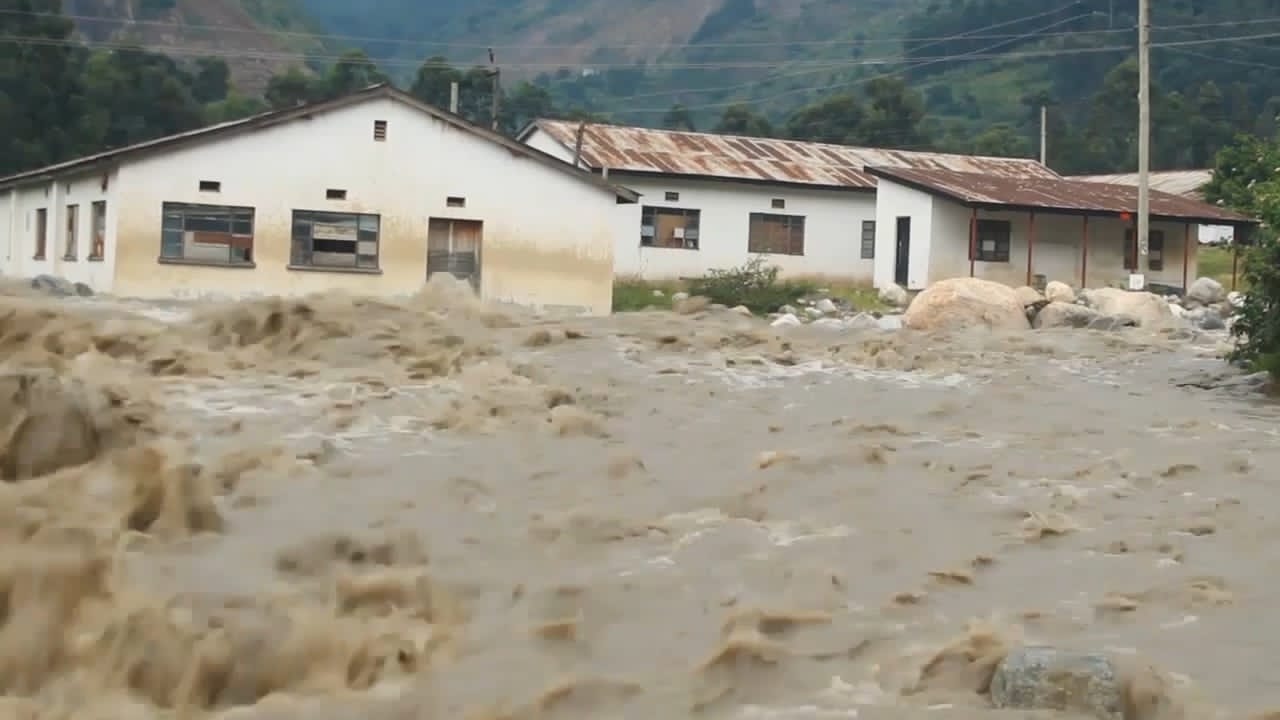
Authorities in Kasese District have intensified disaster preparedness measures as the rainy season begins, urging residents in high-risk areas to consider early evacuation to avoid potential loss of life and property.
Leaders have particularly warned communities living along riverbanks, especially near River Nyamwamba, to remain vigilant, noting that the area remains highly vulnerable to flooding whenever heavy rains set in.
The onset of the rainy season is historically one of the most dangerous periods for disaster occurrence in Kasese, often characterized by rising water levels, soil instability and flash floods.
Past incidents have seen River Nyamwamba burst its banks, sweeping away homes, farmlands and critical infrastructure in low-lying and mountainous communities.
Authorities say the increasing unpredictability of weather patterns, including early and intense rainfall, has heightened the risk this year, making preparedness and early response crucial.
Mustafa Kikusa, the Kasese District Disaster Committee Chairperson, says continuous monitoring is already underway.
“We are closely following the five-day weather forecasts to guide our planning and ensure that communities receive timely alerts. People in high-risk areas should not wait for disasters to happen before acting,” Kikusa said.
He emphasized that early warning systems are being strengthened to ensure residents are informed in advance about potential flooding risks.
“Our teams are on the ground working with local leaders to sensitize communities. The message is clear — early evacuation can save lives,” he added.
Meanwhile, government is advancing long-term measures aimed at addressing the persistent flooding of River Nyamwamba.
A comprehensive master project estimated at over 350 billion shillings is in its final planning stages, with key processes such as consultations, feasibility studies and design already completed.
“The long-term solution is underway. This project will help us manage the river and reduce the impact of floods, but as we wait for its implementation, communities must remain cautious,” Kikusa noted.
District authorities maintain that while structural interventions are important, immediate safety lies in proactive community action, including voluntary relocation from high-risk zones.
As the rains intensify, residents are being reminded that preparedness and early decision-making remain the most effective tools in preventing disaster-related losses.
