

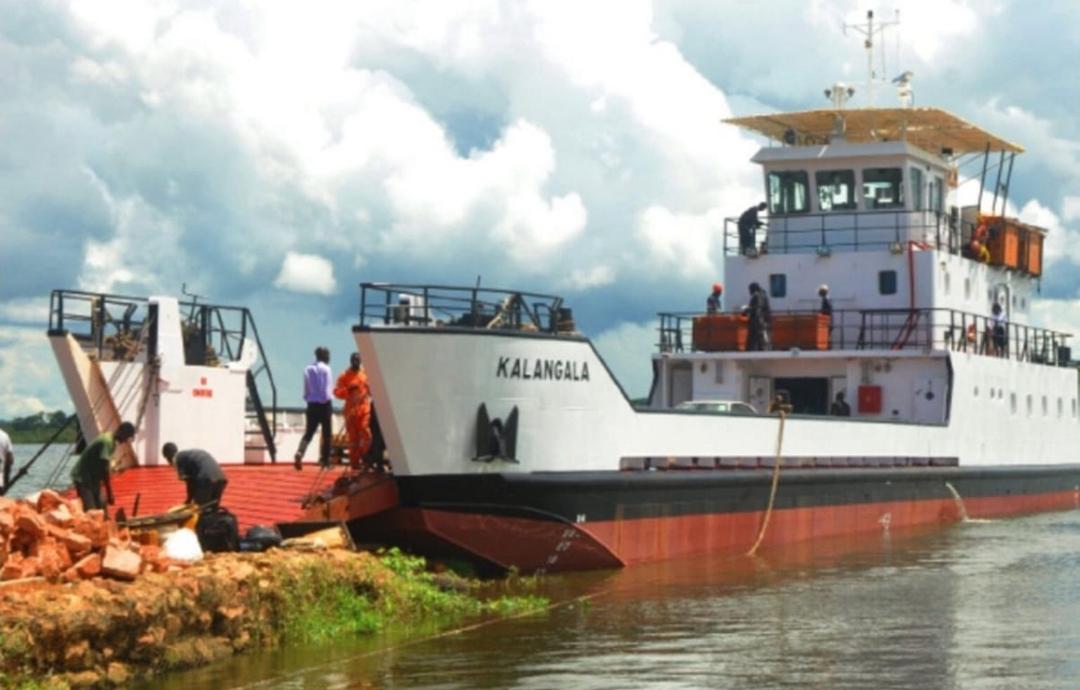
Residents of the Ssese Islands in Kalangala District continue to face significant challenges due to limited and often risky water transport services, despite the area’s heavy reliance on boats for movement and trade.
Uganda is endowed with an extensive network of lakes and rivers, making water transport one of the most affordable means of travel and a potential driver of economic development. However, the sector remains largely underdeveloped and underutilised.
The Ssese Islands, which comprise 84 islands — 64 of them inhabited — are home to an estimated population of about 70,000 people. For many residents, boats are the primary mode of transport, yet safety concerns persist, with several accidents reported over the years.
In a bid to ease mobility challenges, government introduced the vessel MV Kalangala alongside ferries MV Pearl and MV Ssese. However, the ferries mainly serve Buggala Island, leaving residents on the remaining islands to rely on private boats and other informal transport options.
According to Joseph Mulindwa, spokesperson for Kalangala Infrastructure Services, the water transport sector has not received adequate attention despite its importance to island communities.
Boat operators also highlight operational challenges. Captain Godfrey Ayeyisiga, who commands MV Ssese on the Bukakata–Luku route, said many passengers lack awareness about safety regulations, making navigation more difficult.
“Many people using water transport do not understand the rules and safety measures, which makes our work difficult,” he said.
Ferry services currently operate only during the day, with movement halting at night once scheduled trips are completed. Operators cite risks such as poor weather conditions and non-compliance by some passengers as major concerns.
However, hope was raised when Yoweri Kaguta Museveni reportedly directed during his campaign visits to the islands that ferry services should begin operating at night to improve mobility and boost business.
Residents believe night operations could significantly transform livelihoods. “We believe night transport will improve movement and boost business on the islands,” said Bukakata resident Andrew Matovu.
Although ferry services are offered free of charge and transport both passengers and cargo, operators say some users disregard regulations, creating safety risks. Community members also enforce local rules strictly, sometimes leading to tensions.
Historically, the Kalangala–Masaka water route was a vital transport corridor. At Lambu landing site, Uganda’s first major dock once handled vessels from Tanzania before it was destroyed by floods in 1970.
Today, only remnants such as old anchors and storage structures remain — silent reminders of a once-thriving water transport hub that residents hope can be revitalised.
