

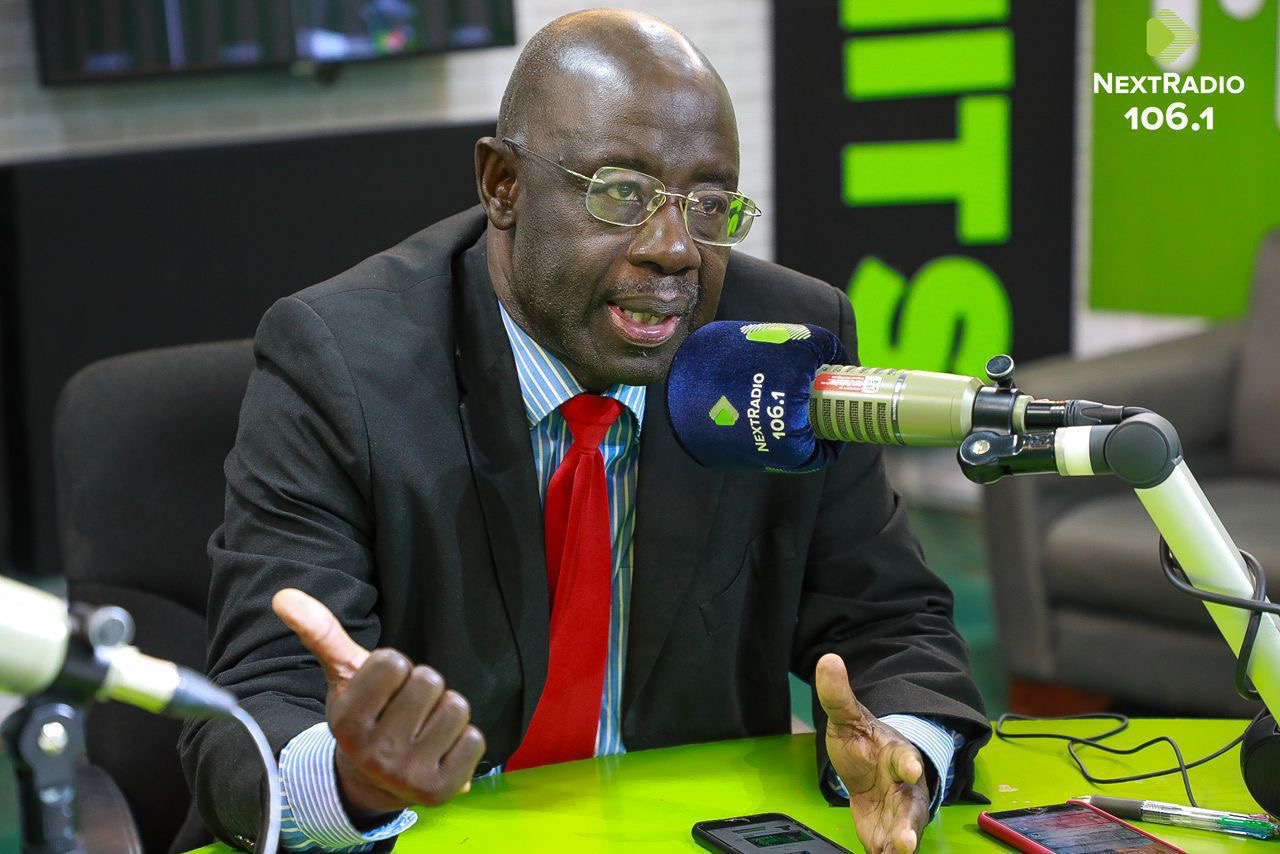
Political analyst Joseph Pintyek Ochieno has raised concerns about Uganda’s evolving political culture following the January 2026 general elections, urging opposition actors to strengthen organisation and demonstrate greater political statesmanship.
Speaking during an exclusive interview on NBS Television, Ochieno said it may still be too early to fully judge the actions of former National Unity Platform presidential candidate Robert Kyagulanyi Ssentamu, who recently announced a temporary departure from Uganda after weeks in hiding.
He noted that Kyagulanyi would likely argue he had been operating under pressure during the post-election period.
However, Ochieno said the situation reflects broader concerns about democratic norms and political conduct in the country.
According to the analyst, Uganda’s political culture appears to be shifting away from traditions of reconciliation and statesmanship that once characterised transitions following elections.
He referenced historical accounts surrounding the 1980 election that brought Milton Obote of the Uganda People’s Congress to power, noting that despite political differences, Obote was said to have celebrated with former president Godfrey Binaisa after assuming office.
Ochieno questioned what lessons current political actors are passing on to future generations, emphasising the need to strengthen democratic traditions.
He argued that while Kyagulanyi represents one political party, the wider opposition must reflect on its collective role in shaping the country’s political direction.
Ochieno also called on Kyagulanyi to establish a more structured leadership framework capable of functioning as an alternative government, saying such an approach could help mobilise broader public support and present a clearer policy direction.
However, he acknowledged that political realities, including the level of civic space available, may influence how effectively opposition forces can organise.
In a video shared on social media, Kyagulanyi said he would spend several weeks outside Uganda engaging members of the diaspora and the international community on issues related to the election outcome.
During his absence, he appointed Lina Zedriga Waru as acting president of the National Unity Platform.
Kyagulanyi, who has rejected the election results, has accused the Electoral Commission of Uganda of manipulating the process, including announcing results without the mandatory Declaration of Results forms—claims that authorities say are unsubstantiated.
Government officials have repeatedly dismissed allegations of political persecution. The Minister for ICT and National Guidance, Chris Baryomunsi, said the state has no intention of arresting or harming the opposition leader.
Prime Minister Robinah Nabbanja also urged Kyagulanyi to return home, while security agencies maintain that deployments around his Magere residence are intended to prevent public disorder.
According to official results released by the Electoral Commission, incumbent President Yoweri Museveni of the National Resistance Movement was declared winner with 7,946,772 votes, representing 71.65 percent of valid votes. Kyagulanyi received 2,741,238 votes, accounting for 24.72 percent.
