

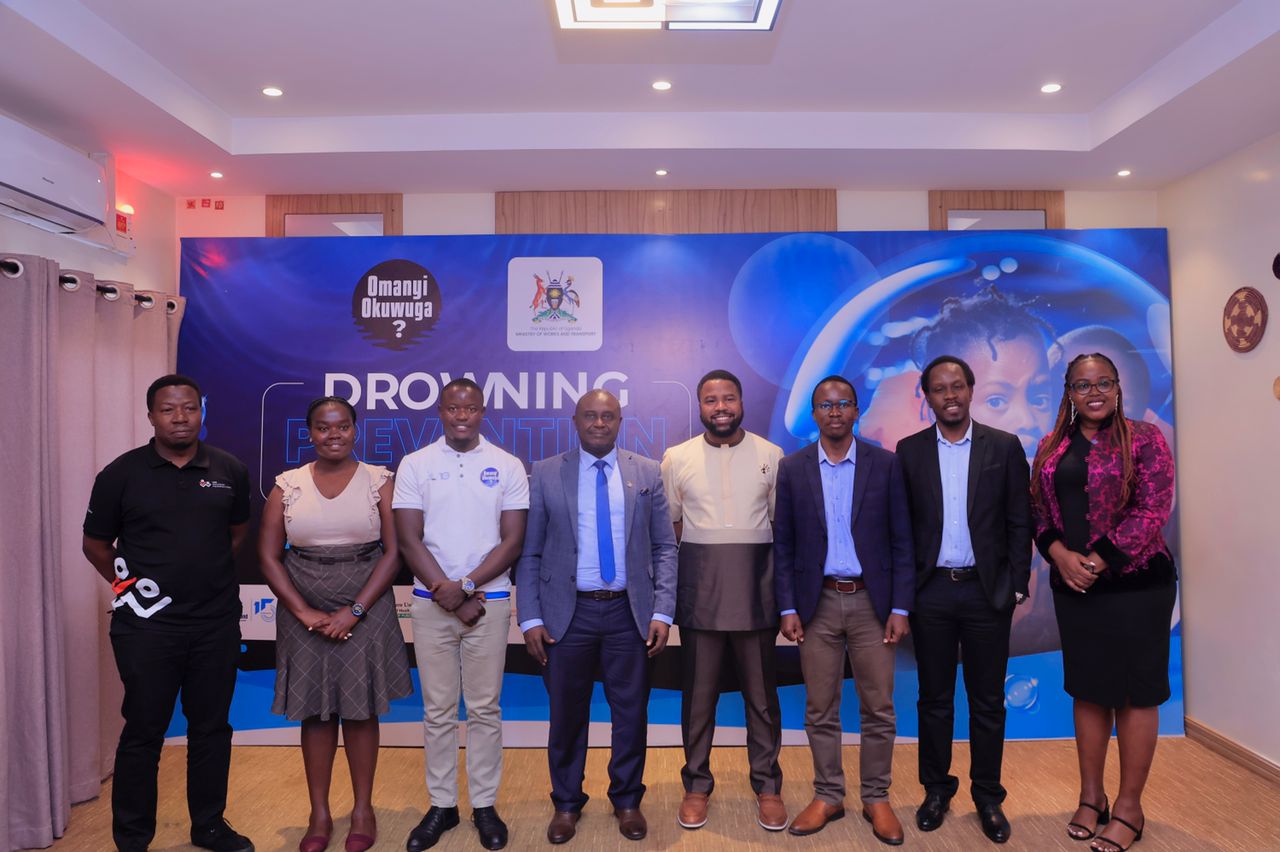
As Uganda marks Drowning Prevention Week under the theme "Tulwanyise Okubbira" (Let’s Prevent Drowning), key stakeholders have raised the alarm over the high cost of life jackets, warning that unaffordability is fueling the country's rising drowning toll.
During a press briefing organised by Reach A Hand Uganda (RAHU), stakeholders from civil society, academia, and government pointed to the steep prices of life jackets as a major barrier to safety on Uganda’s waters, especially for low-income earners such as fishermen and small-scale transporters.
“Of course, with the product, you have the challenge of the cost. Many life jackets cost way beyond what fishers can afford between 80,000 to 200,000 shillings but most fishers will typically want to spend about 30,000 or even less,” said Lawrence John Okoth from Design Without Borders, an organization working directly with local communities to design safety solutions.
He added that while affordability remains a core issue, behavioral challenges like overconfidence also contribute to non-usage.
“Many of us think we don’t need life jackets until the situation becomes dangerous unfortunately, by then, it’s too late,” he said.
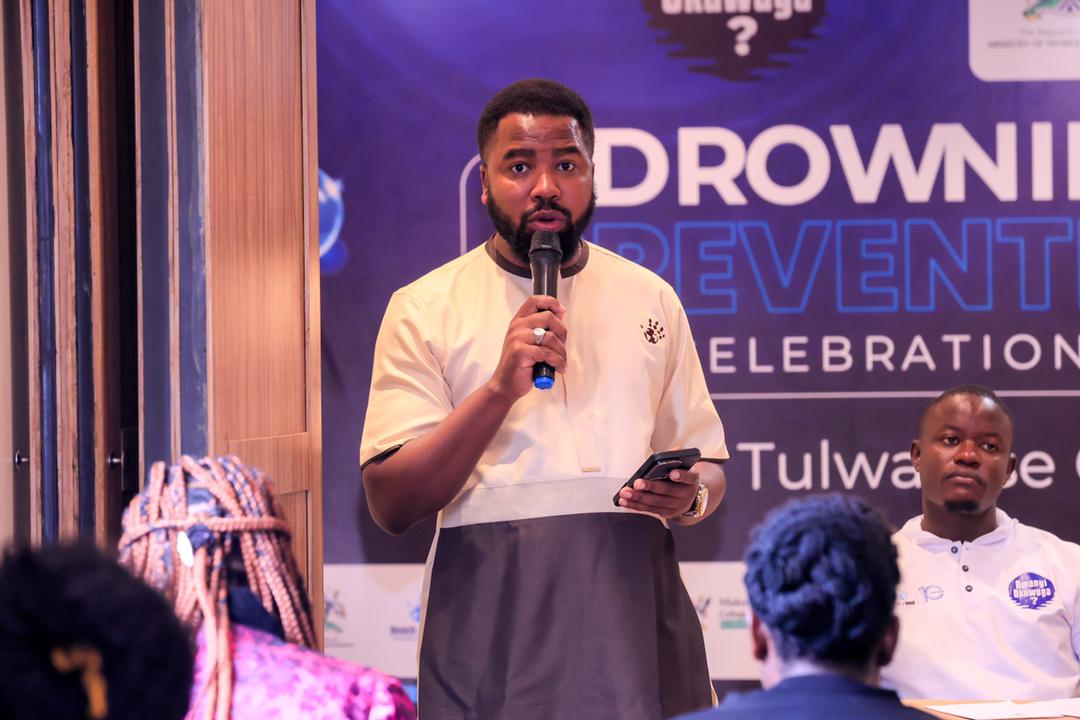
Dr. Fredrick Oporiah, head of the Trauma, Injury and Disability Unit at Makerere University School of Public Health, emphasized the deadly consequences of not wearing life jackets.
“Over 95% of those who drowned were not wearing life jackets,” Dr. Oporiah said.
“People say ‘the water was hungry,’ or ‘it was God’s will.’ But drowning is not an act of God it is 100% preventable.”
He blamed public mistrust in substandard gear for the poor usage rates and cited a study by Makerere University that revealed most locally available life jackets failed safety tests, with many sinking in under six hours well below the international safety benchmark of 72 hours.
Dr. Oporiah also warned that the true extent of drowning in Uganda is grossly underreported.
“If we recorded all cases, Uganda would likely rank among the highest drowning rates in the region,” he cautioned, calling for stricter gear regulations, mandatory swimming lessons, and national investment in drowning prevention.
Emmanuel Balinda, Drowning Prevention Project Manager at Reach A Hand Uganda (RAHU), echoed these concerns and stressed the urgency of building local capacity.
“We are working under the Ministry’s leadership to bring these lifesaving skills closer to vulnerable communities,” Balinda said.
“Lack of awareness, poor weather forecasting, and the absence of structured swim programs are putting lives at risk," he added.
RAHU has responded by installing community swimming pools and piloting training in high-risk communities. Its Survival Swimming Program focuses on two key skills;floating for 30 seconds and swimming 25 meters crucial for survival during water emergencies.
Despite growing awareness, the cost of life-saving gear remains a heavy burden.
According to Charles Okao, media coordinator at Global Health Advocacy Incubator, this has turned a preventable issue into a silent public health crisis.
“We keep on mentioning 3,000 people. But if we go by what Dr. Oporiah shared, drowning is silently killing more people than malaria in some regions,” he said.
He added that overreliance on donors has delayed meaningful intervention.
“What’s needed is sustainable, government-backed prioritization. If we value the lives of our youth, we must act collaboratively and from a multi-sectoral approach.”
Government acknowledged the challenges, pledging stronger coordination and funding.
Charles Ruzigye, Assistant Commissioner at the Ministry of Works and Transport’s Maritime Department, admitted that drowning has long been “under-recognized” as a major health issue.
“Annually, we lose close to or even more than 3,000 people to drowning these are alarming figures,” Ruzigye said.
He announced that a National Drowning Prevention Strategic Plan has been finalized to guide interventions, resource mobilization, and collaboration across government agencies and civil society.
“This strategic plan will support us in guiding interventions and in how we raise resources. Government is going to continue supporting multi-sectoral initiatives to prevent drowning,” he said.
