

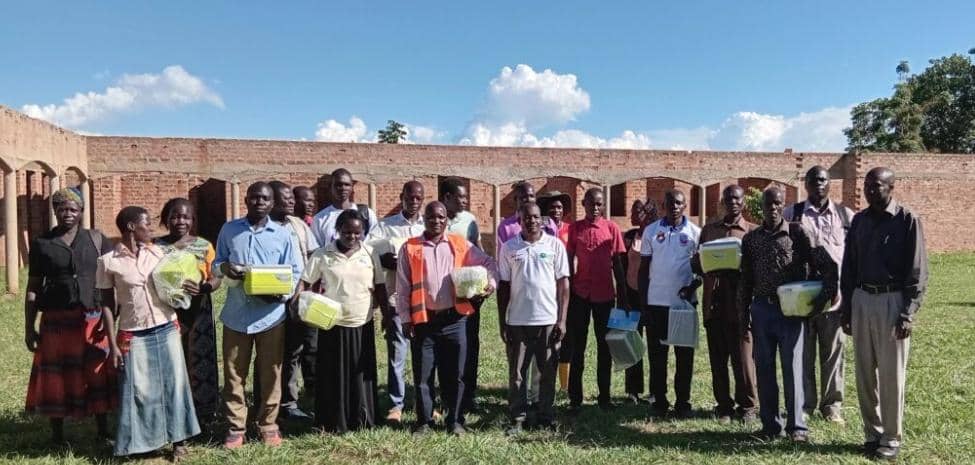
A fresh wave of hope has been ignited among local farmers in Amolatar District, thanks to a comprehensive poultry management training organized by Facilitation for Peace and Development (FAPAD).
The two-day program, held earlier this week, brought together farmers from various parts of the district with a mission to transform poultry farming into a practical path out of poverty.
The training, which took place at the Amolatar District headquarters, was crowned with remarks from Mr. Peter Olum , the district veterinary officer.
He described poultry farming as a powerful tool to lift households out of poverty and strengthen food security.
“When properly managed, poultry farming can be a sustainable source of income and nutrition,” Mr. Olum said. “It is not just about raising birds; it's about building resilient households and communities.”
He urged participants to fully apply the knowledge and skills they had gained, noting that successful adoption of improved poultry practices could inspire widespread economic change within the district.
Mr. James Auna, FAPAD’s coordinator in Amolatar, emphasized the broader impact of the training, stating that participants are now in a unique position to lead change in their communities.
“Your success can motivate others. By increasing poultry production, you can create ripple effects—improving livelihoods, increasing household incomes, and fostering community resilience,” Auna told the farmers.
A major highlight of the program was a hands-on demonstration by Mr. Sam Otema , a technical trainer who guided farmers through poultry vaccination techniques. He stressed the importance of biosecurity and proper vaccination protocols.
“Always ensure your poultry house is clean before administering vaccines,” Mr. Otema advised. “Avoid mixing different vaccines on the same day, as this can stress the birds and compromise their immunity.”
To further support the farmers, FAPAD provided vaccine carriers and poultry vaccines free of charge, equipping them with immediate resources to put their training into action.
Peter Edonu , one of the farmers trained, expressed deep appreciation for the program. “The knowledge I’ve gained here will change how I manage my birds,” he said. “I’m committed to sharing what I’ve learned with my group and neighbors.”
Similarly, Judith Atim, a mother from Awelo Sub-county, shared a testimony of how poultry farming had already transformed her life. With over 50 chickens, she has been able to pay school fees and meet her family's basic needs.
“This training has come at the right time. I now feel more confident and prepared to expand my poultry business,” she said, thanking FAPAD for the timely support.
FAPAD’s initiative is part of a broader effort to integrate agriculture into rural development strategies, promoting not just production but also knowledge transfer, community engagement, and long-term sustainability. With strong collaboration from local government and veterinary experts, the district is laying a solid foundation for economic growth through small-scale poultry farming.
The training aligns with Uganda’s national goals to improve agricultural productivity and create alternative income sources for rural populations.
As the trained farmers return to their villages, the hope is that they will serve as change agents, helping others adopt poultry farming as a reliable, low-cost enterprise.
With the right support and continued guidance, Amolatar could soon become a model district for community-driven agricultural transformation.
