

The Ugandan government and other stakeholders have been urged to incorporate sexual and
reproductive health rights (SRHR) into national climate change policies and plans to reduce
the risks of sexual violence against girls and women in rural communities.
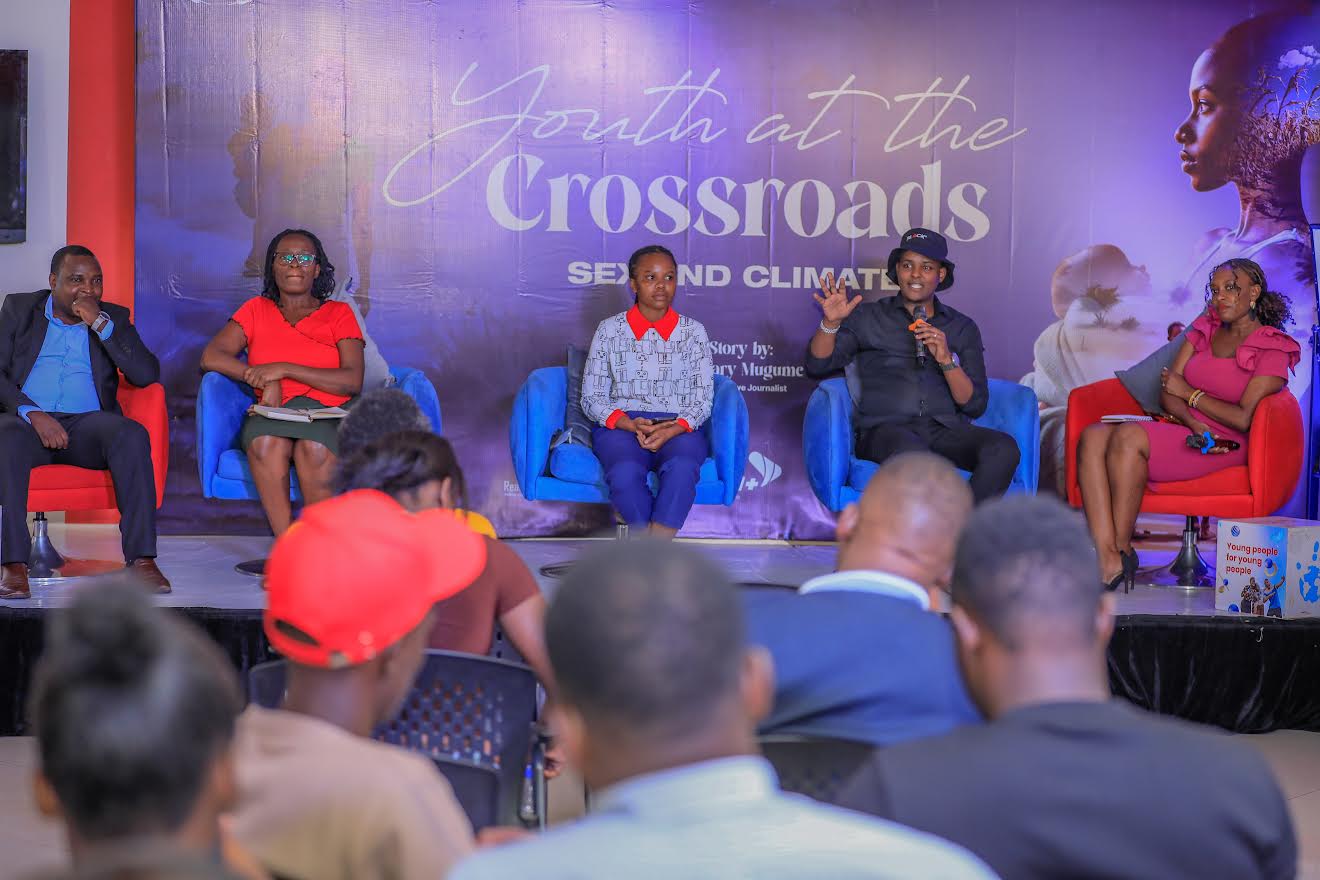
The call was made by Reach A Hand Uganda(RAHU) during the premiering of a documentary titled " Youth at the crossroads; sex and climate at the American Centre in Kampala.
The documentary , produced by Sauti Plus Media Hub with support from the Hewlett Foundation highlights the status quo of sexual reproductive health in the Apodorwa
and Nyamahasa villages of Kiryandongo district.
It highlights how climate-related disruptions like drought have contributed to high school
dropout rates among girls and exposed them to greater risks of sexual violence since girls
and women bear the responsibility of securing natural resources for household domestic
use.
Speaking during the premiering, Reach A Hand Uganda’s Country Director, James Tumusiime, said, the documentary resulted from community stakeholder engagements they were holding in the districts of Kiryandongo, Yumbe, and Kasese.
"During the community engagements, we encountered sociocultural norms and narratives that heavily contribute to the barriers against the achievement of reproductive health rights – especially for girls and young women," Tumusiime said.
He noted that through the documentary, the organisation is seeking to highlight the impact
of the lack of legislation and inadequate access to SRHR services and information while
encouraging key stakeholders to proactively advocate for progressive policies and strategies
around issues like sexual violence, teenage and unplanned pregnancies, and more.
While addressing the panel discussion, Agnes Ssebowa from the Ministry of Health’s Adolescent Health Department remarked that while teenage pregnancies are prevalent, there has also been a surge in urogenital infections driven by poor menstrual hygiene due to the limited access to clean water in rural communities.
Also on the panel was Raymond Ruyoka from Youth Advocacy and Development Network
Uganda (YADNET), Muyama Shaima Kemigisha – a youth advocate, and Canary Mugume –
a journalist.
YADNET’s Ruyoka encouraged the generation of adequate data about climate change that
is locally generated for dissemination to young people in rural communities through mass
media platforms like radio towards influencing policies.
The event culminated in the presentation of a paper highlighting the need for specific actions
from government and relevant stakeholders including; adopting a multisectoral approach to addressing climate change and SRHR; incorporating climate justice and SRHR into school curricula; improving data collection on climate change and its impact on youth; strengthening community resilience and support systems; investing in youth-led climate justice initiatives and; global and local partnerships for contextual climate solutions.
