

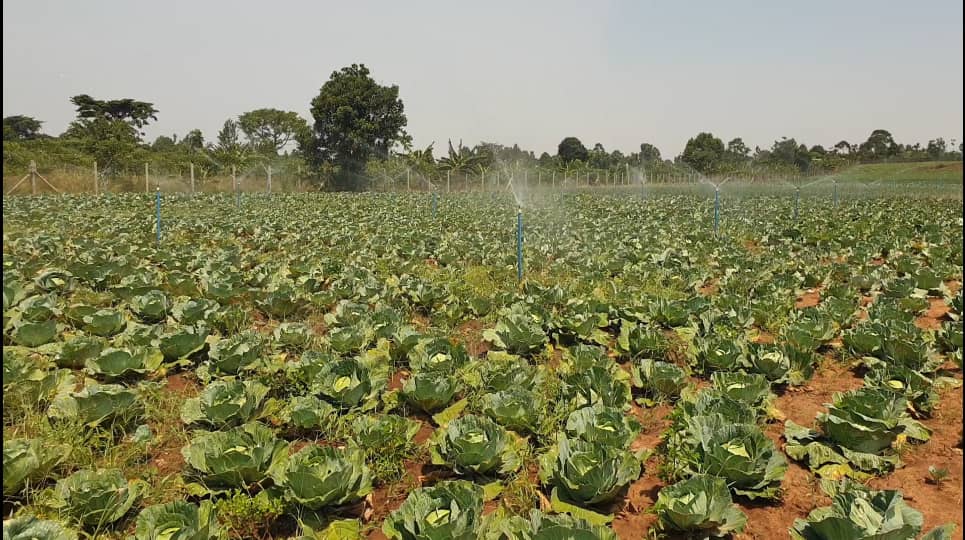
Leaders from Namayingo and Amuria districts are advocating for the widespread adoption of micro scale irrigation as a crucial strategy to eradicate poverty in the country.
Reports indicate that farmers in these districts are experiencing significant economic gains, with some earning close to shs10 million monthly through various projects.
The call for government intervention in micro scale irrigation aligns with the success stories emerging from agricultural initiatives.
John Bwire, a resident of Namayombe village in Buhemba sub county, is among the successful farmers reaping the rewards of micro scale irrigation under the Ugift program in the Eastern region.
Supported with irrigation equipment worth shs17 million , Bwire cultivates maize, beans, tomatoes, and bananas on his 10-acre piece of land, ensuring year-round harvesting.
Additionally, he has embraced dairy farming with eight cows, generating a daily income of about five hundred thousand shillings.
"Micro scale irrigation has transformed my farming activities, providing a consistent source of income throughout the seasons," Bwire says, highlighting the positive impact of the program.
Empowered with knowledge on mixed farming, Bwire's success story extends beyond crops to include dairy farming.
The combination of crop cultivation and dairy farming has significantly boosted his overall income, showcasing the potential for diversified success through micro scale irrigation.
"I opted for dairy farming alongside crops, creating a sustainable source of income. The benefits are evident in my daily earnings," he adds.
Edith Namayega, the Chief Administrative Officer of Namayingo district, recognizes Bwire's success as a testament to the effectiveness of the U-gift project.
She notes that Bwire is among the many farmers in the district experiencing positive outcomes through micro scale irrigation.
"John Bwire and others are exemplifying the success of the U-gift project, showcasing how micro scale irrigation can uplift livelihoods," Namayega states.
In Amuria district, leaders under the Ugift Phase II program are establishing demonstration sites to educate farmers on the benefits of micro scale irrigation.
While the program is in its early stages, leaders express optimism that it will positively impact lives and contribute to poverty alleviation.
"Though the program is in its initial phases, we are optimistic that micro scale irrigation will bring about transformative change," says Moses Emabu, the District Chairperson of Amuria.
Of the $500 million received through the Ugift project, close to $200 million has been allocated to agriculture with the specific aim of enhancing food production and improving livelihoods.
The financial commitment underscores the government's dedication to supporting initiatives that have the potential to uplift rural communities and drive economic growth.
As micro scale irrigation proves to be a game-changer for farmers, the call for further investment and expansion of such programs gains momentum, signaling a pathway towards sustainable poverty alleviation and agricultural prosperity
