

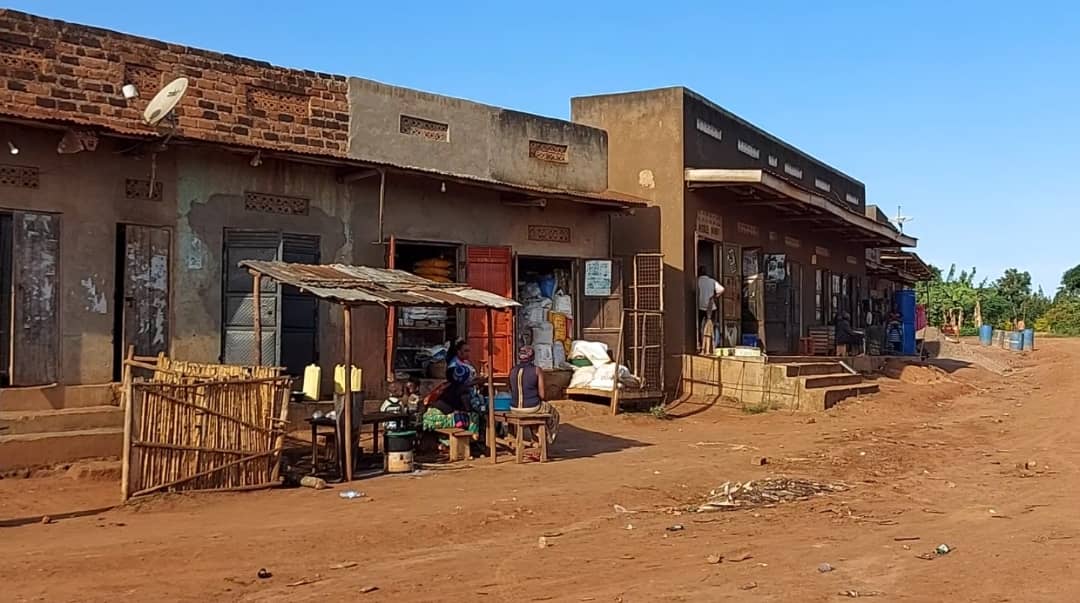
In September 2010, Bukomansimbi was split from Masaka to become a district with an aim of straight service delivery to the people of Bukomansimbi district.
However, whereas the district is now counting 13 years of existence, Bukomansimbi is still grappling with many challenges that are affecting the development of the area and one of them is the power shortage that has seen villages out of the 254 that make up the district live in darkness.
In villages such as Kiryamenvu, Lukuuku, Kabandiiko, Kabangerezza, Kassebweera, Kassebwaavu among others access to electricity is a distant dream.
Many have to walk long distances to reach areas with electricity, where they charge their mobile phones, access modern amenities, and sometimes just bask in the glow of electric light.
These journeys, often undertaken daily, are not just physically taxing but also financially burdensome for families who must allocate their limited resources for transportation.
"We move more than 10 kilometers and above to access electricity in Bukomansimbi town councils, especially when we want maize milling machines to process posho, and coffee millers," one of the locals said.
Locals also said that the lack of electricity in their area affects the education system of Bukomansimbi, as students struggle to study after sunset, hampering their academic progress.
Healthcare facilities are also severely limited, with clinics unable to operate effectively without a stable power supply.
Furthermore, local businesses are held back by the lack of electricity, hindering economic growth and job opportunities.
The development of these 183 villages is at a standstill, primarily due to the lack of electricity.
Industries that could potentially flourish in the area, such as agriculture, cannot benefit from modern machinery and technology.
This impediment prevents the locals from accessing opportunities for growth and prosperity that electricity can bring.
"When you see Kiryamenvu and Nkalwe where electricity stopped it is just 5km and other electricity is at Butayunja and it is just 3km but we don’t know why our villages were left behind. We are very sure that when government extends electricity to our villages, we will easily get it into our houses and development will follow," Matia Kasamittalo, a resident of Kiryamenvu said.
Residents with businesses that need electricity embarked on using solar but they say this expensive and during wet sessions they do not work.
Despite their daily hardships, the resilient residents of Bukomansimbi remain hopeful for a brighter future.
Local community leaders and their representatives in parliament including Geoffrey Kayemba Ssolo(Bukomansimbi South) and Veronica Nanyondo(Woman MP) are rallying for government support to bring electricity to these undeserved areas.
Initiatives are underway to seek funding and partnerships to address this crucial issue.
The 183 villages in Bukomansimbi remain in darkness, fighting for basic access to electricity.
According to them, the absence of this fundamental necessity is not just an inconvenience, it is also a significant barrier to development and progress in the region.
As efforts to bring electricity to these undeserved areas gain momentum, the hope is that one day, the residents of Bukomansimbi will no longer have to traverse long distances in search of light, and their communities will thrive with the benefits of electricity, propelling them into a brighter future.
