

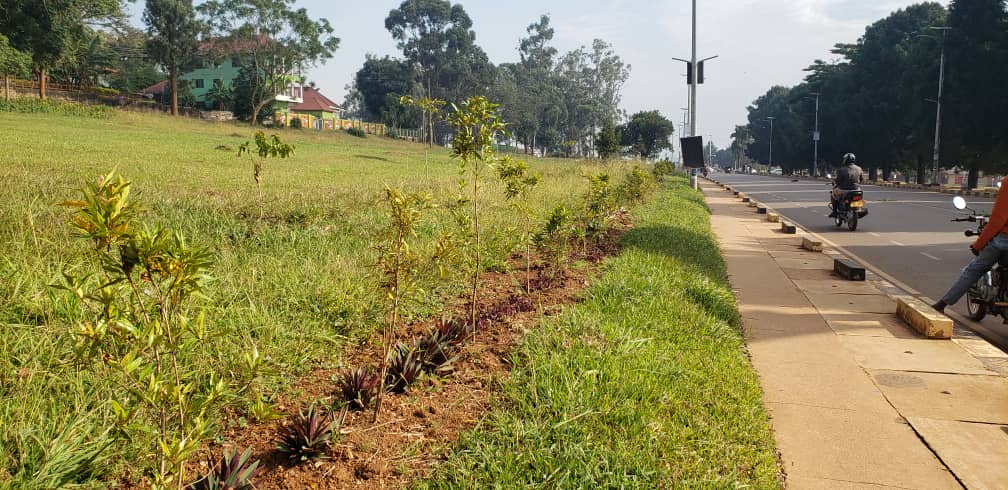
In a surprising turn of events, plans to construct the much-anticipated Masaka City Mall have hit a major setback.
The proposed land for the ambitious project, which was intended to house the city headquarters, has been sold to other individuals, leaving the city without adequate space to proceed with the construction.
During a meeting with Ubuntu Construction Company, the contracted firm responsible for the construction, Dr. Abed Bwanika, the Kimaanya Kabonera Member of Parliament, revealed that the proposed land is no longer under the ownership of Masaka City.
“As leaders we should face the reality that land is now being occupied by other people,” Dr. Abed Bwanika said.
Bwanika further disclosed that the land, which was originally designated for the city headquarters, had been subdivided into three separate titles. Plot 2-10 and Plot 5 were sold to Dr. Kibuuka, while the remaining piece, Plot 16, is all that remains in the city's possession. “ The remaining plot is not enough to house a city headquarter,” Bwanika said.
The severity of the issue arises from the fact that the remaining portion of land is deemed insufficient for the construction of the city headquarters.
Consequently, leaders and residents of Masaka find themselves at odds, pointing fingers at certain officials whom they allege conspired with the land grabbers to unlawfully distribute city land.
Accusations of bribery against these officials have fueled the growing discontent among the community.
As a result, the Masaka City Mall project faces uncertainty, prompting stakeholders to contemplate alternative solutions. While discussions are underway to evaluate available options, addressing the land controversy remains the primary concern for local leaders, who strive to rectify the situation and safeguard the interests of the city and its residents.
The proposed Masaka City Mall had garnered significant excitement among the community due to the potential economic benefits it would bring.
The development was envisioned as a catalyst for growth, attracting businesses, creating employment opportunities, and enhancing the overall infrastructure of the area.
Regrettably, these anticipated benefits now hang in the balance as the city grapples with the unforeseen land controversy.
