

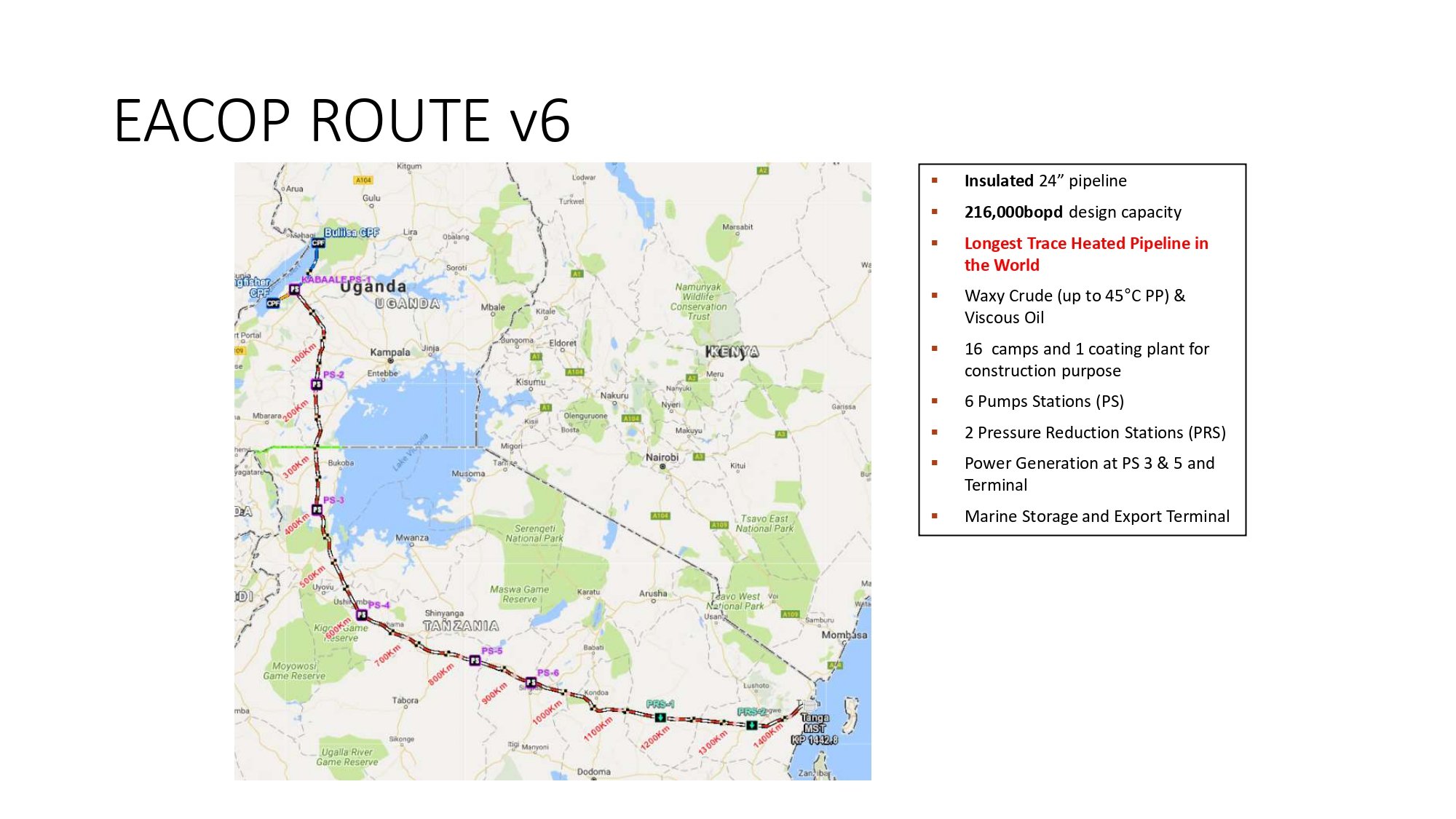
The Human Rights Watch has said Uganda’s East African Crude Oil Pipeline (EACOP) project has devastated thousands of people’s livelihoods and will exacerbate the global climate crisis.
If completed, the East African Crude Oil Pipeline (EACOP) project will have dozens of well pads, hundreds of kilometers of roads, camps and other infrastructure, and a 1,443-kilometer pipeline connecting oilfields in western Uganda with the port of Tanga in eastern Tanzania.
According to a 47 page report titled “ Our trust is broken; loss of land and livelihoods for oil development in Uganda”, Human Rights Watch says whereas 90 percent of people who will lose land to the project have received compensation from TotalEnergies EP Uganda, the project has suffered from multiyear delays in paying compensation and inadequate compensation.
“EACOP has been a disaster for the tens of thousands who have lost the land that provided food for their families and an income to send their children to school, and who received too little compensation from TotalEnergies,” said Felix Horne, a senior environment researcher at Human Rights Watch. “
EACOP is also a disaster for the planet and the project should not be completed.”
Based primarily on over 90 interviews that Human Rights Watch conducted in early 2023, including with 75 displaced families in 5 districts of Uganda, the report indicates that the impact of multiyear delays has been compounded by unclear communications as to whether farmers can continue to use the land to harvest coffee, bananas, and other cash crops in the interim.
“Consequently, the land acquisition project has caused severe financial hardships for thousands of Ugandan farmers, including heavy household debt, food insecurity, and an inability to pay school fees, causing many children to drop out of school. Farmers said they felt pressured to sign compensation agreements in English, a language many of them cannot read, and many described being offered cash instead of the option of replacement land in line with international standards. Unkept promises about grave relocation and an improvement in the quality of life that was promised in the many early meetings extoling the virtues of EACOP have eroded trust between communities and TotalEnergies,” Human Rights Watch said in the report.
The report however quotes TotalEnergies in a June, 15 letter to Human Rights Watch, saying they “continue to pay close attention to respecting the rights of the communities concerned.”
TotalEnergies provided detailed responses underscoring their view that compensation offered was in accordance with IFC standards.
The French company rejected allegations that pressure was applied to people to sign and outlined why in their view that compensation provided met the requirement of “full replacement cost.”
