

Health specialists from Mulago National Referral Hospital and the Uganda Cancer Institute have raised concern over the growing mental health burden among cancer patients, caregivers, and health workers, warning that many people battling cancer are silently sinking into depression, anxiety, and emotional trauma.
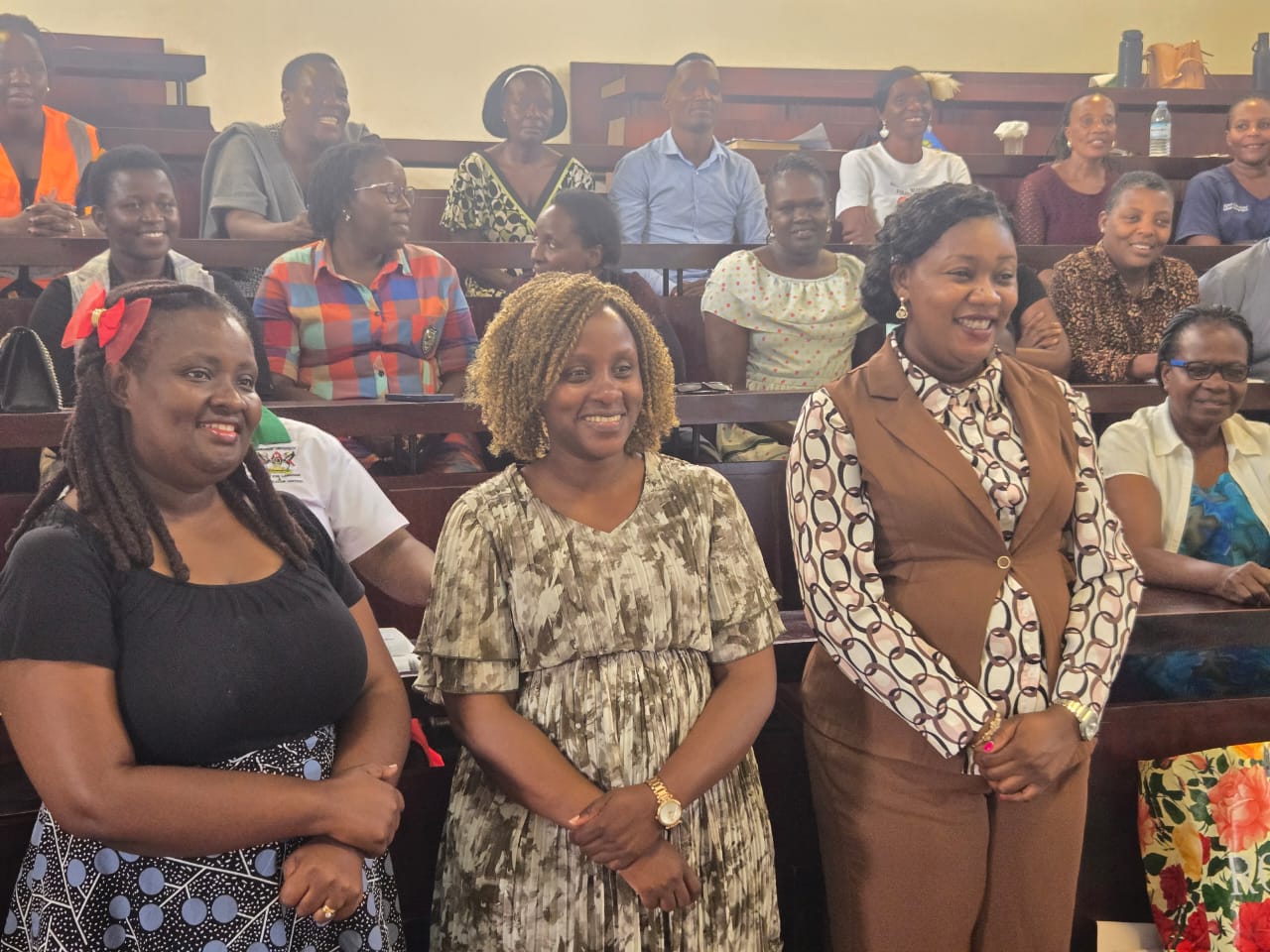
The concerns were raised during a week-long interpersonal group therapy training conducted for health workers, palliative care teams, social workers, volunteers, and cancer survivors involved in cancer care.
Dr. Rachel Kansiime Kanyangabo, a clinical psychologist and psycho-oncologist, and founding president of the Association of Psycho-Oncologists of Uganda, said cancer treatment should not only focus on the physical illness because the disease also has profound emotional and psychological effects.
“Cancer as a disease does not only affect the physical being of patients. Patients with cancer are more prone to depression and anxiety and other mental health challenges because, as an illness, it takes a toll not only on the patient but also on the caregivers,” Dr. Kansiime said.
She explained that caregivers often suffer the same emotional distress as patients, especially after witnessing prolonged treatment, painful procedures, and deaths.
“When somebody is taking care of a patient with cancer, they go through the same cycle as the patient,” she said.
She noted that many patients begin experiencing depression immediately after diagnosis because cancer is widely perceived as incurable and associated with death.
“From the time patients are diagnosed with cancer, many become depressed,” Dr. Kansiime said.
She added that chemotherapy side effects, including hair loss, nail discoloration, and physical weakness, further worsen patients’ emotional distress.
“These all contribute to increased levels of depression,” she said.
Dr. Kansiime further warned that emotional distress among caregivers and health workers is becoming a major but largely overlooked challenge.
“We have high rates of anxiety, depression, and even PTSD among healthcare workers who attend to cancer patients,” she said.
“You cannot be attending to patients and every other day you are witnessing deaths and remain the same.”
She described caregivers as “silent patients,” noting that many continue suffering emotionally long after losing loved ones.
“We have people who grieve many years after the patient has died, and prolonged grief is a mental health challenge,” she said.
At the Uganda Cancer Institute, palliative care nurse specialist Dr. Harriet Kebirungi said patients referred for palliative care often arrive emotionally overwhelmed.
“Psychologically, they are affected. Emotionally, they are affected. They experience depression, anxiety, and helplessness,” she said.
She noted that the Uganda Cancer Institute receives about 8,000 new cancer cases annually, increasing pressure on both families and healthcare workers.
“These psychosocial issues tend to interfere with our work given the large number of patients,” she said.
For children battling cancer, the emotional and physical burden is even more severe.
Dr. Nakirulu Annet, a pediatric hematologist and oncologist at Mulago National Specialized Hospital, said many children endure repeated admissions, aggressive procedures, and painful treatment cycles.
“Treatment is generally painful and emotionally exhausting,” she said.
“These children undergo several admissions and aggressive procedures. Chemotherapy has multiple side effects, and many adolescents and caregivers experience uncertainty about the future, often associating cancer with death or prolonged suffering.”
She added that parents and caregivers also face financial strain, fear, and emotional exhaustion.
“They are financially burdened and emotionally strained while caring for these children through the cancer journey,” she said.
Dr. Nakirulu further noted increasing cases of depression, hopelessness, isolation, and poor adherence to treatment among cancer patients.
“We are seeing depression, hopelessness, isolation, and poor adherence to treatment due to the effects of cancer,” she said.
She also revealed that Uganda is recording a growing burden of childhood cancer.
“It is estimated that about 3,000 children develop cancer annually, but only about 1,000 reach treatment centres,” she said.
She added that Mulago has seen a steady rise in pediatric cancer cases.
“At the beginning, we had about 300 children. Now we are beyond 400 children diagnosed last year alone,” she said.
“We are seeing that the burden is increasing.”
Dr. Kansiime also noted a general rise in cancer cases nationwide.
“Every year we see an increase in new cancer cases,” she said, adding that cancer is becoming a major public health concern among both children and adults.
The training also highlighted social challenges in cancer care, including cases of abandoned patients and children left without caregivers.
Medical social worker Toko Friday Santiago said some caregivers abandon patients due to emotional and financial strain.
“At least every year, you find a case of an abandoned child,” he said.
He explained that many families struggle with food, transport, social support, and emotional breakdowns.
Most clients and caregivers experience severe emotional distress after diagnosis,” he said.
He added that social workers often coordinate with churches, NGOs, probation offices, and children’s homes to support abandoned patients.
Health experts are now calling for the integration of mental health services into cancer treatment.
Dr. Kansiime said the Association of Psycho-Oncologists of Uganda plans to advocate for psychosocial care to become a core part of cancer management.
“Patients who receive psychosocial support are able to cope better and achieve better treatment outcomes,” she said.
She added that some patients live 10 to 20 years or more after diagnosis with proper psychological support.
However, specialists warned that psychosocial care remains underdeveloped in Uganda despite rising cancer cases, with limited trained professionals and inadequate support systems.
They are now urging government, development partners, and health institutions to invest in psychosocial services, expand mental health training in regional cancer centres, and strengthen caregiver and health worker support systems.
Experts emphasized that cancer survival is no longer determined by medicine alone, but also by the emotional and psychological support patients receive throughout treatment.
