

Uganda’s emergency care system is witnessing improved trauma response following the rollout of The Uganda Trauma Assessment and Treatment Algorithm (TUTATA), a practical training programme designed to strengthen frontline capacity in managing life-threatening emergencies.
At Masaka Regional Referral Hospital, where trauma teams frequently handle high-pressure emergencies, health workers say the training has transformed how they respond to critical cases.
Sr. Monday Beatrice, a senior midwife and TUTATA trainee, said the programme has changed her approach to emergency care.
“Before the training, I would rush into the emergency room and do whatever I thought needed to be done. Now, I approach every patient systematically using the TUTATA ABCDE Assessment. It has given me confidence, clarity, and the ability to act quickly and correctly when lives are at stake,” she said.
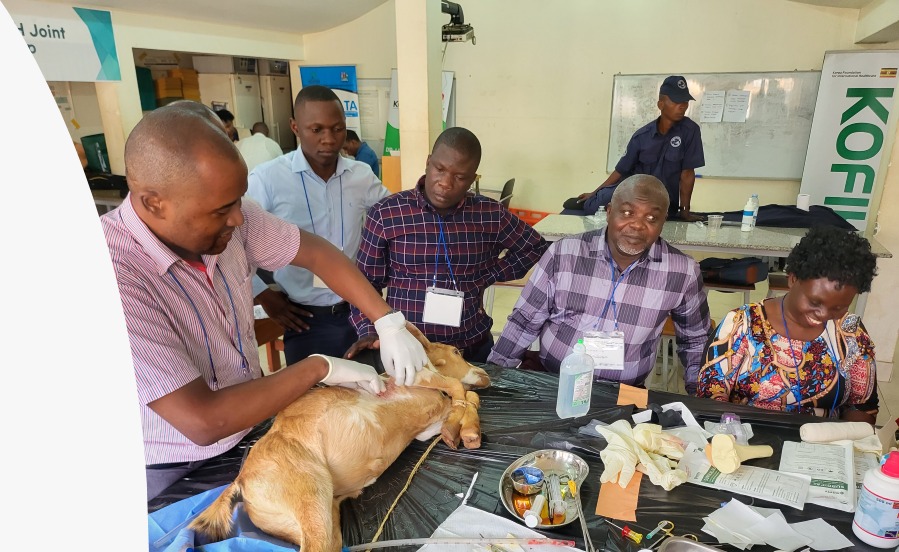
The initiative was led by Dr. Omona Alfonse, Consultant Surgeon and Head of the Emergency Department at Masaka Regional Referral Hospital, under the supervision of the Ministry of Health with funding from Korea Foundation for International Healthcare.
TUTATA was developed to address Uganda’s high trauma burden by introducing a structured, locally adapted system inspired by Korea’s trauma care model, KTAT.
The programme emphasises simulation-based training, hands-on practice, and the use of tools such as point-of-care ultrasound and eFAST to speed up diagnosis and intervention.
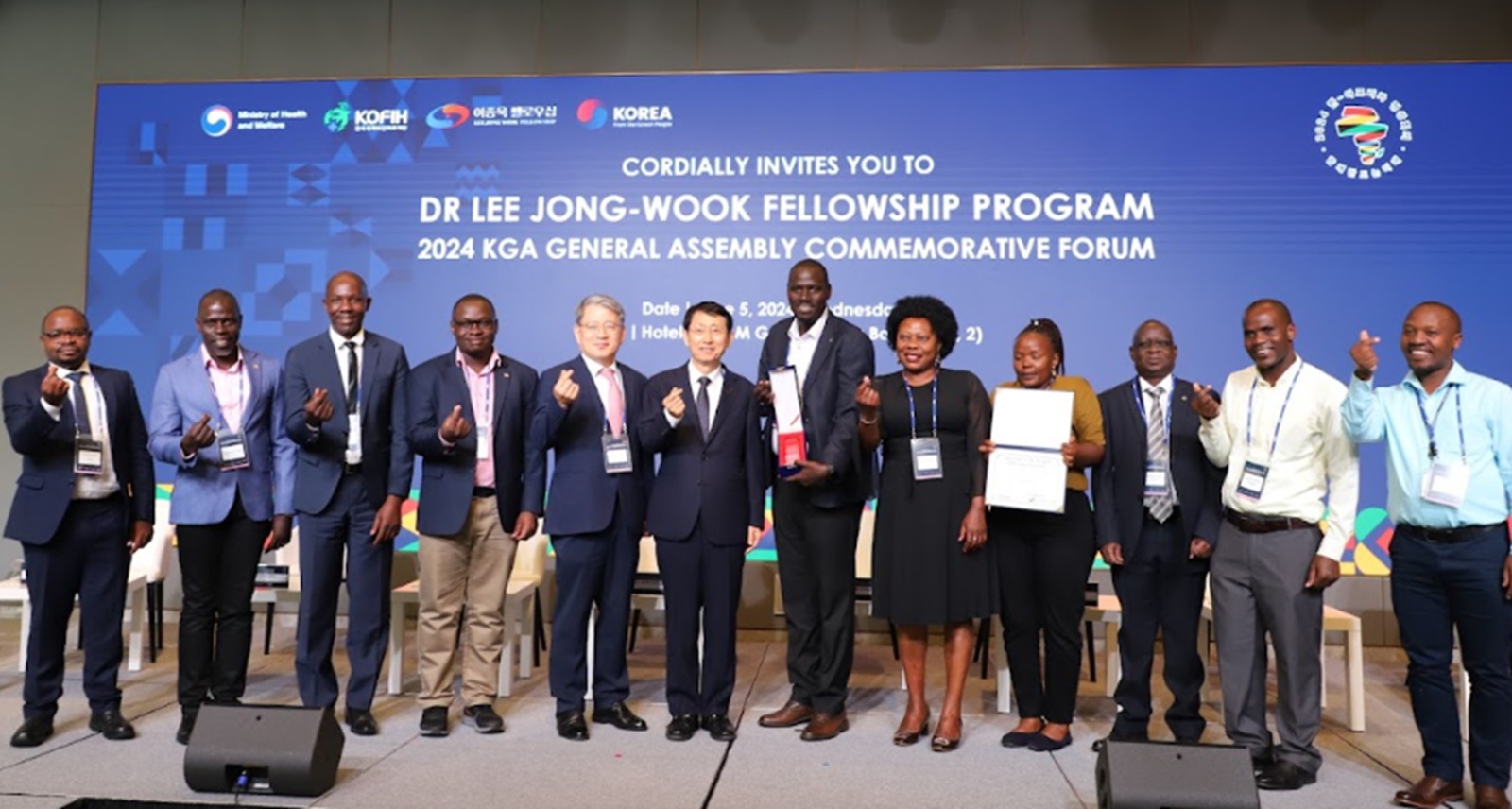
KGA alumni are under the Dr. Lee Jung Wook Fellowship Program, funded by KOFIH. Each year, 2–3 projects are implemented by the KGA Uganda Chapter.
The organisation has officially been incorporated as KOFIH Global Alumni Uganda (KGAUL) Limited under the Companies Act 2012 (Limited by Guarantee, without share capital)
Dr. Omona Alfonse said the approach is designed to strengthen the entire trauma system by empowering frontline workers.
“What we have built with TUTATA is a practical, locally adaptable system that empowers health workers to deliver lifesaving care within the first critical minutes. This is how we strengthen trauma systems, from the bedside outward,” he said.
The programme has also expanded beyond Masaka to Mulago National Referral Hospital, where additional health workers were trained in partnership with specialists from Wonju Severance Christian Hospital in South Korea.
Under the 2026 funding cycle, a total budget ceiling of USD 50,000 has been allocated, with only two projects expected to be selected.
To qualify, applicants were required to submit fully developed project concepts, including clear implementation plans, detailed budgets, defined team roles, and a strong problem definition matrix (PDM). Projects must also be implementable within a short timeframe, with no extensions allowed.
So far, 62 health workers have been trained, including 15 Trainers of Trainers, strengthening sustainability and knowledge transfer within Uganda’s health system.
The initiative highlights how targeted skills development can improve emergency care, reduce delays, and ultimately save lives in critical situations.
