

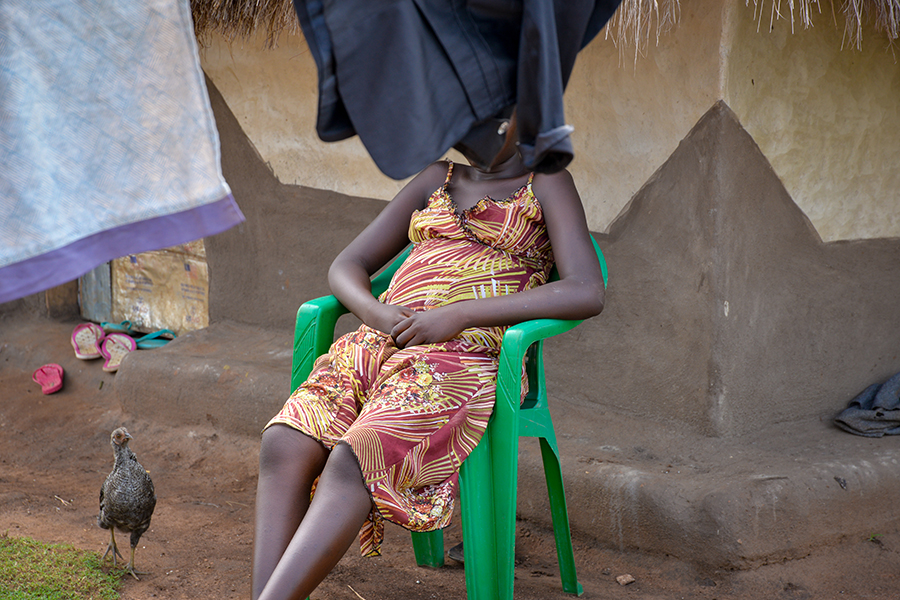
The Ministry of Health Uganda has attributed persistent cases of obstetric fistula to high rates of teenage pregnancy and delays in accessing emergency maternal care, warning that most cases are preventable with timely intervention.
Commissioner for Maternal and Child Health Richard Mugahi said one in four pregnant women in Uganda is a teenager, with girls as young as 12 to 14 years affected, a trend he described as a major contributor to childbirth complications.
“These are young girls whose bodies are not yet ready to carry a pregnancy, and this leads to complications like fistula, death of the baby, or even the mother,” Mugahi said.
Obstetric fistula, a serious childbirth injury caused by prolonged or obstructed labour, continues to affect women and girls in underserved communities, often leaving survivors with long-term medical and social challenges.
Mugahi said limited access to age-appropriate sexual and reproductive health information is fuelling early pregnancies, calling for stronger education efforts in schools and communities to address the root causes.
Beyond social factors, he pointed to systemic weaknesses within the healthcare system, particularly delays in referring mothers with complications from lower-level facilities to centres capable of handling emergencies.
He noted that life-saving procedures such as caesarean sections should ideally be performed within 30 minutes in critical cases, but referral delays often result in severe outcomes, including uterine rupture, fistula and death.
In response, the government, in partnership with United Nations Population Fund and the government of Iceland, is scaling up interventions in high-burden regions.
These include the construction of a Health Centre IV in Namayingo District to improve access to emergency obstetric care, as well as the recruitment of additional health workers, equipping of facilities, and training of medical personnel to reduce complications linked to poor surgical practices.
Mugahi said ongoing programmes are also focusing on surgical repair of fistula cases and supporting survivors with income-generating activities to aid reintegration into their communities.
“Addressing both the social drivers and the health system gaps is critical if we are to eliminate fistula in Uganda,” he said.
The remarks were made during the signing of a partnership agreement in Kampala involving Iceland’s Head of Mission Hildigunnur Engilbertsdóttir and Kristine Blokhus, formalising support for expanded reproductive health services.
The programme will target underserved regions including Acholi, West Nile, Bukedi, Karamoja and Busoga, with a focus on improving access to sexual and reproductive health services, adolescent health education, and response to gender-based violence.
A key component of the initiative is the prevention and treatment of obstetric fistula, alongside rehabilitation and long-term support for survivors.
Engilbertsdóttir said the condition reflects broader systemic failures and should be addressed as both a public health and human rights issue.
“Fistula happens when a health system lacks the capacity to meet the full spectrum of reproductive health needs of women and girls. It is a human rights and gender equality issue,” she said.
Officials say the combined interventions are expected to strengthen maternal health services, reduce preventable childbirth injuries, and improve outcomes for vulnerable women and girls across Uganda.
