

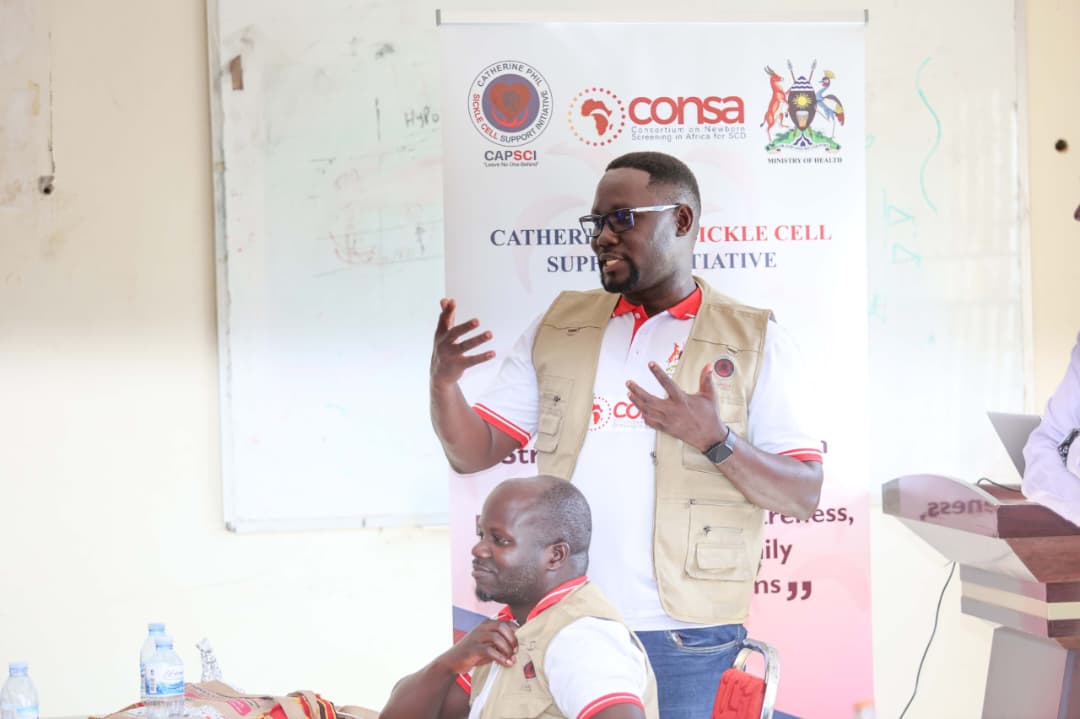
A quiet but critical community health intervention is gaining momentum across the Lango sub-region, where health workers are now at the centre of efforts to combat sickle cell disease through early detection, follow-up care, and public sensitisation.
The initiative is being implemented by the Catherine Phil Sickle Cell Support Initiative in partnership with the Consortium for Newborn Screening for Sickle Cell Disease in Africa, with a focus on strengthening Uganda’s newborn screening programme by extending services into communities.
Community health workers, commonly known as Village Health Teams (VHTs), are conducting door-to-door visits to identify children living with sickle cell disease—particularly those who were never tested at birth or who dropped out of treatment.
Sickle cell disease remains one of the most widespread inherited blood disorders in sub-Saharan Africa. According to Uganda’s Ministry of Health, about 20,000 children are born with the condition annually, while an estimated 13–15 percent of the population carries the sickle cell trait.
Health experts further warn that without early diagnosis and proper care, up to 50–80 percent of affected children in Africa die before the age of five.
In Lango, the burden is reported to be particularly high, with prevalence estimated at around 20 percent—one of the highest in Uganda. Experts attribute this to genetic factors, including intermarriage within closely related clans, as well as limited access to early screening and treatment services.
At Lira Regional Referral Hospital, more than 1,500 patients are currently enrolled in chronic sickle cell care, though health workers believe many more cases remain undiagnosed within surrounding communities.
Dr Andrew Odur, the acting hospital director, said treatment outcomes have improved significantly with the use of drugs such as hydroxyurea.
“It is not the end of life once you are diagnosed with sickle cell disease. With drugs like hydroxyurea, patients can reduce frequent crises and grow normally,” he said.
He emphasized that early diagnosis and community support remain critical in improving survival rates and reducing complications.
Under the new intervention, VHTs are trained to recognise warning signs such as jaundice, joint swelling, recurrent infections, and poor growth. They also conduct home visits to monitor medication adherence, hygiene, and nutrition among patients.
For community health worker Ronald Omara in Lira City, the programme has strengthened grassroots response to the disease.
“We now go into homes to identify children, refer them to hospitals, and follow them up to ensure they are taking medication,” he said.
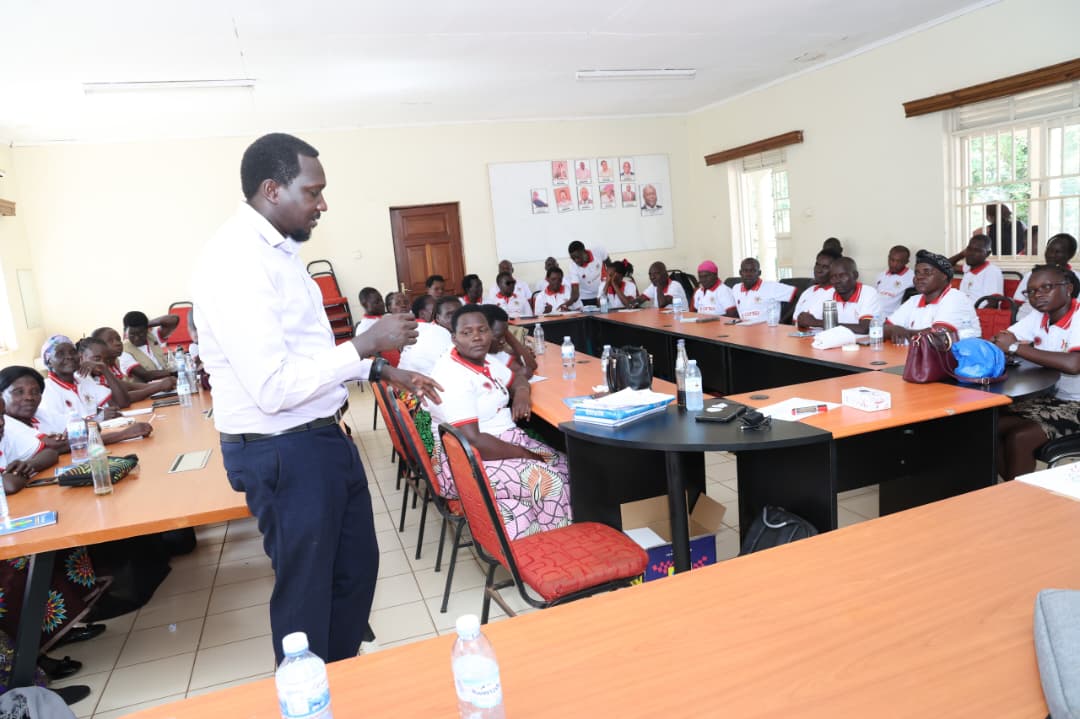
He noted that stigma and misinformation remain major challenges, with some families still associating sickle cell disease with witchcraft or curses.
“We have learned that this sickness is not witchcraft. It can be managed with proper medication,” Omara added.
Local awareness initiatives, including community sickle cell runs, have also been introduced in Lira City to raise funds for screening equipment and support services, while helping to reduce stigma around the disease.
Health experts say combining community outreach, improved screening, and sustained public awareness will be key to reducing the long-term burden of sickle cell disease in Uganda.
