

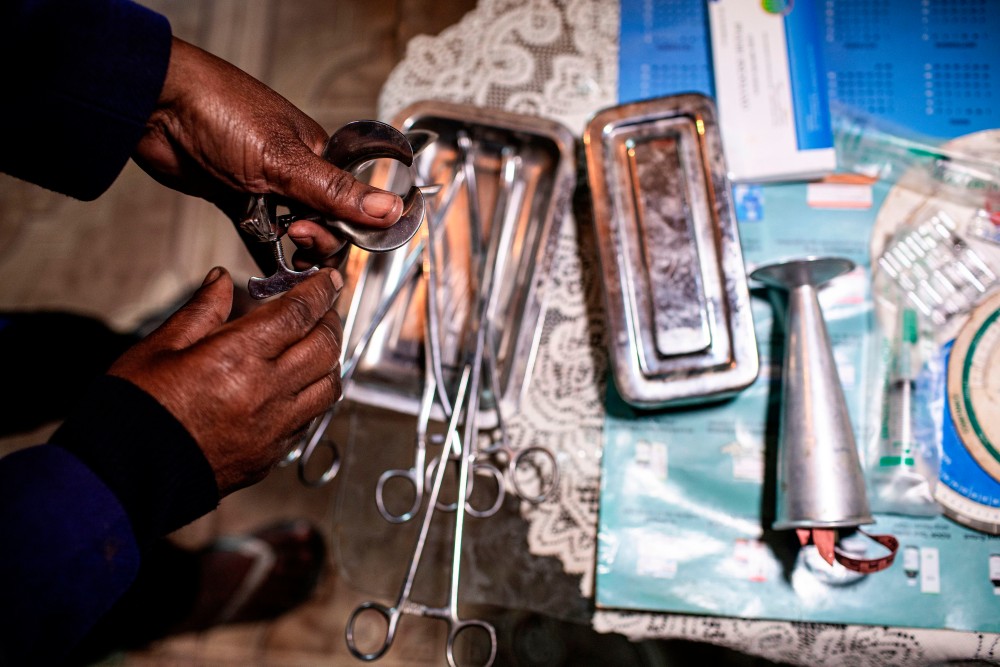
Health experts have raised concern over the rising number of abortion-related complications in southwestern Uganda, revealing that the Ankole sub-region currently leads the country in cases linked to unsafe abortions.
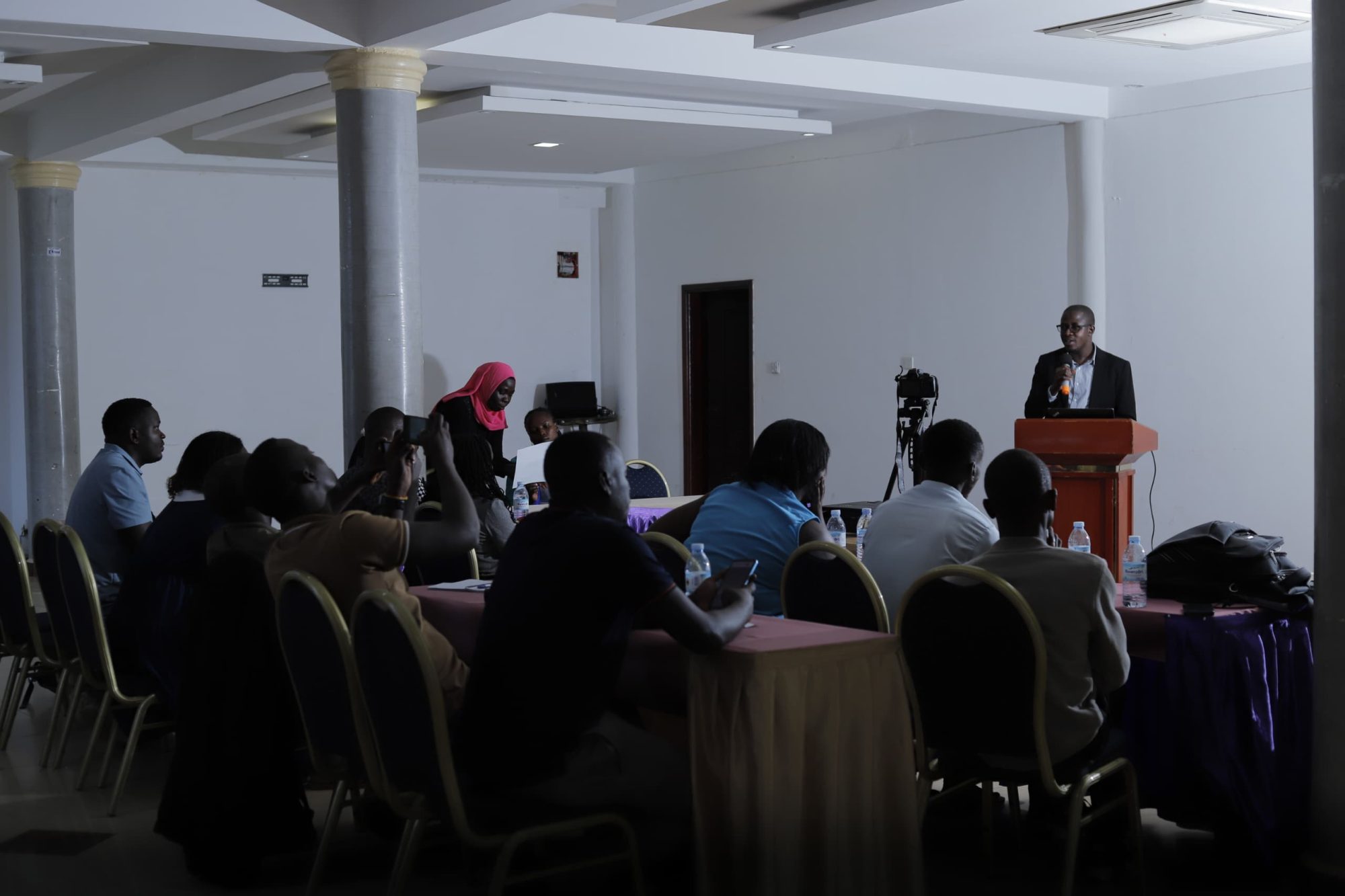
The alarming statistics were presented during a training session for the Health Journalist Network Uganda (HEJNU), where medical professionals highlighted the growing strain on the healthcare system.
Speaking at the training, Rogers Kajabwangu, an obstetrician-gynecologist at Mbarara Regional Referral Hospital, said hospitals in the region are witnessing a significant number of abortion-related cases.
“About three out of the 10 cases we admit in the gynecology ward with conditions other than pregnancy involve abortion or miscarriage,” Kajabwangu said.
According to him, the numbers reflect a growing public health challenge rather than isolated incidents.
A recent survey discussed during the training found that the Ankole sub-region leads the country in complications arising from unsafe abortions.
These complications often include severe hemorrhage, sepsis, and permanent damage to reproductive organs.
Kajabwangu noted that although abortion remains illegal in Uganda under most circumstances, post-abortion care remains a critical medical intervention.
“Whereas abortion is criminal according to Ugandan laws, post-abortion care is a right,” he said.
Abortion is the termination of a pregnancy by removal or expulsion of an embryo or fetus. It can either be spontaneous (unintended miscarriage) or nonspontaneous (deliberate).
The unmodified word abortion generally refers to induced abortion, or deliberate actions to end a pregnancy.
Medical experts at the training emphasized the importance of Post-Abortion Care (PAC), describing it as a life-saving medical service that treats complications resulting from miscarriage or incomplete termination of pregnancy.
Pleasure Nuwashaba, a midwife at Mbarara Regional Referral Hospital, said PAC is essential in reducing maternal deaths.
“It is a critical pillar in reducing maternal mortality because it prevents a medical emergency from becoming a fatality. Without it, the risk of death from infection or internal bleeding increases exponentially,” Nuwashaba said.
She added that efforts are underway to integrate post-abortion care into maternity services across health facilities.
“We are skilling midwives, strengthening referral systems, and ensuring services are available even at Health Centre III level. Our advocacy is not just about preventing abortion but also ensuring all midwives are trained in post-abortion care,” she explained.
Health workers say the service has already saved many lives.
“If we were not offering post-abortion care, very many women would be dead today. Young girls, married women—many are doing abortions though some report them as miscarriages, but medically we are able to identify the signs,” Nuwashaba said.
Doctors also raised concern about the increasing number of school-going girls seeking treatment for abortion complications.
According to Kajabwangu, young girls are among the most vulnerable patients presenting with severe complications.
“Regardless of how a pregnancy ends, every patient has a right to the medical care that keeps them alive,” he said.
Nuwashaba recounted one case involving a teenage girl whose uterus had to be removed due to complications.
“I remember a scenario years ago where we had to remove the uterus of a 17-year-old girl. When the public does not see these things, they think they are not happening,” she said.
During the training, journalists were urged to help de-stigmatise conversations around maternal health and post-abortion care to encourage women and girls to seek medical help without fear.
Health experts said that improved public awareness, stronger referral systems and expanded access to emergency reproductive health services will be critical in addressing the growing challenge in the region.
