

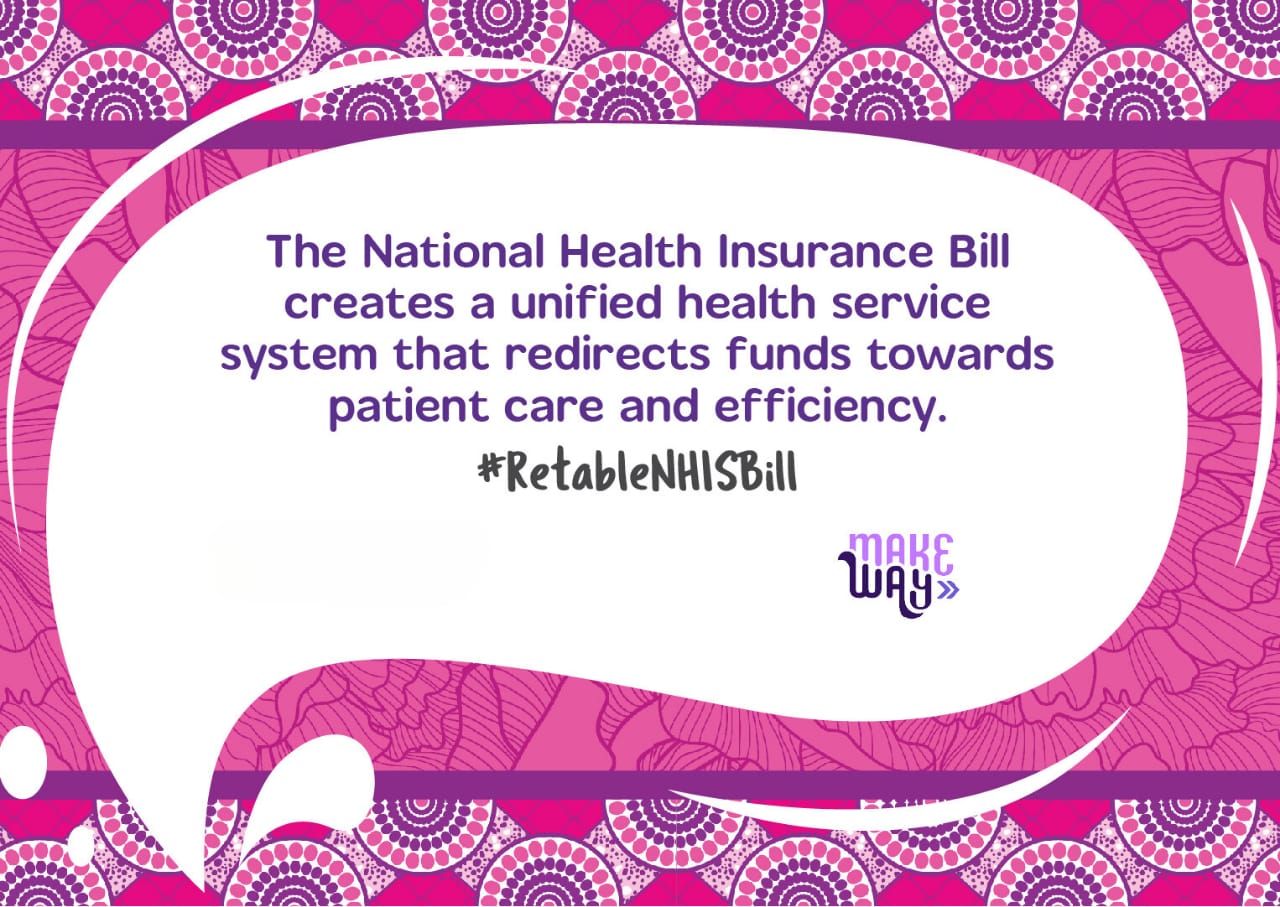
Stakeholders from Uganda’s civil society organizations (CSOs) under the Make Way Consortium are urging the government to fast-track the passage and implementation of the National Health Insurance Scheme (NHIS) Bill 2019. The NHIS Bill seeks to establish Uganda’s first-ever national health insurance system, a critical step toward achieving Universal Health Coverage (UHC) and improving healthcare access for all citizens.
Flavia Kyomukama, a leading voice from the Action Group for Health, Human Rights, and HIV/AIDS (AGHA), emphasized the bill’s importance in addressing the chronic underfunding of Uganda’s healthcare sector. “The NHIS Bill represents a transformative opportunity to make healthcare more affordable and accessible, ensuring that no Ugandan has to choose between their health and financial security,” she stated.
The Need for the NHIS
The NHIS aims to create a comprehensive framework for healthcare coverage by pooling contributions from employees and government funding. The scheme is grounded in solidarity and cross-subsidization: the wealthy subsidize the poor, the healthy support the sick, and the young assist the elderly. This approach aligns with the Ubuntu philosophy of community care and mutual support.
The bill outlines a broad health benefits package, including family planning counseling and services, and seeks to improve healthcare delivery through public and private providers. Advocates argue that the scheme will create healthy competition among service providers, leading to better quality and efficiency in healthcare services.
Uganda is currently the only country in East Africa without a national health insurance system. According to the World Health Organization, this has left the majority of the population vulnerable to out-of-pocket healthcare costs, which account for 38% of national health expenditures. Uganda’s poorest citizens, comprising 41% of the population, are particularly disadvantaged, with many falling into poverty due to medical expenses.
Delayed Progress
The NHIS journey began in 2002 with a feasibility study conducted by Makerere University and Harvard University. However, despite several revisions, the bill remains in limbo. The most recent version, passed by Parliament in 2019, awaits presidential assent. This delay has sparked intensified advocacy from CSOs and other stakeholders who see the NHIS as essential to achieving Sustainable Development Goal (SDG) 3: ensuring healthy lives and promoting well-being for all.
Youth and Marginalized Groups
Youth advocate Hannah Margaret Nakigudde from the Make Way Consortium underscored the NHIS Bill’s potential to address the unique healthcare challenges faced by Uganda’s youth. “Young people, especially minoritized groups such as the unemployed, girls, and rural youth, face barriers to healthcare that this bill can help eliminate,” she said. With over 70% of Uganda’s population under the age of 30, the youth are a critical demographic whose health and well-being will shape the nation’s future.
Michael Ssemakula from the Alliance of Women’s Advocating for Change (AWAC) highlighted the importance of the NHIS for low-income and structurally excluded populations. “This scheme is a lifeline for those living hand-to-mouth and grappling with the burden of out-of-pocket healthcare costs,” he noted. Ssemakula added that the NHIS would reduce inequities and foster sustainable socio-economic development by safeguarding families from financial ruin due to medical expenses.
A Call to Action
Civil society groups are urging Parliament to re-table the NHIS Bill and the President to expedite its enactment. Stakeholders stress that this move is a moral obligation and a strategic investment in Uganda’s development. They highlight how neighboring countries like Rwanda, where over 96% of the population is insured, have leveraged similar schemes to improve healthcare outcomes and bolster economic growth.
Advocates argue that the NHIS will advance Uganda’s Vision 2040 and National Development Plan (NDP II) by strengthening healthcare systems, enhancing administrative efficiency, and promoting equity. They call on policymakers to prioritize the bill for the benefit of all Ugandans, particularly the vulnerable populations who stand to gain the most.
The Bigger Picture
The NHIS is more than a health financing tool; it is a catalyst for achieving Universal Health Coverage and reducing poverty. By protecting citizens from catastrophic healthcare costs and fostering early health-seeking behaviors, the scheme promises a healthier, more productive population.
As Uganda grapples with disease outbreaks, high maternal mortality rates, and rising healthcare costs, the NHIS offers a sustainable path forward. Civil society remains united in its appeal: Retable the National Health Insurance Bill now, for the health and prosperity of Uganda.
Links to SeeMe Campaign
