

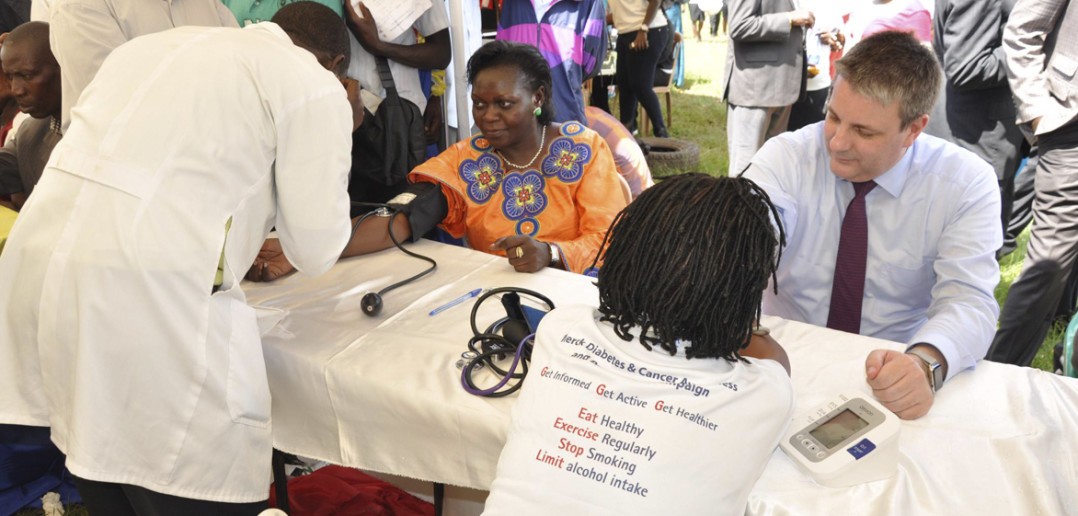
Uganda is witnessing a concerning surge in diabetes cases, with recent figures revealing a threefold increase from the previous census conducted in 2014.
Experts attribute this alarming rise to evolving lifestyles that have a significant impact on the nation's health. The burden that comes with managing a diabetic patient, can only be said by patients and possibly their immediate family members.
According to findings, the cost of care for people with type 2 diabetes accounts for 13% of the Ministry of Health budget.
The Ministry of Health says, 4 out of 10 Ugandans live in ignorance of what ails them and are likely to present late with complications that worsen their quality of life.
About 89% of Ugandans with diabetes are neither on medication nor aware of their status and therefore present to the health system with difficult-to-treat complications.
Dr. Gerald Mutungi, the Asst. Commissioner, of NCDs, at the ministry notes that diabetes is one of the leading causes of blindness, kidney failure, heart attack, stroke, and non-traumatic lower limb amputation in Uganda. According to the International Diabetes Foundation, in 2021, an estimated 716,000 adults in Uganda had diabetes.
According to medical experts, the costs of treating diabetes with or without complications are generally higher in private than public healthcare
Some of the signs and symptoms of type 2 diabetes include Being very thirsty, Peeing a lot, blurry vision, fatigue or feeling worn out, wounds that don’t heal, Yeast infections that keep coming back, Feeling hungry, Weight loss without trying and getting infections among others.
