

By Michelle Marion Apio
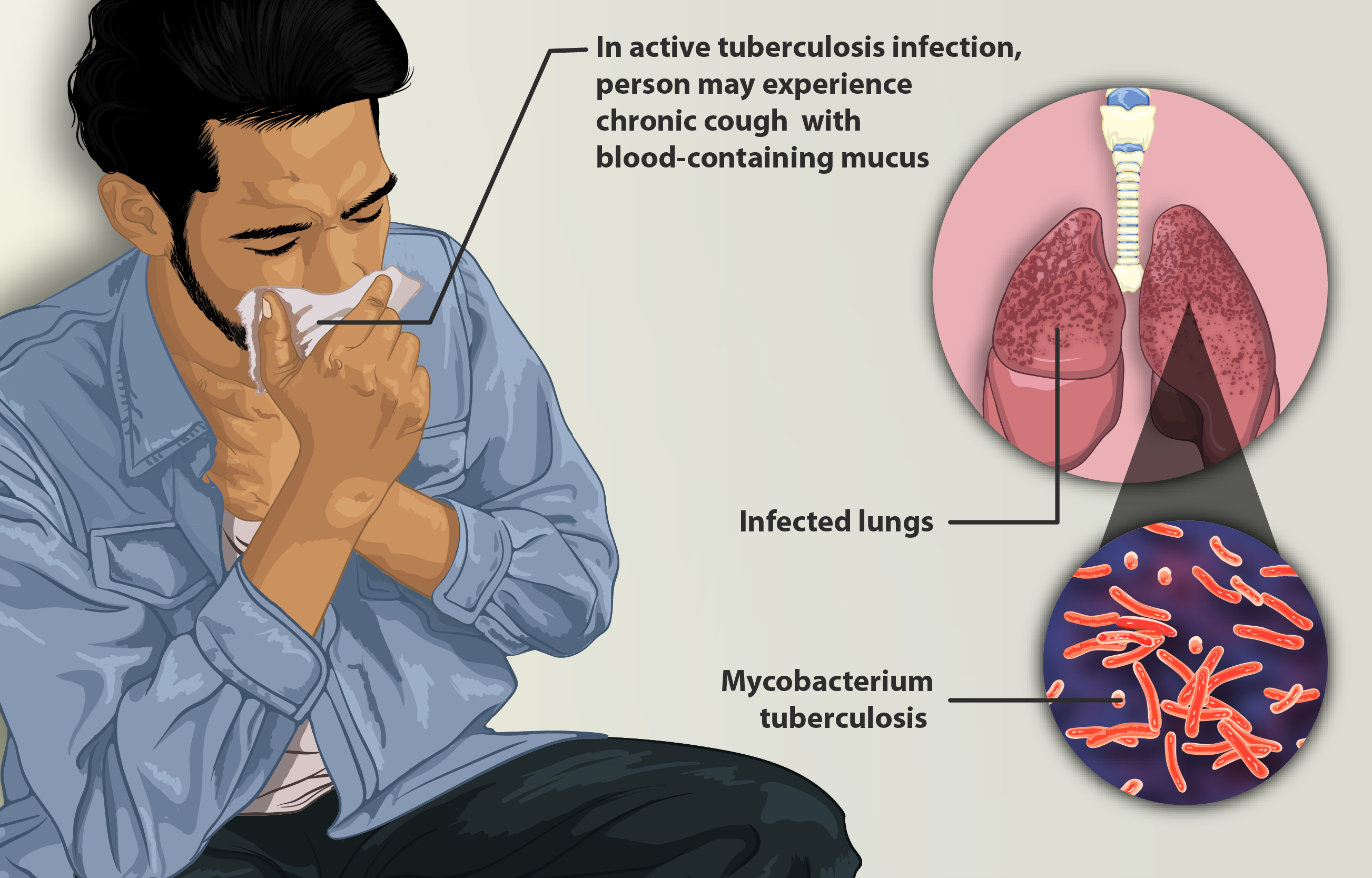
Uganda continues to grapple with a significant burden of Tuberculosis (TB), a serious infectious disease primarily affecting the lungs.
According to the World Health Organization (WHO), TB ranks as the third-leading cause of death in the country.
In response to this pressing issue, the Ugandan government has stepped up efforts to address and curb the spread of the disease.
The latest figures from 2020 reveal a staggering 87,000 new TB cases reported in Uganda, leading to approximately 28,000 TB-related deaths.
These numbers underscore the dire need for improved prevention, diagnosis, and treatment strategies. Poverty, the prevalence of HIV/AIDS, and drug-resistant TB contribute to the high TB rates in Uganda.
Poverty emerges as a significant risk factor for TB, as it increases both exposure to the disease and hampers access to healthcare.
Consequently, individuals living in poverty are less likely to receive early diagnosis and treatment.
Furthermore, the high prevalence of HIV/AIDS weakens the immune system, making individuals more susceptible to contracting TB. Uganda's efforts to prevent HIV infection will also help reduce vulnerability to TB.
Another major challenge is drug-resistant TB, which currently affects an estimated 15% of TB cases in Uganda. Drug-resistant TB does not respond to standard treatment medications, complicating its management and elevating the risk of fatality.
Addressing this form of TB necessitates innovative approaches and adequate resources.
To counteract the spread of TB, the Ugandan government has launched various programs aimed at enhancing early diagnosis and treatment, improving healthcare accessibility, preventing HIV infection, and promoting proper nutrition.
These initiatives contribute to a comprehensive strategy focused on controlling and ultimately eliminating TB across the country.
Enhanced access to healthcare, particularly in rural areas where TB is more prevalent, ensures that individuals receive timely and appropriate care.
The government's provision of free TB treatment for all patients, regardless of their ability to pay, has alleviated the financial burden associated with the disease.
Additionally, healthcare workers are receiving training to empower them with the essential skills to effectively diagnose and treat TB.
Public awareness plays a vital role in preventing the spread of TB. Through active engagement in public education campaigns, the Ugandan government seeks to increase knowledge and understanding of the disease within communities.
These initiatives aim to reduce the stigma surrounding TB and encourage early detection and treatment.
While the TB statistics in Uganda remain concerning, there have been notable successes in recent years. The incidence rate of TB has shown a declining trend, indicating that the collective efforts of the government and various stakeholders are yielding positive results.
However, sustained commitment and investment are paramount to achieving Uganda's goal of eliminating TB by 2030.
Uganda remains determined to overcome the challenges posed by TB. With concerted efforts, continued investment, and the unwavering support of its citizens, the country can make significant strides towards minimizing the impact of this disease on its population.
