

By Michelle Marion Apio
Congenital heart defects (CHDs) are the most common birth defects globally, affecting about 1 in 100 babies born. In Uganda, the estimated prevalence of CHD is 8-12 per 1000 live births, meaning approximately 1,280 to 1,920 babies are born with CHD in Uganda every year. The most prevalent CHD type in Uganda is ventricular septal defect (VSD), characterized by a hole in the wall between the two lower chambers of the heart. Other commonly observed CHDs include patent ductus arteriosus (PDA), atrial septal defect (ASD), and tetralogy of Fallot.
The severity of CHDs varies, ranging from mild to life-threatening. Treatment requirements differ as well, with some CHDs not requiring intervention while others necessitate surgical procedures or other interventions. Without treatment, approximately one in three children with significant CHD in Uganda will not survive beyond the first month of life. Unrepaired CHD is a leading cause of heart failure among children in Africa.
Additional statistics on CHD in Uganda reveal that the majority of affected children are born in rural areas where access to healthcare is limited. This lack of accessibility can result in delays in the diagnosis and treatment of CHD. Moreover, the cost of necessary surgeries and interventions often poses a significant financial burden for families in Uganda, leading to a substantial number of children not receiving the required treatment.
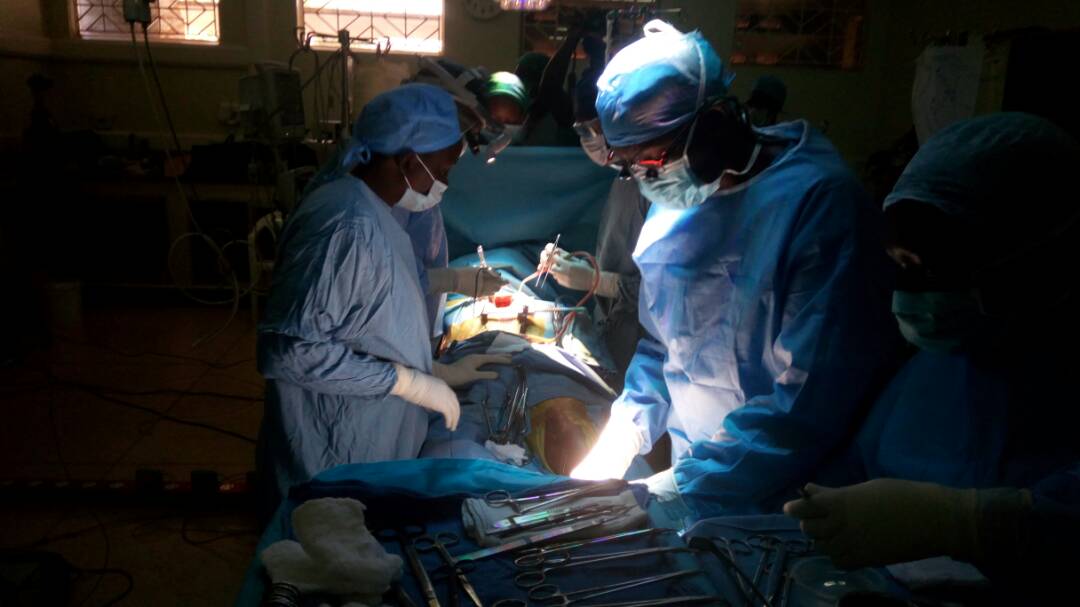
Despite these challenges, there is hope. The Uganda Heart Institute (UHI) serves as a prominent center for CHD treatment in the country, providing services such as surgery, medications, and devices. Moreover, the UHI contributes to the training and support of healthcare professionals in other regions of Uganda. Collaborative efforts involving organizations like the Uganda Heart Association aim to make a difference in the lives of children with CHD by advocating for access to necessary treatments.
While it is not possible to prevent all cases of CHD, there are measures pregnant women can take to reduce the risk, including receiving regular prenatal care, taking folic acid supplements, and avoiding certain medications and environmental toxins. Early diagnosis and prompt treatment play crucial roles in improving outcomes for children with CHD.
Treatment options for CHD encompass various approaches, such as surgery, medications, devices, and lifestyle modifications. The appropriate treatment plan depends on factors like the specific type and severity of the defect.
Despite the seriousness of CHD, early intervention and treatment pave the way for most children with CHD to lead long and healthy lives.
Article written with the help of AI
