

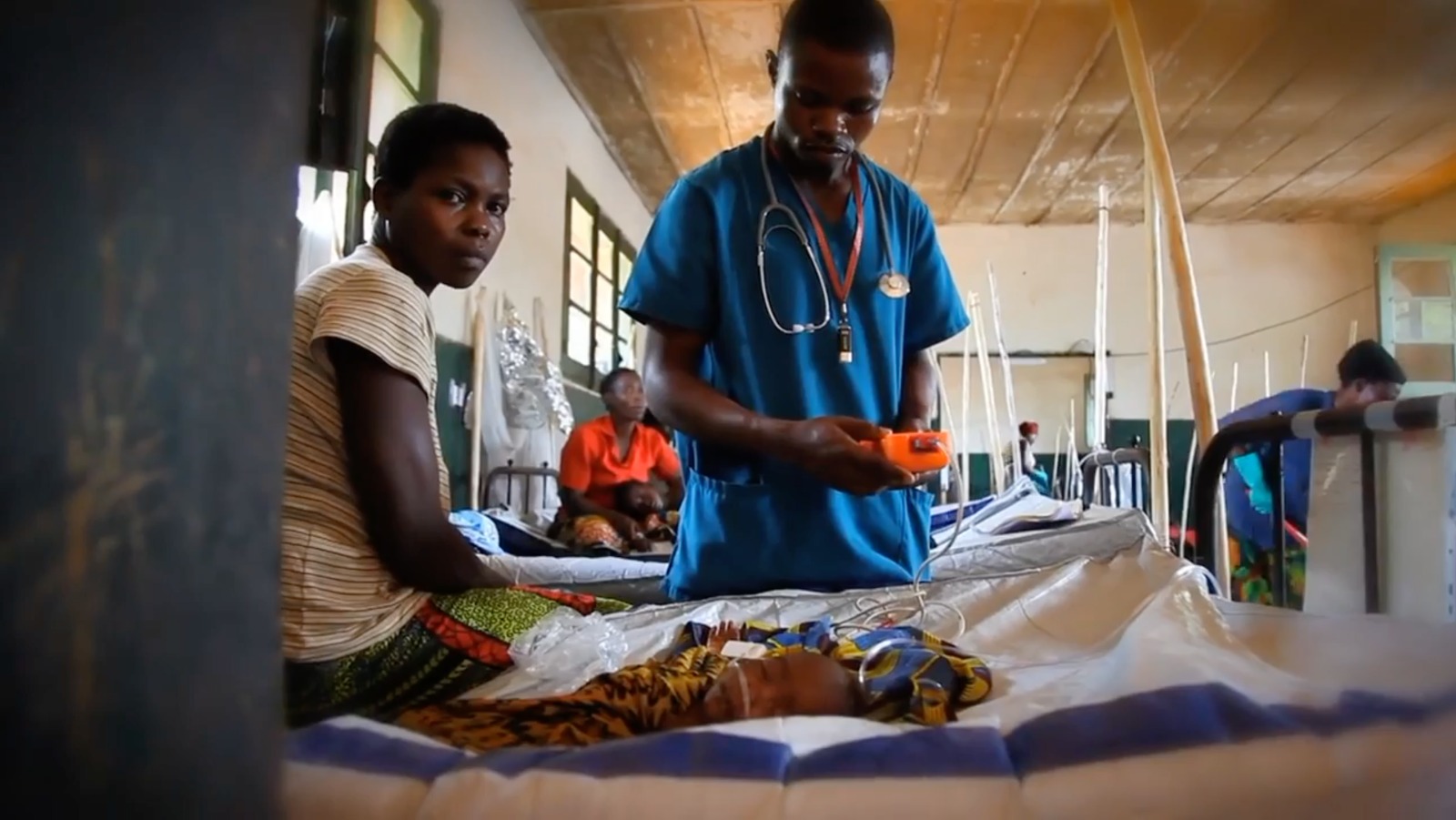
The government decision to reduce the monthly allowance for medical interns about to be deployed is causing mixed reactions among aspiring medical professionals.
After months of uncertainty, the government finally announced the deployment of 1,901 medical interns to various training centers.
However, the decision to proceed with a reduced net monthly allowance of shillings 1,000,000, down from the initial shillings 2.5 million, has raised concerns about the financial struggles these interns may face during their crucial training in the healthcare sector.
The delay in deployment had already caused anxiety among medical graduates eager to start their careers and contribute to the country's healthcare system.
While some expressed relief and gratitude for the clarity on deployment, others are worried about the adequacy of the reduced allowance, given the high standard of living in Uganda.
Breaking down the shillings one million allowance, it becomes evident that it leaves little room for basic necessities.
According to the breakdown, each intern is expected to find accommodation for not more than shillings 400,000; while their daily meals and transportation will be met under shillings 20,000.
Several interns have voiced concerns that this budget is impractical and will not enable them to meet their other basic needs and emergencies.
As the cost of living continues to rise in Uganda, the decision to cut the intern allowance raises questions about the government's commitment to supporting its healthcare workforce.
Medical graduates, who have worked tirelessly to reach this stage, may now find themselves in challenging financial situations that hinder their focus on training and professional development.
The government's stance on deploying medical interns despite budget limitations is seen as a necessary step to address the shortage of healthcare professionals in the country.
However, there is a growing call for a reevaluation of the allowance decision to ensure that these future doctors are not burdened by financial stress during their critical training period.
ReplyReply AllForward
