

As Uganda joins the rest of the world to commemorate the World Sickle Cell Awareness Day today, people have been urged to embrace testing and acquaint themselves with knowledge about the genetic condition.
World Sickle Cell Awareness Day is aimed at increasing public knowledge and understanding of the disease, and the challenges experienced by patients and their families to support them better.
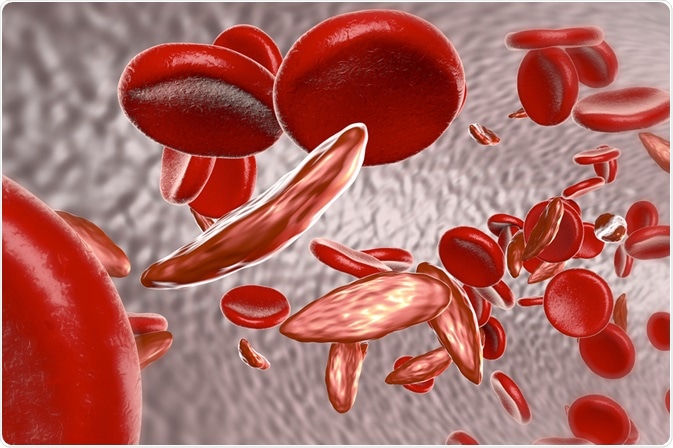
Sickle cell anaemia is an inherited genetic disorder of the blood pigment, haemoglobin. Haemoglobin is found in the red blood cells and it binds and transports oxygen around our bodies.
In Uganda,1 of 7 persons or 13% of the population carry this gene and 0.8% have the disease.
Annually, 15,000 – 20,000 children are born with sickle cell anaemia, according to the findings.
Dr. Richard Idro, a Consultant paediatrician and former President, Uganda Medical Association explained that the main problem in people with sickle cell anaemia is that the abnormal gene creates a defective haemoglobin, also called haemoglobin S (HbS).
"When people sickle cell anaemia experience stressful conditions such as low oxygen, cold weather, dehydration and infections, the haemoglobin clumps together forcing the red blood cell to become stiff, take the shape of a sickle and block the small blood vessels and blood flow," he said.
According to experts, they may experience life threatening rapid enlargement of the spleen, pooling blood and causing severe anaemia. This can lead to death rapidly and many experience severe life threatening bacterial infections.
Beyond infancy, Idro explained that the problems are repeated painful limbs, chest, back and abdomen. These children may also have massive destruction of red blood cells, their eyes become yellow and they develop severe anaemia.
He said children with sickle cell need daily folic acid, much more fluids, protein, and energy foods and should be shielded in cold weather.
"They should avoid the hot sun and not play outside for long in hot weather. In addition to mosquito nets, we give them medicines to prevent malaria and others to prevent bacterial infection, “he said.
