

There were two editors at New Vision who never drove: a lady who was dropped and picked up by her husband because she apparently had an acute fear of driving, and a man who would rather sit in a dirty Kameme or walk from home than sit behind a wheel.
If Risdel Kasasira had worked at Vision, he would have made the third such journalist on First Street. But he was on Eighth Street, and it didn’t change much.
And so was fate, too, for the life of the man who would never drive had to end in a car crash.
When news of Risdel’s tragic passing filtered through, the immediate reaction from those who knew him was one of confusion.
Nelson Bwire, a former colleague of Risdel at Daily Monitor, was sure the deceased would never drive. Yet word coming through suggested he was with his family—wife and children—on the fateful return journey from western Uganda.
Risdel was killed on the spot in the Friday crash that occurred at around 1pm at Kalagala Village along the Lyantonde-Kashagama Road. Their vehicle, driven by his wife Charlotte Nshimire, had overturned and crashed into the marshland.
At the scene, Risdel’s cackle, which he often suppressed by putting a hand over his mouth when he laughed, went into eternal silence as death painfully snatched his life.
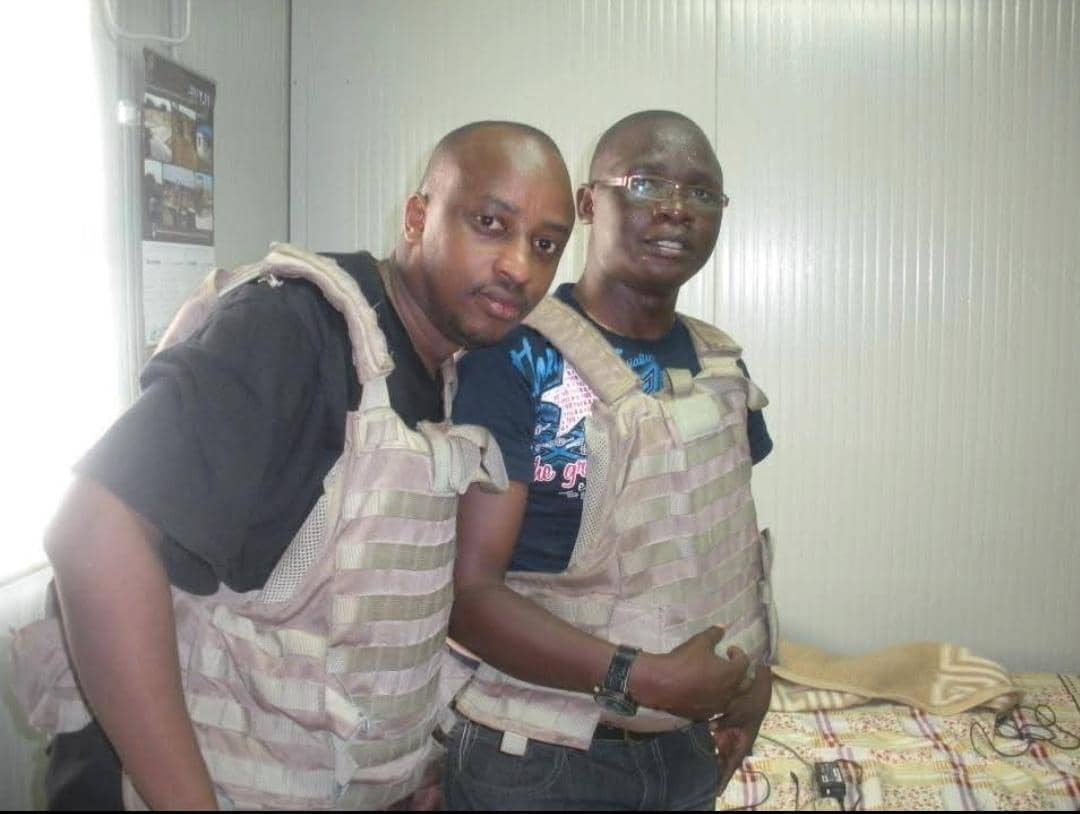
A security reporter and war correspondent, Risdel was 45. He had spent over two decades in the trenches of journalism and often appeared on the radars of security agencies for his news reports.
For these exploits, Risdel had been “promoted” to various ranks. From Corporal to Brigadier, his colleagues humorously pipped him with each passing milestone.
"We used to tease each other. I would call him Corporal, and he would call me Sergeant," said Dalton Kaweesa, the head of the newsroom at Next Media.
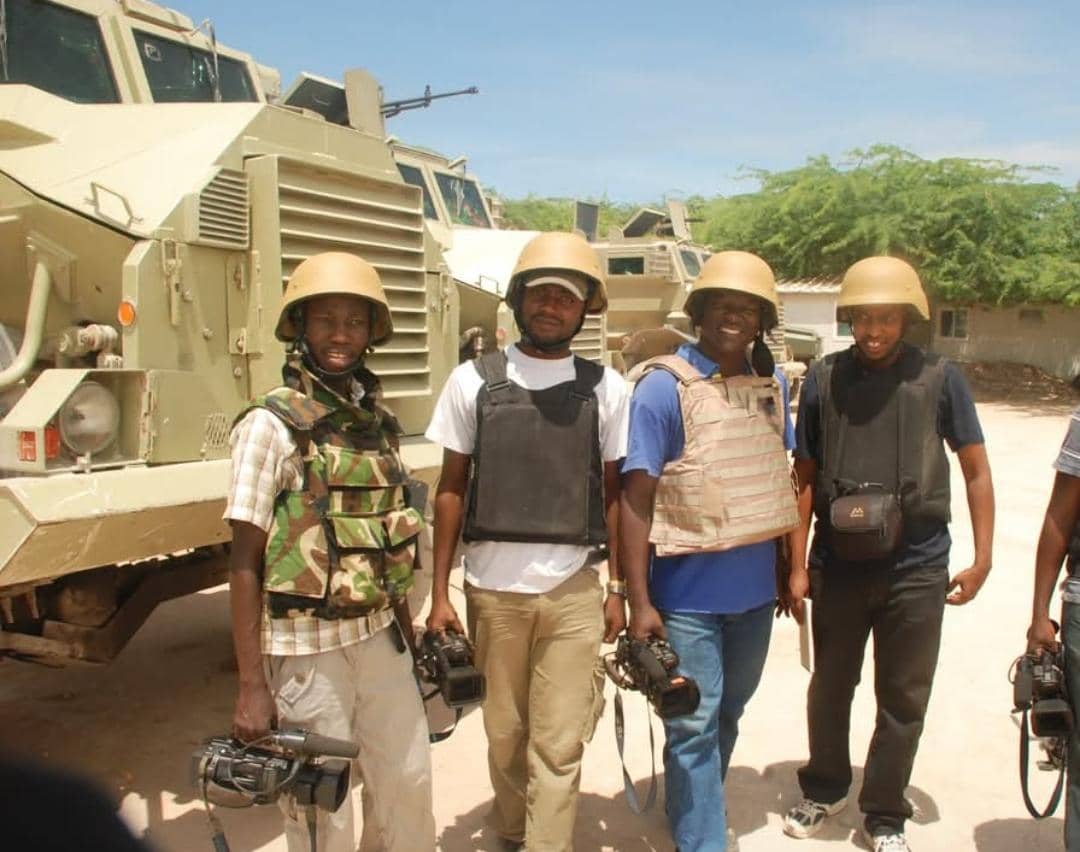
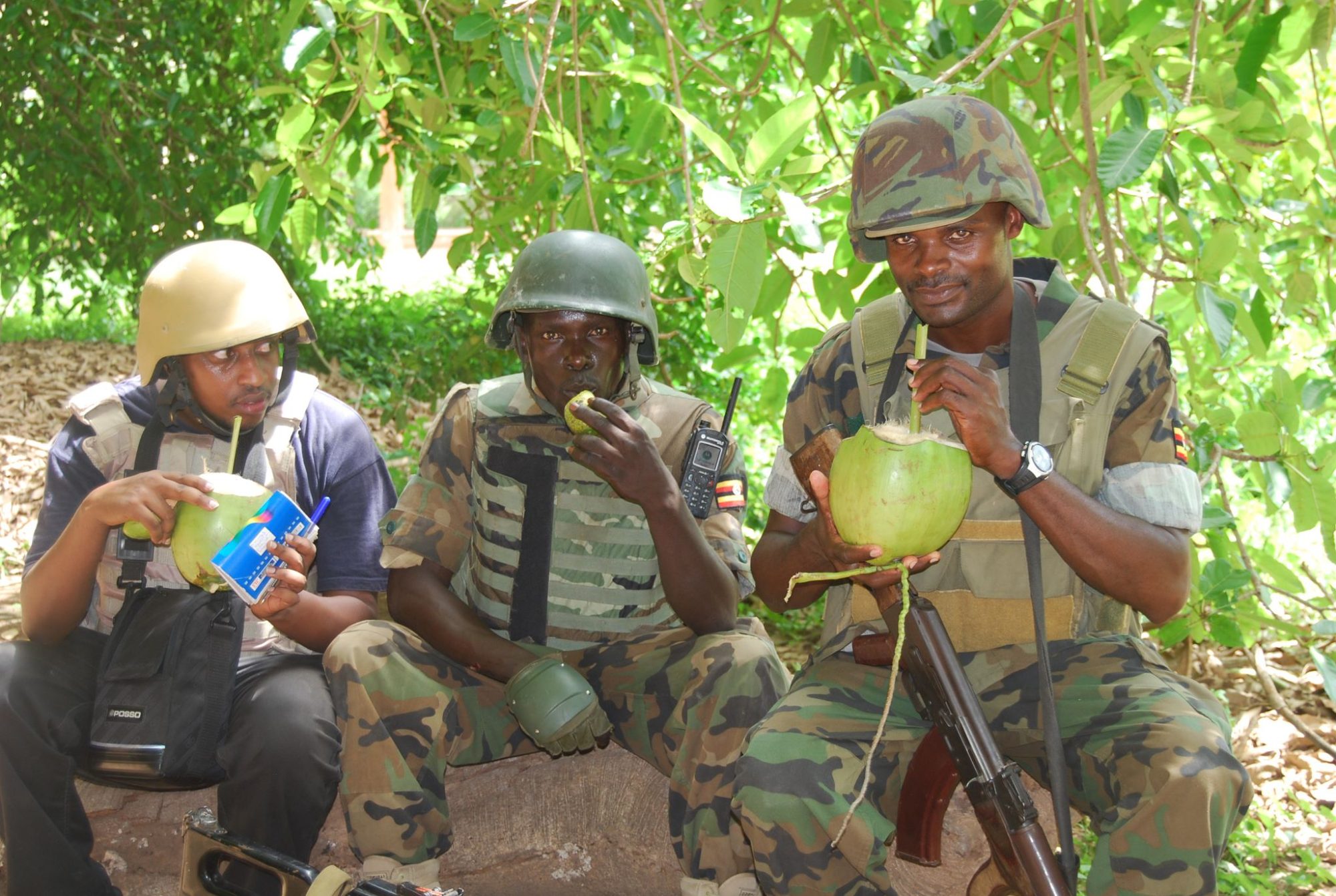
"We covered the Great Lakes conflicts together—from DR Congo to the Central African Republic, Sudan, and Somalia. His laughter always reduced tension, especially when we were in Somalia."
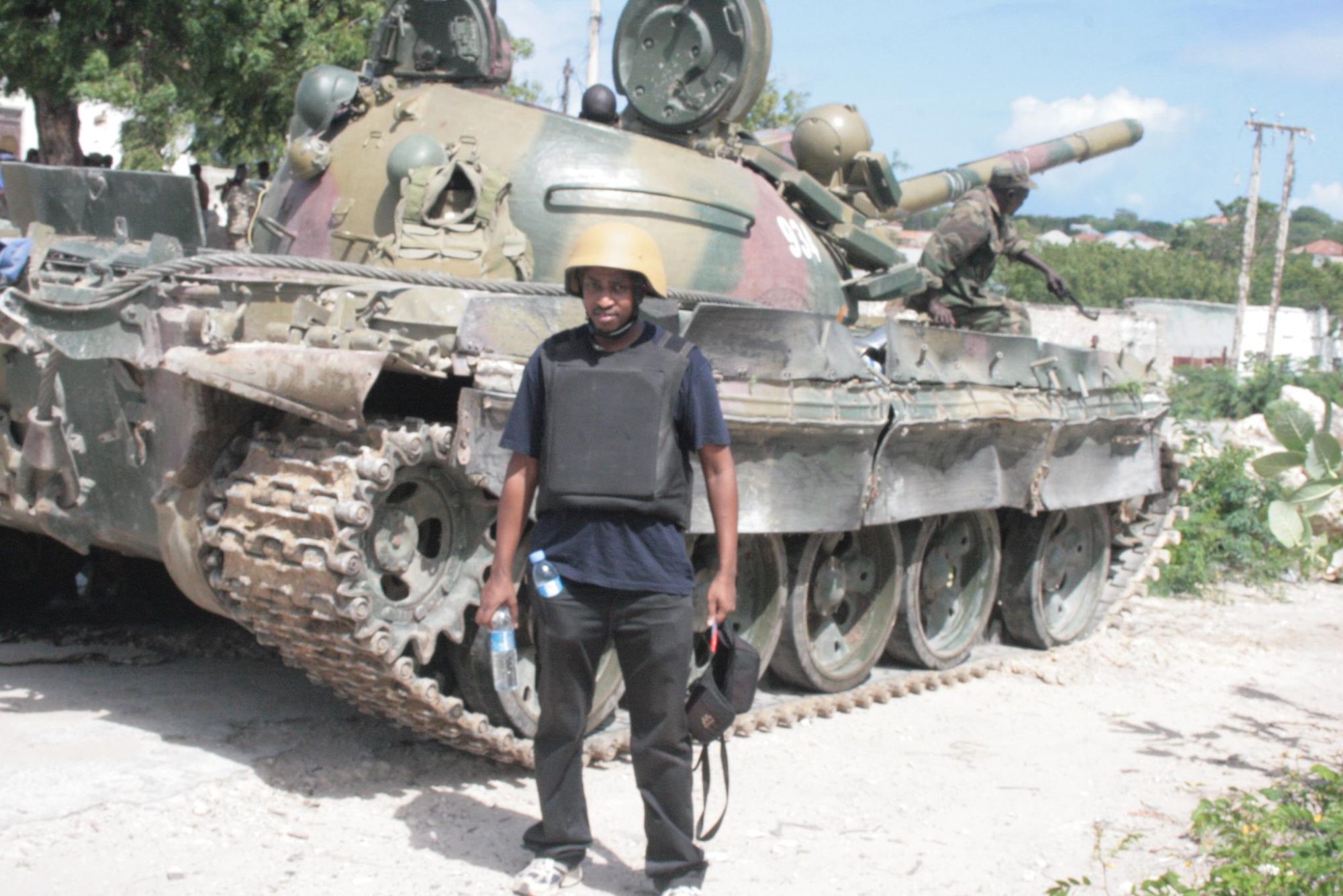
For a man who had trudged through rough jungles, ploughed through treacherous sand, and probably been in the crosshairs of several sniper scopes on deadly streets of Mogadishu, Risdel was rather calm and collected.
With light skin—he would probably have been called Mundele (white man) in his favourite war zone of Congo—his receding hairline and gapped bunny molars gave no hint of his experiences.
Joseph Mazige, a former news editor at Daily Monitor, described Risdel as a true champion of journalism, one driven by a fierce commitment to truth, justice, and accountability.
"He tackled the toughest stories with courage, integrity, and a keen eye for detail," Mazige said.
Besides his shrieking laughter, one of Risdel’s characteristic postures was leaning back in his seat with his hands intertwined at the back of his head, using them as a headrest.
He often struck this pensive posture when with a colleague or the talkative lot, such as Chris Obore, or when Tabu Butagira was at his wittiest, indulging anyone who cared to listen about whatever tales of millet porridge and Congolese edifice.
It was in this posture that Risdel stood back in 2011 when, as a sub-editor working on a copy about Al-Shabaab militants overrunning a UPDF base in Somalia, I went over to clarify a few things.
The army in Kampala claimed we had lost four gallant men, but the militants and social media reported scores killed.
Releasing his hands from his nape, Risdel called me over to his monitor. The figures he had were indeed gloomier than what we were due to report.
In my bloated innocence, I said we should report the truth. Risdel stared at me blankly for a good minute before mimicking the recoil of a revolver at my temple.
Then he laughed and added, "They will shoot you."
Of course, they wouldn’t—but his message had sunk in. This was not merely a keyboard affair; it was a matter of national security. In war, the truth is often the first casualty.
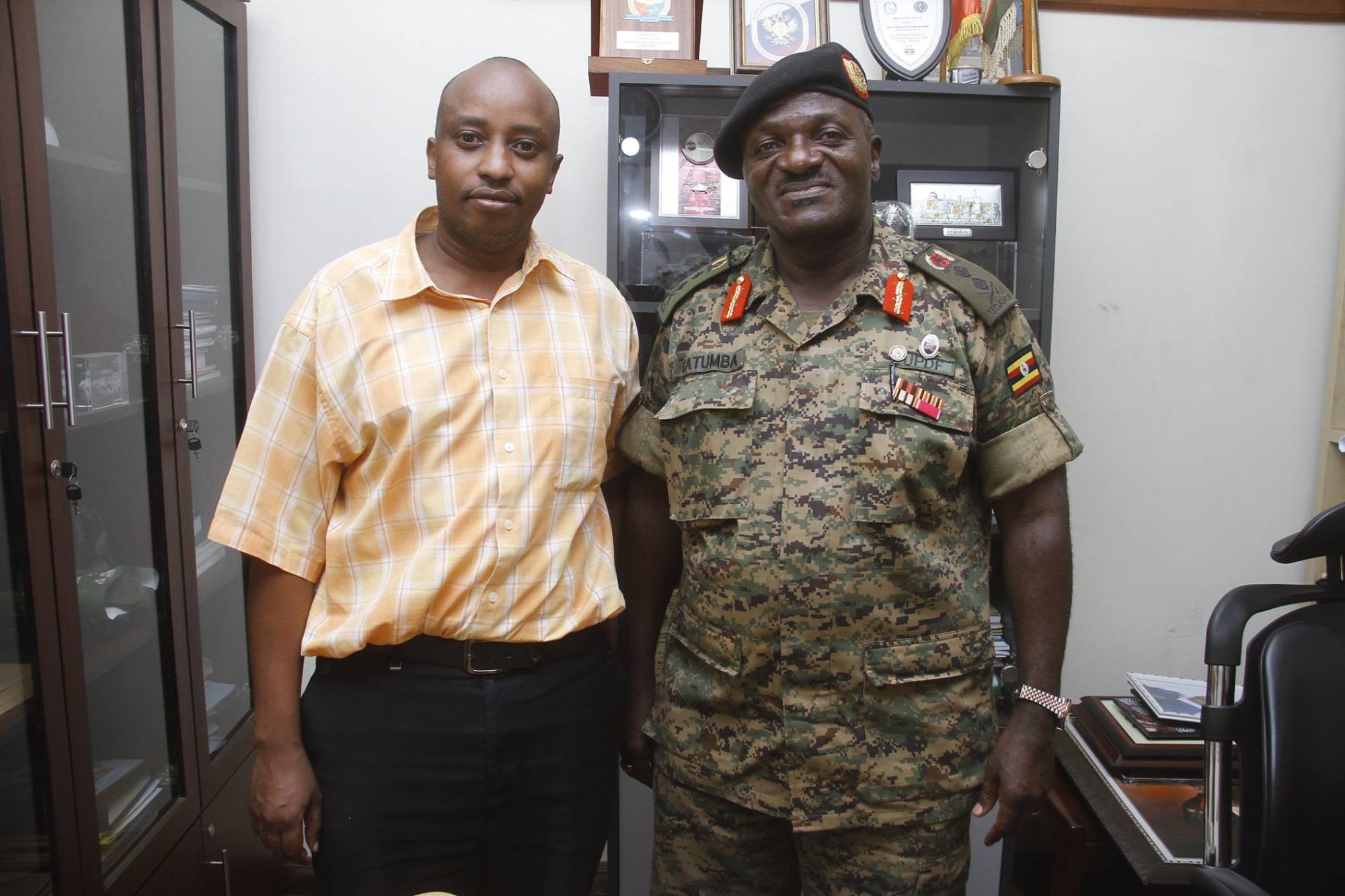
Risdel did not fear reporting the truth. He just knew when to roll in the mud. Like the blockbuster exclusive about General David Sejusa’s missive to the High Command, alleging a plot to eliminate top military and government officials who were allegedly against what was termed the "Muhoozi Project."
That report, shared with his best friend Richard Wanambwa, will be talked about for years, almost in the same currency as the Onyango-Obbo era of shaving Candida Lagony.
Sejusa fled into exile in the UK, leaving Daily Monitor closed for months and Risdel and colleagues facing state charges.
From exile in London, there were talks that Sejusa’s life was in danger. Around the same time, when I was a blogger ensconced in Kigali, a source dropped in hot potatoes.
Two alleged assassins from West Africa had been in the country. There were the passport details of the alleged hitmen and a lot more.
With a chill down the spine and no way to verify the information, it was worse than a hot potato.
How would 'Brigadier' Risdel have handled this one?
Years later, he would help me handle one tricky case when a UPDF Air Force officer was locked up during the height of the Uganda-Rwanda diplomatic impasse.
Two people sought help to advocate for the release of "PN"—which we were already doing—who was charged with espionage. One was willing to travel all the way to Jinja for a meeting at which he would avail information.
After consulting Brigadier Risdel, there was the advice to stall until he got back. One person, he would later say, looked okay, but the other had red flags about hjm.
"Don’t meet physically unless in a busy public place," the civilian military officer advised.
Skimming through Risdel’s Twitter timeline over the years, you would be impressed by how much respect he earned for his reporting. Going back to ten years past, there were always people appreciating his reports.
Sheila Nduhukire, a former anchor at NTV, probably put it best: "There was a time when security and political news in Uganda was truly credible only if it had a Risdel Kasasira byline."
Risdel, who would later string for AP, was a gentle giant of the Fourth Estate. His KPI appeared to be rooted in 'big' stories rather than just anything that kept a byline busy.
Risdel was among the staff retrenched in 2022 after being deemed worn out. His reporting had gone down to a trickle, they said.
Yet with the likes of Obbo long gone and Tabu then rooted to the desk, it looked more like Monitor had committed a beat suicide. Tabu was one of the security reporters with deep throats whispering words into his biro.
But being on the desk limited him. Yet young reporters like Tom Malaba, who looked the part, did not have the patience to beat about.
Andrew Bagala, a well-chiseled police beat reporter, has appeared to dabble in the wider security beat, backed by Elizabeth Kamurungi and Benson Tumusiime.
But they are not Risdel.
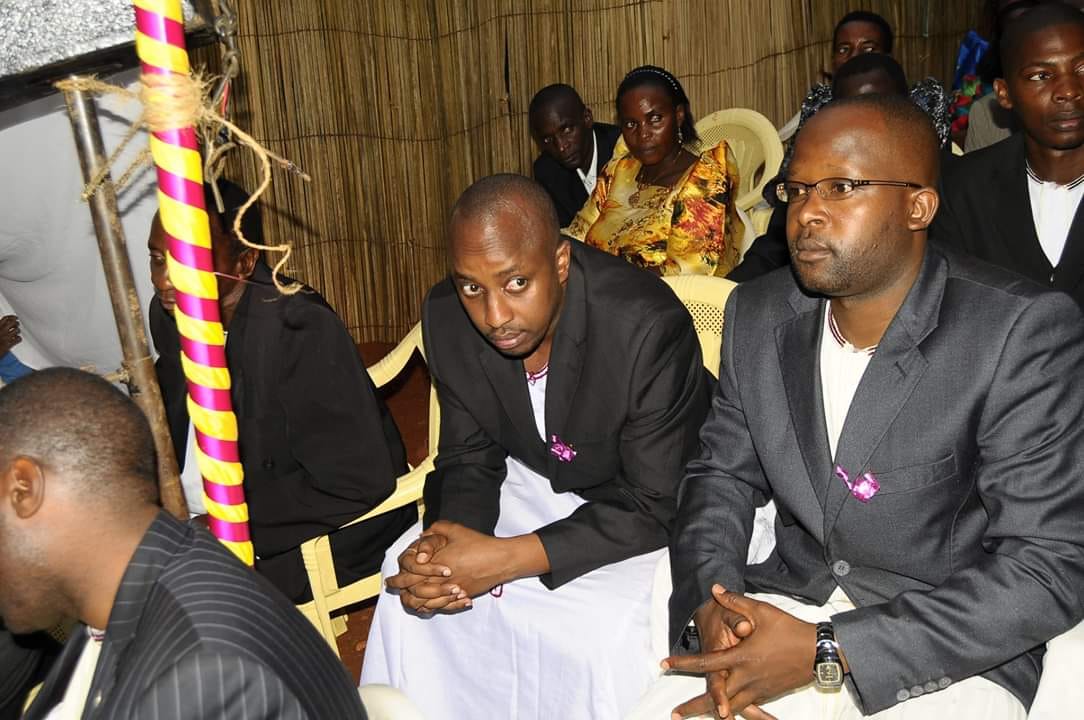
On Sunday, January 6, members of the Fourth Estate will bid farewell to Risdel in Kashari, Mbarara.
Like veteran journalist Michael Wakabi put it, they will lay to rest a man who "had immense respect for people and had a presence without being loud."
From General James Kazini to Jeje Odongo and Aronda Nyakairima to Katumba Wamala all the way to Elly Tumwine and Salim Saleh, Risdel worked with them all.
But he never showed any aids or even get waxed into the camaraderie of knowing so-and-so.
From his 1860 poem So Long, Walt Whitman might as well have written of Risdel’s death: journalism is disembodied, but his legacy is a triumph for the Fourth Estate.
Indeed, so long, Risdel!
