

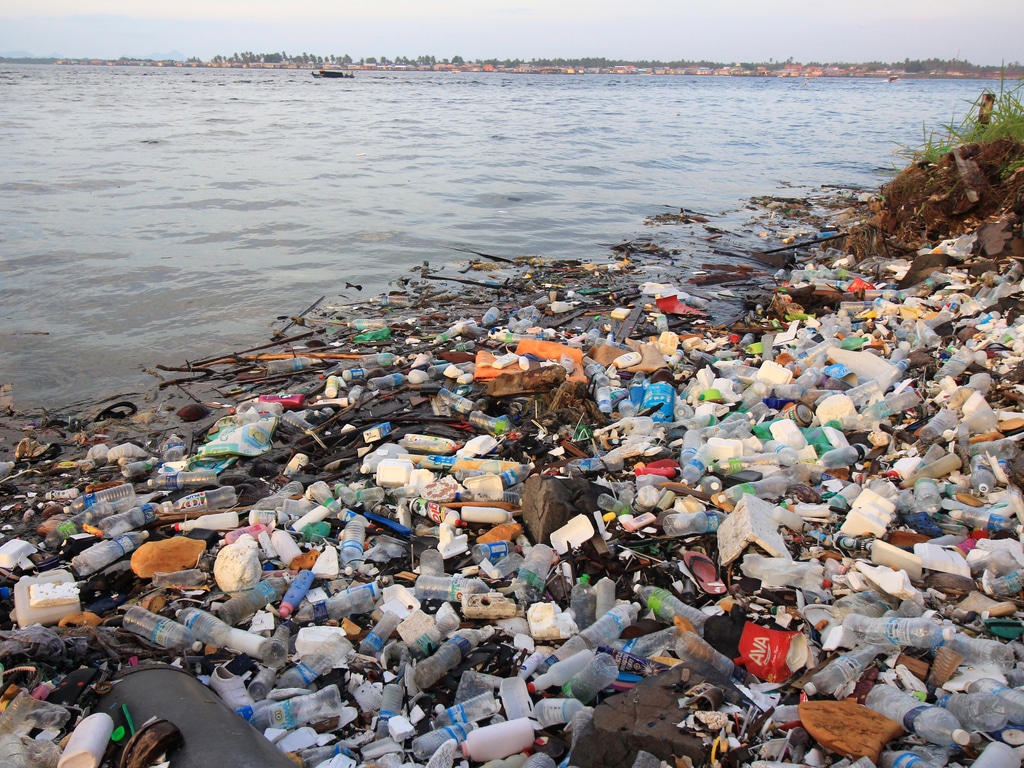
Environmental experts and private sector leaders have urged the government to reform Uganda’s waste management systems amid rising pollution, unsafe disposal practices, and growing public health threats linked to poor waste governance.
The call was made during the Uganda Environment Forum 2025 held at Next Media Park under the theme, “Sustainable Waste Management in Uganda Cities: Policy, Practice and Partnership.” Speakers emphasized the need to treat waste as a resource with economic potential rather than a burden to be discarded.
Next Media Group Chief Executive Officer Kin Kariisa said Uganda’s mindset toward waste must change if the country is to harness its value.
“In Uganda, we pay people to take our garbage. Elsewhere, they are fighting for it because it creates jobs and income,” Kariisa said, pointing to Ghana as an example where communities profit from recycling plastics and organic waste.
He warned that electronic waste poses one of the most serious emerging threats to public health, citing improper disposal of millions of phones and electronic devices linked to diseases such as cancer.
“We have one Uganda and no plan B. Let’s manage it well to ensure future generations inherit a cleaner and safer country,” he said.
Kariisa added that Next Media will expand nationwide campaigns on waste segregation in partnership with the National Environment Management Authority (NEMA), Kampala Capital City Authority (KCCA), and the Uganda Communications Commission (UCC) to improve recycling efficiency and public awareness.
The Petroleum Authority of Uganda (PAU) also highlighted its environmental safeguards within the oil and gas sector.
“We are implementing strict waste management practices that ensure drilling waste is reduced, reused, and recycled wherever possible,” said Jane Mbabazi Byaruhanga, PAU’s Manager for Environment and Social Affairs.
She explained that compliance monitoring teams are deployed around the clock to oversee activities at all key oil sites and that PAU is investing in capacity building for contractors and local officials to enhance environmental oversight.
Experts at the forum further identified global carbon markets as a potential avenue for financing waste reform. Anete Garoza, Founder of 1MTN, said Uganda could generate revenue through landfill gas capture projects that produce tradable carbon credits.
“There is already carbon credit trading happening successfully in South Africa, and Uganda can tap into similar opportunities,” she said.
Garoza added that Article 6 of the Paris Agreement offers mechanisms for such initiatives, creating both economic and environmental benefits by reducing methane emissions while fostering innovation.
NEMA Senior Manager for Environment Enforcement and Field Operations Victor Nahabwe said the country must abandon traditional landfill dependence.
“Landfilling is no longer fashionable—it is a traditional method that is not sustainable. Uganda needs to move towards systems that promote reduction, reuse, and value creation from what many still consider waste,” he said.
Nahabwe emphasized that effective reform requires collaboration between government and private actors. “You cannot achieve proper waste management without the private sector involved,” he added.
Zero Waste Africa Chief Executive Officer Idro Taban Jr. announced a five-year campaign to drive behavioural change and stakeholder partnerships for sustainable waste management under the Taasa Obutonde campaign spearheaded by NBS TV.
The Uganda Environment Forum 2025 brought together stakeholders including the Uganda National Oil Company (UNOC), Pepsi, and Evidence & Method Lab, all committed to advancing the country’s transition to circular and sustainable waste solutions.
