

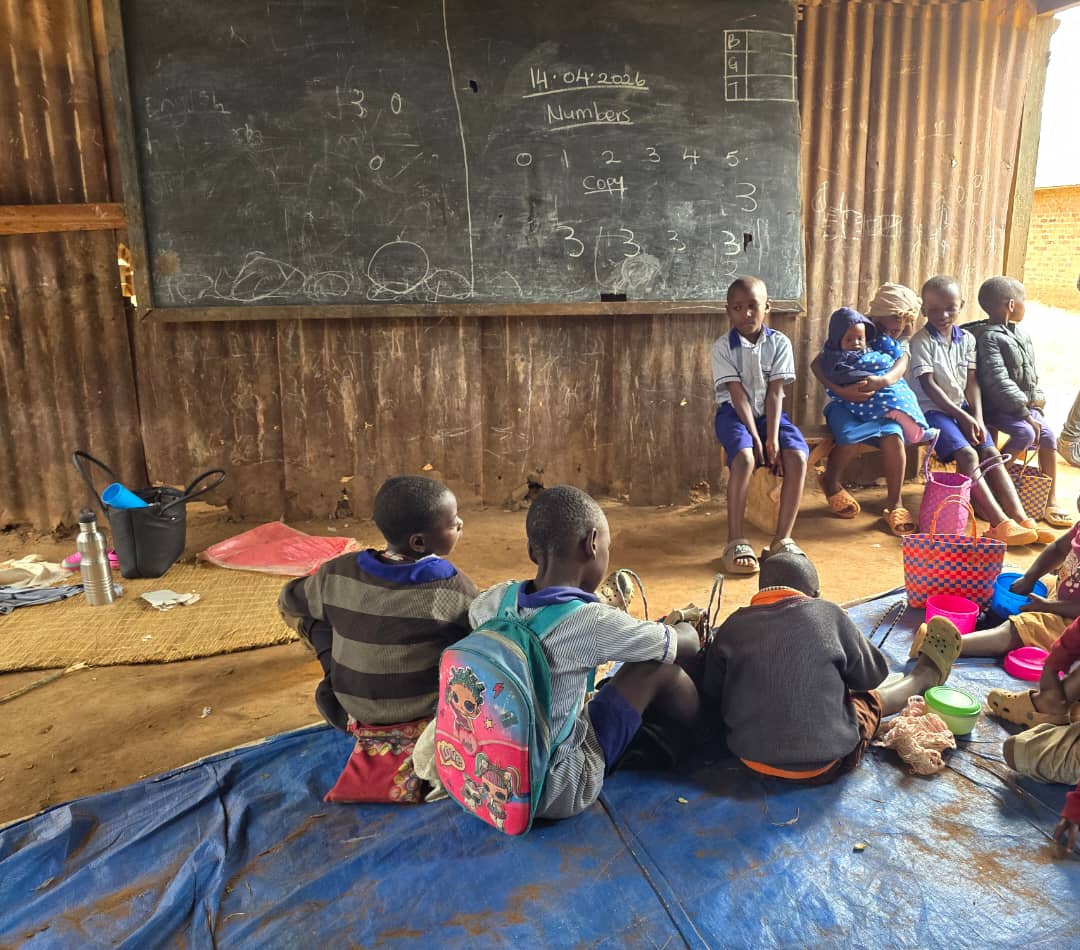
Kacerere Primary School in Rubaare Sub-county, Rushenyi County, Ntungamo District is struggling with deteriorating infrastructure and limited learning resources, raising growing concern among education stakeholders and parents.
A visit to the school revealed pupils engaged in sanitation activities around classrooms that are largely temporary in nature.
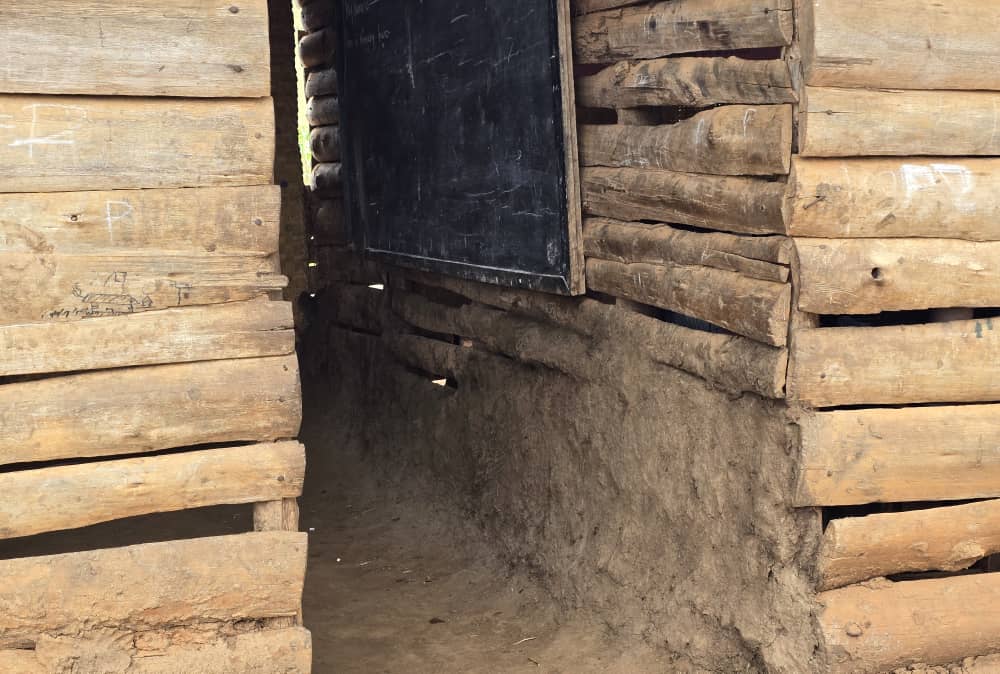
Several of the structures are made of wood, with papyrus mats used as walls, while floors are smeared with a mixture of mud and cow dung. Maintenance work is often carried out by the learners themselves.
“We are still using wooden and temporary classrooms. During the rainy season, pupils in these classes get extremely cold to the extent that they cannot even hold a pencil,” said the head teacher, Lovence Bashekana.
The most affected learners are in Primary Two, Primary Four, and the entire nursery section, who study in these fragile structures.
Other classes operate in slightly improved brick buildings, though the overall learning environment remains unconducive for effective instruction.
The situation is worsened by a severe shortage of furniture. In some classrooms, pupils sit directly on worn-out tarpaulins due to lack of desks.
“We lack furniture. Some learners sit on tarpaulins. We appeal to the government to intervene and support us with desks and better facilities,” Bashekana added.
Despite an enrollment of 243 pupils in the primary section and 108 in the nursery wing, the school lacks basic amenities, including electricity, further hindering learning and administrative work.
“The school and pupils do not find it easy to pursue education because there is no electricity. It is a major challenge,” said Ambrose Kyenjoga, a development activist in Rushenyi.
Kyenjoga noted that extending electricity to the school is beyond the financial capacity of the administration, calling for urgent government intervention.
“It is hard for the school administration to extend electricity to the school because it is expensive. These are some of the issues that the government needs to look into,” he said.
In addition to infrastructure challenges, the school also lacks staff accommodation, forcing teachers to travel long distances to and from work—something the administration says is affecting both performance and morale.
“The teachers travel long distances. They are not supported and not motivated to do their work very well,” Bashekana noted.
Now commonly referred to as Kacerere Community School, the institution continues to serve hundreds of learners despite the harsh conditions. Having begun as a community school in the early 1970s before attaining government-aided status, school authorities and local leaders are calling for urgent government action.
They are urging authorities to prioritise the construction of permanent classrooms, provision of furniture, rural electrification, and staff housing in order to create a more conducive learning environment.
