

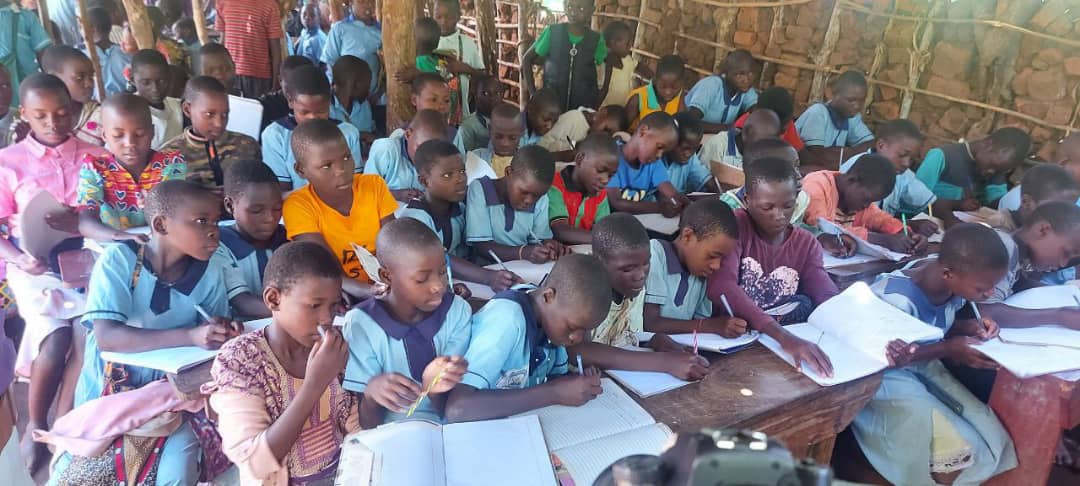
As concerns over the quality of education in Universal Primary Education (UPE) schools continue to escalate, legislators and educationists are urging the government to take immediate action to address the inadequacy of the capitation grant provided to these institutions.
Currently set at shs20,000 per pupil per year, stakeholders argue that this amount is woefully insufficient to meet the needs of the education system, particularly in the face of soaring inflation rates.
"The shs20,000 given per pupil a year is a negligible amount given the current rate of inflation in the country," highlighted Uganda National Teachers’ Union General Secretary, Filbert Baguma.
He emphasized the dire need for the government to at least double the capitation grant or raise it to shs100,000 annually to improve the quality of education in UPE schools.
Busia Municipality legislator, Geoffrey Macho, echoed Baguma's sentiments, emphasizing the urgency of the situation.
"It's high time the government gets serious and doubles the amount or even raises it to 100,000 shillings per child per year if the quality of education is to matter," Macho stressed.
The disparity between public and private schools under the UPE program has become increasingly apparent, with private institutions consistently outperforming their public counterparts.
Among the contributing factors, the insufficient capitation grant from the government has been cited as a significant hindrance to the quality of education in UPE schools.
Baguma further elucidated the challenges faced by schools in utilizing the meager capitation grant, highlighting the need to cater for essential expenses such as support staff and infrastructure maintenance.
"When the money is broken down, it means every child will be allocated 80 shillings, which is negligible," Baguma explained.
The state of government-aided schools across Uganda paints a worrying picture, with many institutions in rural areas lacking basic infrastructure like classroom buildings.
This raises concerns about the government's commitment to improving education quality, especially in underserved regions.
The pressure mounts on the government to prioritize the enhancement of the capitation grant to ensure that all children have access to quality education, regardless of their socio-economic background or geographic location.
