

Stakeholders have urged the government to remove policy and investment barriers hindering the growth of electric mobility, warning that Uganda risks slowing its transition to cleaner transport unless infrastructure, financing, and regulatory gaps are addressed.
The concerns were raised during the Dialogue on an All-Inclusive Mobility Transition in Uganda’s Boda Boda Sector held at Fairway Hotel in Kampala on May 29, where government officials, development partners, transport operators, innovators, and environmental advocates examined the future of electric transport in Uganda.
Participants called for urgent government action to integrate boda bodas into national e-mobility plans, improve road infrastructure, review taxation policies, and strengthen partnerships aimed at accelerating the adoption of electric motorcycles.
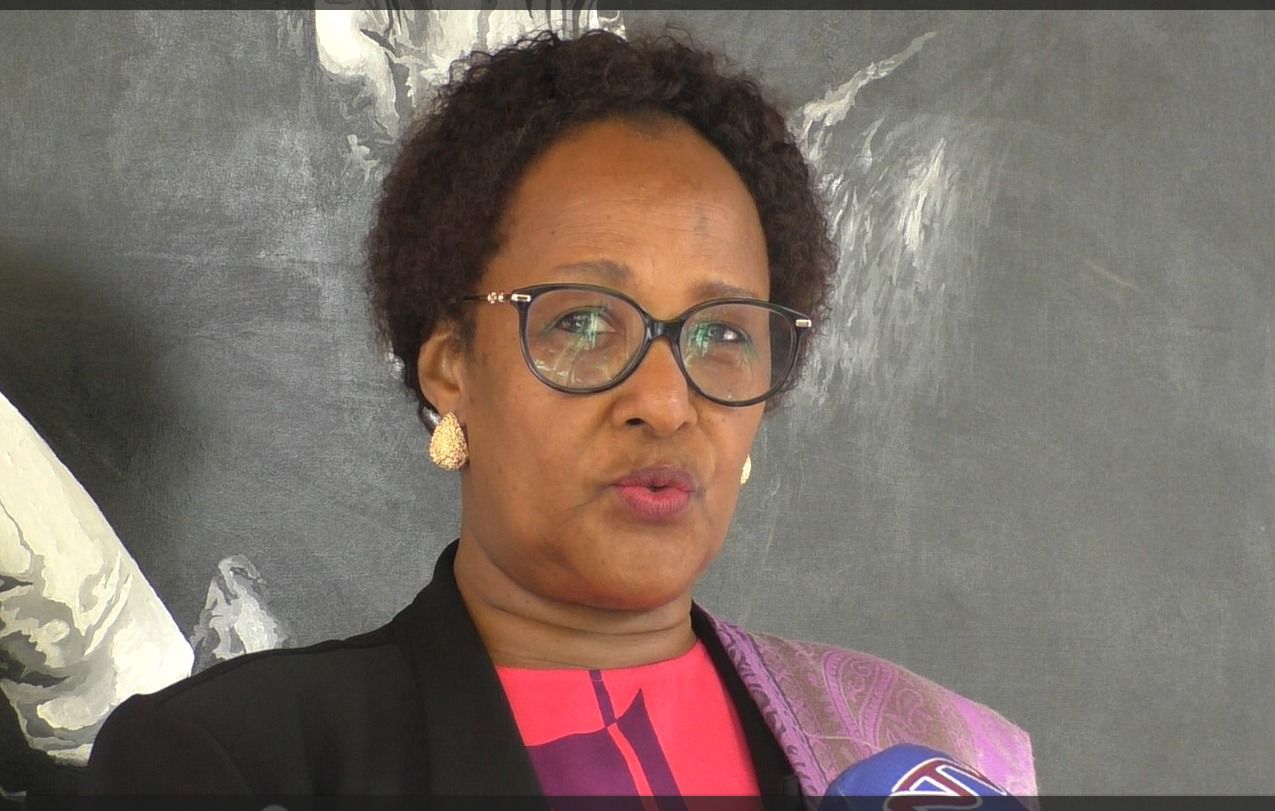
Speaking at the dialogue, Margaret Oteskov, Ambassador of the Nordic and Baltic Countries and Head of Mission based in Copenhagen, said Uganda’s transition to electric mobility presents an opportunity to simultaneously tackle climate change, improve livelihoods, and create jobs for young people.
“The boda boda sector remains one of the most important pillars of urban transport and employment in Uganda. Transitioning this sector toward electric mobility offers significant environmental, economic, and social benefits,” Oteskov said.
She noted that Uganda possesses several advantages that could position it as a regional leader in sustainable transport, including a growing innovation ecosystem, abundant renewable energy resources, and increasing demand for affordable mobility solutions.
However, she stressed that realizing this potential would require deliberate investments in infrastructure and supportive government policies.
Oteskov called on planners and city authorities to ensure boda bodas are incorporated into national transport and e-mobility strategies through safer roads, dedicated motorcycle lanes, improved traffic management systems, and urban planning frameworks that support the formalization of the industry.
“The boda boda sector remains one of the most important pillars of urban transport and employment in Uganda,” she said, adding that investments in infrastructure would improve safety, efficiency, and long-term sustainability.
The dialogue also highlighted the need for stronger international cooperation and technical support to help Uganda build a robust e-mobility ecosystem.
Oteskov urged development partners to invest in technical training, skills development, institutional partnerships, and knowledge transfer programmes for riders, mechanics, and operators.
She further called for increased support to local innovators such as Kira Motors Corporation to expand electric bus production and strengthen public transport systems in Kampala and other urban centres.
Stakeholders also pressed government ministries and agencies to review taxation policies affecting electric mobility investments, simplify investment procedures, support local assembly, and consider tax incentives for key e-mobility components.
They argued that reducing investment costs would encourage private sector participation and accelerate the uptake of electric motorcycles across the country.
Environmental sustainability emerged as another major concern, with participants warning that the growth of electric mobility must be accompanied by effective battery disposal and recycling systems.
Oteskov called for collaboration between government agencies, industry players, environmental regulators, and development partners to establish battery recycling infrastructure and promote responsible battery lifecycle
Stakeholders committed to pursue stronger public-private partnerships, long-term investments, and innovation-driven solutions to build a cleaner and more inclusive transport system.
Participants said Uganda could emerge as a continental leader in sustainable urban mobility if government prioritizes supportive regulations, modern infrastructure, and investment incentives for the rapidly growing e-mobility sector.
