

Uganda’s economy is posting strong headline numbers—steady growth, low inflation, and a firm currency—but economist Fred Muhumuza is warning that the country cannot afford to become complacent.
Recent data points to a picture of macroeconomic stability. Growth is projected at 7 percent by June 2026, with an even stronger 8.5 percent expansion recorded in the second quarter, pushing the size of the economy to an estimated $68.4 billion, or about $194.2 billion in purchasing power terms.
Inflation remains firmly under control at 2.8 percent as of March, ranking among the lowest in Africa over the past decade.
At the same time, the Ugandan shilling has appreciated by 3.5 percent, positioning it among the more stable currencies on the continent.
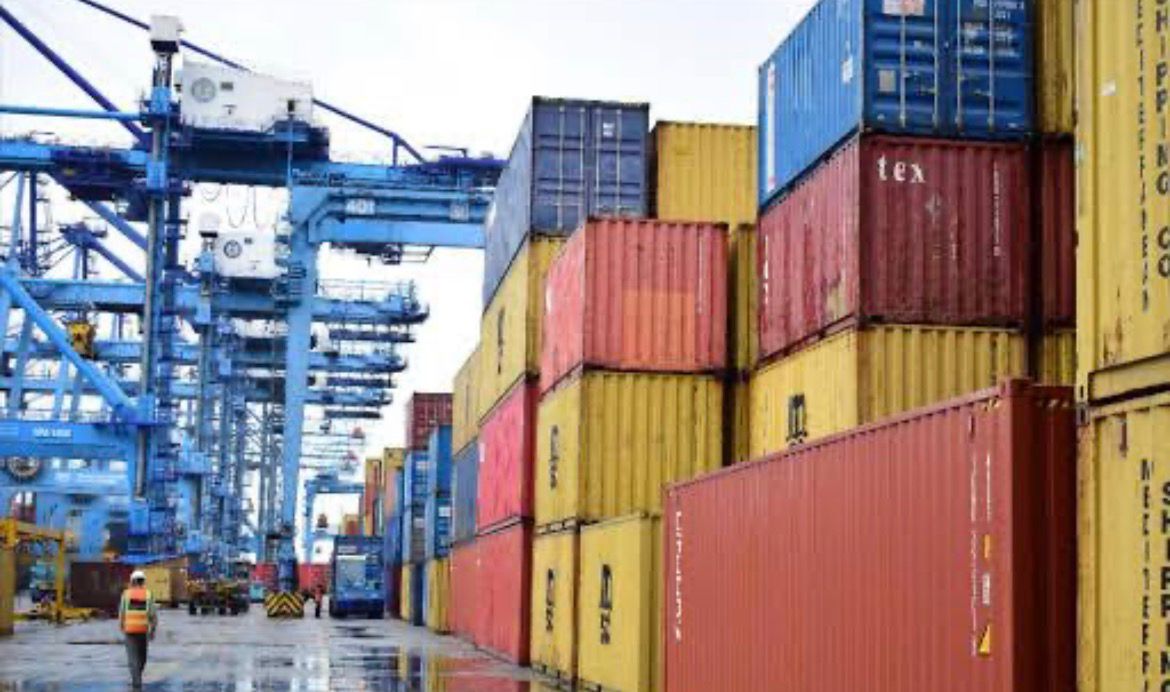
External sector performance has also improved. Exports have risen to $16.25 billion, while the country has posted a balance of payments surplus of $2.376 billion.
Capital inflows remain strong, with foreign direct investment reaching $3.7 billion in 2025. Tourism earnings have climbed to $1.86 billion, alongside remittances of $1.6 billion.
On paper, the outlook appears solid.
But Muhumuza says the headline figures mask deeper structural concerns.
He notes that while a stronger shilling reflects investor confidence and macroeconomic stability, excessive appreciation could undermine export competitiveness by making Ugandan goods more expensive on the global market while favouring imports.
“The macro numbers are fine,” he says, “but Uganda needs to push toward double-digit growth.”
According to Muhumuza, the real test is not stability, but transformation. Growth rates of 7 to 8 percent, while respectable, may not be sufficient to significantly raise incomes, absorb Uganda’s fast-growing population, or drive industrialisation at the required pace.
He argues that sustained double-digit growth is necessary to unlock meaningful economic change, expand job creation, and move the country up the value chain.
The warning comes at a time when Uganda is positioning itself for long-term expansion, with policymakers emphasising industrial growth, export diversification, and increased investment.
However, Muhumuza’s assessment suggests that maintaining stability alone will not be enough. Without a faster growth trajectory, the country risks falling short of its broader development ambitions.
